
Canada’s new food guide represents a significant shift in how nutrition is communicated to Canadians, emphasizing whole foods, plant-based eating, and balanced dietary habits.
The guide has come a long way since the old rainbow charts and “four food groups” from your school days. The modern Canada Food Guide, updated in 2019, takes a simpler, more inclusive approach to healthy eating — focusing on balance, variety, and mindful habits rather than strict rules.
But like any general guideline, it doesn’t always reflect every individual’s unique needs, cultural preferences, or health goals. So let’s explore how to use the Canada Food Guide effectively — and what else you should keep in mind when building a truly nourishing diet.
The Basics: What the Canada Food Guide Recommends
The current version of the Canada Food Guide is refreshingly simple. Instead of telling you how many servings to eat from each food group, it encourages you to focus on proportions and patterns of eating that promote long-term health.
Here’s the foundation of the guide:
The “Healthy Plate” Model
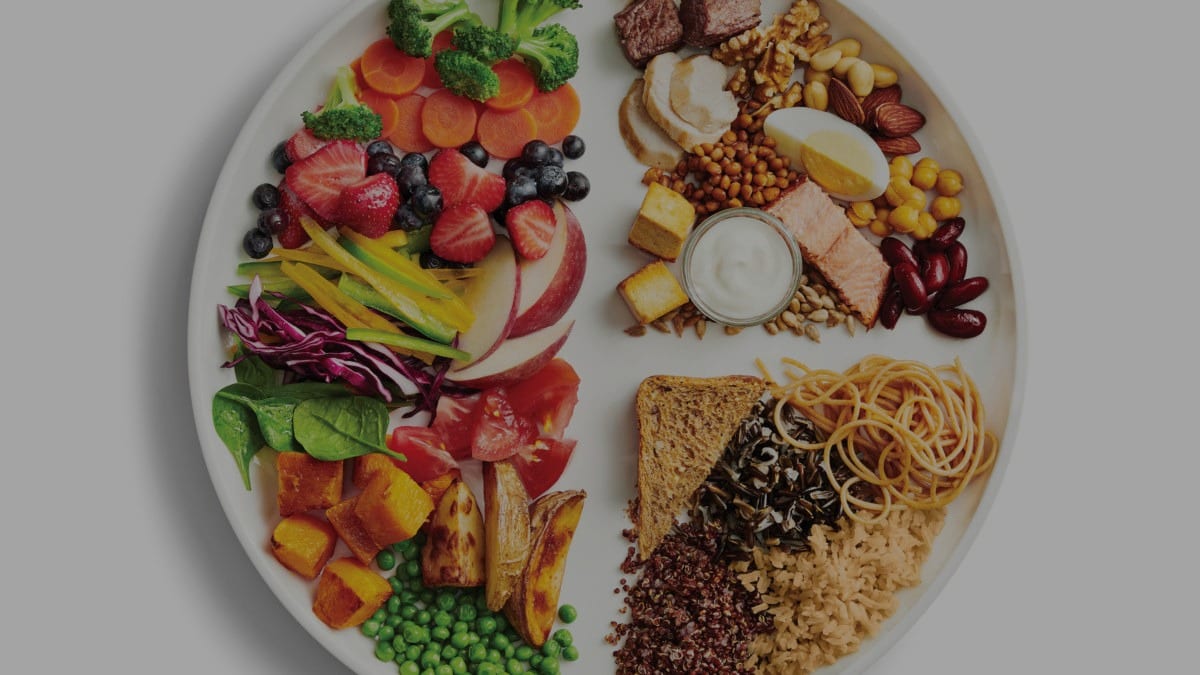
Imagine your plate divided into three sections:
- ½ Vegetables and Fruits – These should make up the bulk of your meals, providing fiber, vitamins, minerals, and antioxidants.
- ¼ Whole Grains – Think oats, brown rice, quinoa, or whole-grain bread and pasta for steady energy.
- ¼ Protein Foods – Include a mix of plant-based and animal sources like beans, tofu, fish, eggs, nuts, or lean meats.
Choose Water as Your Drink
The guide emphasizes water as the drink of choice, instead of sugary beverages or excess caffeine.
Make Meals Mindful
The updated guide also goes beyond nutrients, encouraging Canadians to:
- Cook more often
- Eat meals with others
- Enjoy food and pay attention to hunger cues
- Be aware of marketing influences
These lifestyle-focused recommendations mark a big shift from the calorie-counting approach of the past — and they align beautifully with YEG Thrive’s philosophy of real-life wellness.
Why It’s a Great Starting Point
The modern Canada Food Guide is one of the most practical, science-based public health tools out there. Here’s why it’s worth paying attention to — even if you already think you know how to eat well.
1. It’s Evidence-Based
The recommendations come from decades of research by Health Canada, drawing on nutrition science, population studies, and expert review. It’s not trendy or gimmicky — just solid, proven guidance.
2. It Promotes Flexibility
Unlike older versions, this one doesn’t tell you to count servings or restrict specific foods. Instead, it provides a visual guide that works for different cultures, diets, and budgets.
3. It Encourages Mindful Eating
By focusing on how you eat (not just what you eat), the guide encourages healthier relationships with food — something that’s especially important in today’s fast-paced, diet-driven culture.
4. It Highlights Plant-Based Protein
The guide promotes eating more plant-forward meals, a shift supported by research linking plant-based diets to reduced risk of heart disease and diabetes.
5. It’s Accessible to Everyone
You don’t need fancy ingredients or expensive superfoods to follow it. Whether you shop at a local market, grocery chain, or budget store, you can make it work.
What the Food Guide Doesn’t Cover
As helpful as it is, the Canada Food Guide isn’t meant to be a one-size-fits-all manual. Here’s what it might not tell you — and what to consider as you personalize your approach.
1. It Doesn’t Address Specific Health Conditions
The guide is designed for the general population.
If you have diabetes, celiac disease, PCOS, IBS, or other medical conditions, you’ll need tailored nutrition advice from a registered dietitian or healthcare provider.
YEG Thrive Tip: Think of the Food Guide as your foundation — not your treatment plan. Individual needs always come first.
2. It Doesn’t Reflect Every Cultural Diet
Canada is wonderfully diverse, and the guide tries to reflect that — but it can’t capture the full variety of global cuisines.
Many traditional diets — such as South Asian, Indigenous, African, or Mediterranean — have their own time-tested approaches to balance and health.
You can still apply the principles of the guide (more plants, lean proteins, mindful eating) while using foods that fit your culture and traditions.
For example:
- Lentil dal instead of beans
- Brown rice instead of quinoa
- Wild salmon or game meats instead of chicken
The key is to adapt, not replace.
3. It Doesn’t Emphasize Meal Timing or Portion Control
The Canada Food Guide is intentionally flexible, but that means it doesn’t say how much or how often to eat.
That’s where mindful eating and self-awareness come in. Pay attention to:
- Your energy levels throughout the day
- Signs of hunger and fullness
- How different foods make you feel
YEG Thrive Tip: If you’re active, teach fitness classes, or train regularly, your calorie and protein needs will be higher than what the general guidelines imply. Adjust portions to your lifestyle.
4. It Overlooks Some Emerging Nutrition Topics
While evidence-based, the guide doesn’t dive deep into areas like:
- Gut health and probiotics
- Omega-3s and brain function
- Sustainability and environmental impact
- Food intolerances or sensitivities
These topics are complex and evolving — and they’re important considerations for long-term wellness.
For example, cold Edmonton winters often mean fewer local produce options. Adding fermented foods, frozen vegetables, and vitamin D supplements can fill the gap.
5. It Doesn’t Address Food Access or Affordability
Let’s face it — eating healthy can be harder when fresh produce is expensive or unavailable, especially during Alberta’s winter months.
The guide assumes access to fresh foods, but many communities rely on food banks or convenience stores.
The best approach here is to do your best with what you have:
- Choose frozen or canned fruits and vegetables (they’re just as nutritious).
- Buy whole grains and beans in bulk.
- Look for local community programs that support affordable nutrition.
How to Make the Most of the Food Guide in Real Life
Here’s how you can take the guide from “government resource” to “everyday tool.”
- Use it to meal plan.
Build balanced plates for the week using the ½–¼–¼ principle. - Try one new plant-based meal each week.
Experiment with chickpea curries, lentil tacos, or tofu stir-fries. - Hydrate with purpose.
Choose water more often, but remember herbal teas count too. - Make meals social.
Share food with family, coworkers, or friends — eating together supports both health and connection. - Listen to your body.
The Food Guide provides structure, but your body provides feedback. Adjust as needed.
Balancing the Guide With Real Life
The beauty of the Canada Food Guide is its simplicity — but the real magic happens when you personalize it.
Ask yourself:
- What foods make me feel energized and satisfied?
- How does my culture influence what I eat?
- What does my budget and lifestyle allow right now?
Healthy eating isn’t about perfection — it’s about progress.
If your plate doesn’t look exactly like the Food Guide image every day, that’s okay. The goal is balance over time, not at every meal.
Final Thoughts
The Canada Food Guide is a great foundation for anyone wanting to eat better, reduce processed foods, and build mindful habits.
It’s simple, evidence-based, and flexible — but it’s also just a starting point.
To truly thrive, combine the guide’s principles with your personal needs, culture, budget, and lifestyle.
Use it as a compass, not a rulebook — one that points you toward a more balanced, realistic way of nourishing yourself year-round.
Because healthy eating isn’t about following a chart — it’s about understanding your body, your community, and your choices.