
Creating a nighttime routine for better sleep can make a bigger difference than you think. Instead of relying on willpower to fall asleep, simple rituals can help your body naturally wind down.
Most people don’t struggle with sleep because they can’t sleep. They struggle because they never really slow down enough to fall asleep well.
You go from:
- Screens
- Notifications
- Late-night scrolling
- Thinking about tomorrow
…straight into bed and expect your brain to just switch off.
It doesn’t work like that.
Sleep isn’t a switch. It’s a process. And that process starts before your head hits the pillow.
Why a Nighttime Routine Matters for Better Sleep
There’s a reason sleep experts talk about “wind-down routines.” Your brain responds to patterns and cues.
When you repeat the same calming behaviours at night, your body starts to recognize:
“Alright… we’re shutting things down.”
Research shows that consistent nighttime habits can:
- Improve sleep quality
- Reduce stress hormones like cortisol
- Help you fall asleep faster
- Improve overall mood and recovery
The key isn’t doing something complicated. It’s doing something consistent and intentional.
What Research Says About Sleep and Routine
Research in sleep science shows that consistent pre-sleep routines help regulate the body’s internal clock, also known as the circadian rhythm. Activities that reduce stimulation — such as dim lighting, reducing screen exposure, and slowing down physically and mentally — can improve sleep onset and overall sleep quality. Even small, consistent habits can help signal to the body that it’s time to rest.
Sleep research from organizations like the National Sleep Foundation highlights the importance of consistent routines in improving sleep quality.
5 Simple Nighttime Rituals to Help You Unwind
These aren’t “perfect routines.” They’re realistic options you can actually stick to.
Pick one. Try it this week. Build from there.
1. The 10–20 Minute Evening Walk
This one is wildly underrated.

A short walk after dinner or before bed does a few things at once:
- Helps digestion
- Lowers stress
- Gets you off your phone
- Signals the end of your day
And in Edmonton, this hits differently. Even a simple loop around your neighbourhood—Ritchie, Highlands, Oliver—feels like a reset after being inside all day. There’s something about cooler evening air that just slows everything down.
👉 Keep it simple:
No podcast. No music. Just walk.
2. The “Soft Shutdown” (Reduce Screen Stimulation)
This is the one people avoid… but it matters.

Your brain doesn’t know the difference between:
- Scrolling
- Working
- Watching
It all reads as stimulation. And that stimulation delays melatonin (your sleep hormone). You don’t need to go full “no phone.”
Just create a softer transition:
- Dim your lights
- Switch to lamp lighting
- Put your phone on night mode
- Stop doom-scrolling (you know when it starts)
👉 Think: less intensity, not perfection.
3. Dark Showering (The New Wind-Down Ritual)
One of the more interesting wellness trends right now is something called “dark showering.” And surprisingly… it makes a lot of sense.

Interest in the concept has surged recently, with thousands of people searching for ways to make their evening routines feel more calming and less overstimulating.
The idea is simple:
👉 Take your shower in low light (or no main light at all)
That might mean:
- Candlelight
- Dimmed bathroom lighting
- No overhead lights
It turns a basic routine into something that feels more like a reset.
Experts in the wellness space point out that this works for the same reason spas feel relaxing:
- Lower lighting reduces stimulation
- It creates a sense of calm and safety
- It shifts your focus from “task” to “experience”
“Dark showering is really part of a bigger movement towards beauty and wellness routines that feel calmer and more intentional. People are looking for ways to make everyday habits feel more soothing, and lowering the lights can instantly change the mood of something as simple as a shower.” – Danielle Louise, beauty expert
After a long day of screens, noise, and constant input, that softer environment helps your nervous system actually slow down. And the best part?
You don’t need to buy anything.
You don’t need to overhaul your routine.
You just change the environment.
4. The “Do Something Boring” Ritual (Reading, Journaling, Light Stretching)
This might sound counterintuitive, but one of the best ways to fall asleep is to… Get a little bored.

Not TikTok bored.
Not scrolling bored.
Actual, calm, low-stimulation boredom.
That’s where things like:
- Reading a physical book
- Light journaling
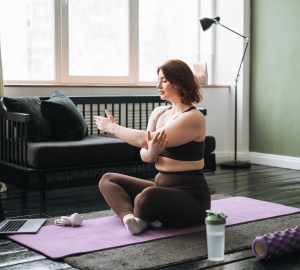
- Gentle stretching come in.
These activities:
- Reduce mental noise
- Lower stimulation
- Help your brain transition into rest mode
You’re not trying to be productive. You’re just giving your brain something quiet to focus on.
👉 Rule: if it feels like effort, it’s too much.
5. The “Same Thing Every Night” Routine
This is the simplest—and most effective—approach. Pick 2–3 small things and do them every night.
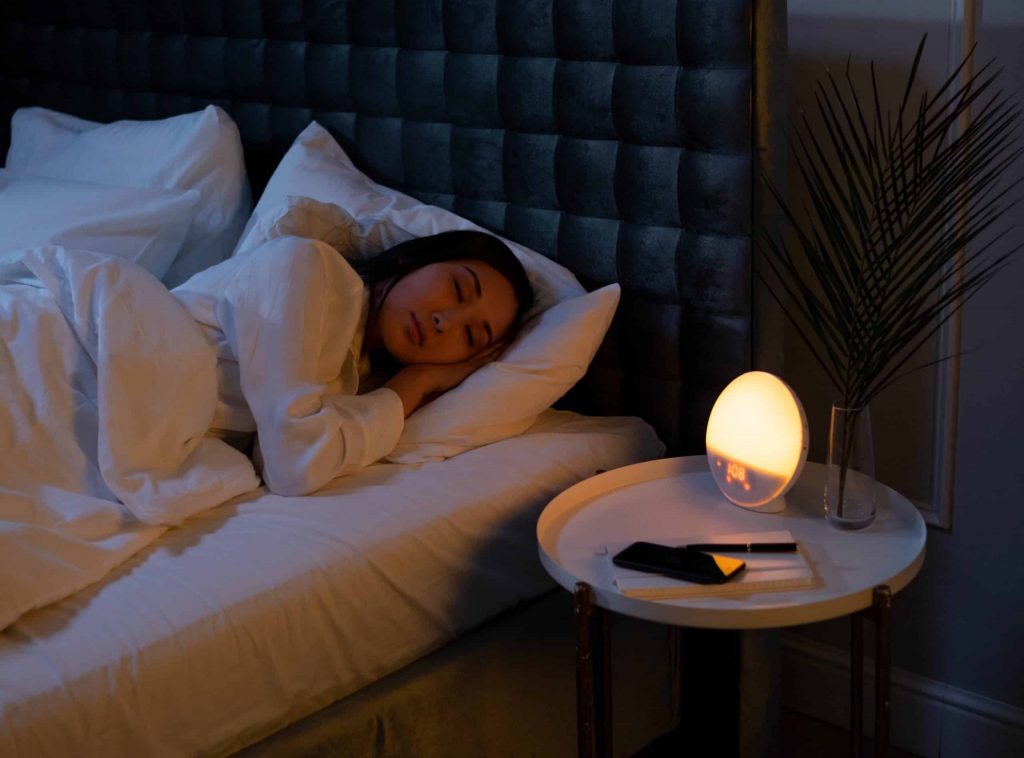
Example:
- Make tea
- Dim the lights
- Sit on the couch for 10 minutes
That’s it. No optimization. No stacking 12 habits. Just consistency.
Because over time, your brain starts to connect those actions with sleep. It becomes automatic.
How to Build a Routine That Works for You
Here’s where most routines fail: They’re too ambitious.
You don’t need a 90-minute wind-down routine. You need something you’ll actually do on a Tuesday night when you’re tired and slightly annoyed at everything.
So start here:
👉 Pick ONE ritual
👉 Do it 3–4 nights this week
👉 Keep it simple
That’s how habits stick.
FAQ: Nighttime Rituals for Better Sleep
What is the best nighttime routine for sleep?
The best routine is one you can stick to. Simple habits like dimming lights, reducing screen time, and creating a consistent wind-down pattern are most effective.
How long before bed should you start a nighttime routine?
Ideally 30–60 minutes before sleep to give your body time to transition.
Does showering at night help you sleep?
Yes, especially when done in a calming environment. Lower light and warm water can help signal relaxation.
Why is reducing light important at night?
Lower light helps your body produce melatonin, which is essential for sleep.
Final Thought
You don’t need a complete life overhaul to sleep better. You don’t need the perfect routine.
You just need a signal—something that tells your body:
“We’re done for today.”
And the more consistently you give that signal, the easier sleep becomes.