
The conversation around why Gen Z and Millennials aren’t drinking wine is becoming impossible for the industry to ignore.
For decades, wine followed a fairly predictable lifecycle. You drank beer or cocktails when you were young, “graduated” to wine as you got older, and eventually developed opinions about regions, producers, and vintages that made you sound impressively confident at dinner parties.
That lifecycle is breaking.
Gen Z and Millennials are not rejecting wine because they’re immature or uneducated. They’re rejecting it because the way wine has traditionally been framed doesn’t match how they live, spend, socialize, or think about alcohol.
This isn’t a crisis. It’s a feedback loop. And if the wine world listens carefully, it might come out stronger, more inclusive, and more relevant than ever.
Why Gen Z and Millennials Aren’t Drinking Wine
Across North America and Europe, multiple studies show:
- Gen Z drinks significantly less alcohol overall
- Millennials are drinking less wine than Gen X did at the same age
- Growth is happening in:
- Ready-to-drink beverages
- Low-alcohol and non-alcoholic options
- Craft beer, cocktails, and alternative drinks
Wine isn’t disappearing—but it’s losing its default position.
To understand why, you have to understand how younger generations relate to choice, identity, and consumption.
1. Wine Feels Like a Closed Club
From the outside, wine culture can feel:
- Jargon-heavy
- Rule-bound
- Historically elitist
For Gen Z and younger Millennials—who grew up Googling everything—wine often feels oddly inaccessible. Not because information isn’t available, but because the tone feels unwelcoming.
Many younger drinkers describe wine as:
“Something you’re supposed to already understand.”
Beer doesn’t ask you to know the hop schedule. Cocktails don’t quiz you on geography. Wine often does—at least implicitly.
When a category feels like it punishes curiosity, people simply choose something else.
2. Identity Matters More Than Tradition
Wine has long been tied to status:
- The right label
- The right region
- The right producer
But Gen Z and Millennials tend to define identity differently. They care less about signaling knowledge and more about signaling values.
They ask:
- Who made this?
- How was it produced?
- Is it ethical?
- Is it sustainable?
- Does it feel honest?
Wine that leans heavily on prestige without transparency struggles to connect. Wine that tells a clear, human story performs better—even if it’s unconventional.
This is why:
- Natural wine
- Low-intervention wine
- Smaller producers
- Sustainable farming
resonate so strongly with younger audiences.
3. Health, Mental Health, and Moderation Are Non-Negotiable
This is one of the biggest shifts.
Gen Z is the most health-aware and mental-health-literate generation to date. Millennials—now balancing careers, kids, and burnout—aren’t far behind.
Alcohol is no longer framed as:
“A reward for surviving the week.”
It’s increasingly framed as:
“A choice I want to feel good about tomorrow.”
Wine often struggles here because:
- It’s associated with higher alcohol
- Portions are ambiguous
- Messaging still leans toward indulgence
Younger drinkers aren’t anti-alcohol—but they are pro-intentionality.
This opens space for:
- Lower-alcohol wines
- Smaller pours
- Wine as part of food, not an event on its own
- Occasional drinking without pressure
Wine culture hasn’t fully caught up to this mindset yet.
4. Price Confusion Kills Confidence
Wine pricing feels arbitrary if you don’t know the backstory.
To a younger consumer:
- A $22 bottle and a $75 bottle often look identical
- The explanation for the price difference is rarely clear
- The risk of “wasting money” feels high
Cocktails, beer, and RTDs offer:
- Predictable flavour
- Predictable pricing
- Immediate gratification
Wine asks for trust—but hasn’t always earned it.
When younger drinkers say wine is “too expensive,” they often mean:
“I don’t understand why this costs what it costs.”
That’s not a rejection of quality. It’s a request for clarity.

5. Wine Marketing Is Stuck in the Past
Much of wine marketing still assumes:
- Aspirational luxury sells
- Expertise creates desire
- Tradition equals credibility
Gen Z and Millennials respond better to:
- Relatability
- Transparency
- Humor
- Imperfection
- Education without condescension
They don’t want to be told what’s “correct.”
They want to be invited to explore.
Wine doesn’t need to dumb itself down—but it does need to loosen up.
What Gen Z and Millennials Are Teaching the Wine World
1. Curiosity Beats Credentials
Younger drinkers are comfortable saying:
“I don’t know much about wine, but I like this.”
That mindset removes shame—and opens the door to genuine learning.
Wine doesn’t need more experts shouting from the mountaintop.
It needs more guides walking alongside people.
2. Sustainability Isn’t a Buzzword
For younger generations, sustainability is table stakes.
They notice:
- Farming practices
- Packaging choices
- Corporate ownership
- Authenticity vs greenwashing
Wine producers who farm responsibly and communicate honestly build loyalty quickly. Those who rely on vague claims don’t.
This is less about trends and more about trust.
3. Wine Needs to Fit Real Life
Younger drinkers don’t want wine to require:
- A special occasion
- A perfect pairing
- A formal setting
They want wine that works:
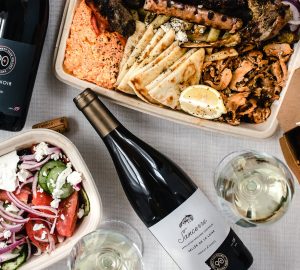
- With takeout
- On a weeknight
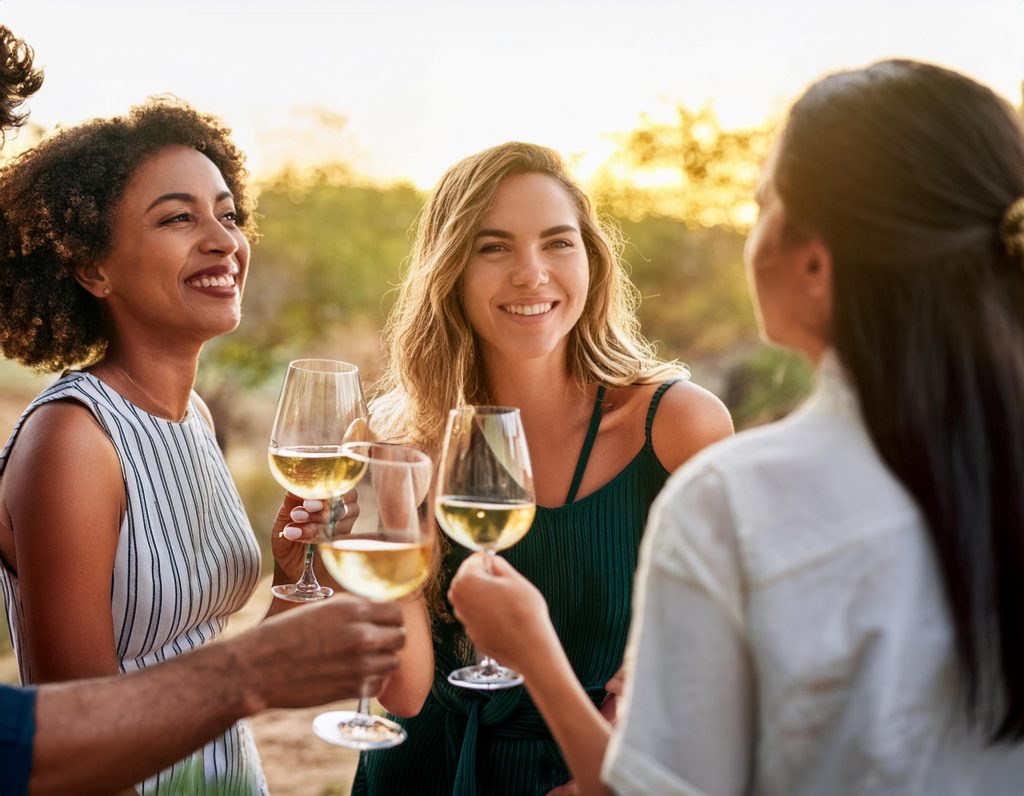
- In casual social settings
- Without ceremony
This doesn’t cheapen wine.
It liberates it.
How Generations Can Learn From Each Other
1. Wine Is a Cultural Connector
Older generations often understand wine as:
- A reflection of place
- A companion to food
- A shared experience
That perspective grounds wine beyond trends. It reminds us that wine isn’t content—it’s culture.
2. Patience Adds Depth
Wine teaches lessons that don’t show up immediately:
- Taste evolves
- Context matters
- Not everything is about instant payoff
That slower relationship with wine offers something valuable in a world optimized for speed.
3. You Don’t Need to Know Everything to Enjoy It
Ironically, many experienced wine drinkers are the most relaxed. They’ve learned:
- Scores are optional
- Price isn’t destiny
- Personal taste wins
That confidence—quiet, unperformative—is something younger drinkers can grow into naturally when the pressure is removed.

How Wine Can Bridge the Generational Gap
Wine doesn’t need to pick a side. It needs to evolve.
That evolution looks like:
- Clearer language
- Honest pricing stories
- More casual education
- Less gatekeeping
- Better representation of different voices
When wine becomes about connection instead of correctness, it becomes relevant again.
What the Data and Market Trends Show
The question of why Gen Z and Millennials aren’t drinking wine isn’t just anecdotal — it’s reflected in market data. Across North America and parts of Europe, overall wine consumption has declined in recent years, particularly among younger consumers. At the same time, growth has surged in ready-to-drink cocktails, craft beer, hard seltzers, and no- or low-alcohol beverages.
Industry reports consistently point to a generational shift in priorities. Younger consumers are more likely to prioritize wellness, moderation, transparency, and sustainability. They are also more experience-driven, often spending money on travel, dining, and curated events rather than traditional luxury goods.
This doesn’t necessarily mean younger generations dislike wine. Instead, the data suggests that the wine industry is facing a branding and accessibility challenge. Products that feel inclusive, educational, and aligned with modern values tend to resonate more strongly than those positioned around prestige or tradition alone.
The YEG Thrive Take
Gen Z and Millennials aren’t turning away from wine because they don’t appreciate it. They’re turning away because they expect more honesty, more intention, and more humanity from the things they consume.
And that’s not a threat—it’s a gift.
If Gen X brings perspective and tradition, and younger generations bring curiosity and values, wine doesn’t fade into irrelevance. It becomes more thoughtful, more inclusive, and more enjoyable for everyone.
Wine doesn’t need to shout to be heard anymore.
It just needs to listen.
That’s how it stays on the table.
Where Generations Can Meet in the Middle: Learning Wine Together at Fine Vintage
One of the most interesting opportunities in wine right now isn’t about changing what’s in the bottle—it’s about changing how we learn about it together.
That’s where Fine Vintage fits in beautifully.
Fine Vintage offers wine courses and tastings that are intentionally designed to be approachable, inclusive, and curiosity-driven. These aren’t classes meant to turn wine into an exclusive club or to test how much you already know. They’re built to help people of any generation understand wine in a relaxed, welcoming way—whether you’re brand new, wine-curious, or simply looking to make better sense of what you enjoy drinking.
For Gen Z and Millennials, these courses offer:
- Clear, jargon-free explanations
- A safe space to ask questions without feeling judged
- Context around sustainability, production, and flavour
- Confidence without pressure
For Gen X and older generations, they provide:
- A chance to revisit wine with fresh perspective
- Updated context around modern styles and values
- Structured learning that connects experience with understanding
- A social, shared way to explore wine beyond the label
What makes Fine Vintage especially relevant right now is that their approach treats wine as a shared language, not a hierarchy. The goal isn’t to memorize regions or impress anyone—it’s to understand why wines taste the way they do, how different styles come to be, and how to trust your own palate.
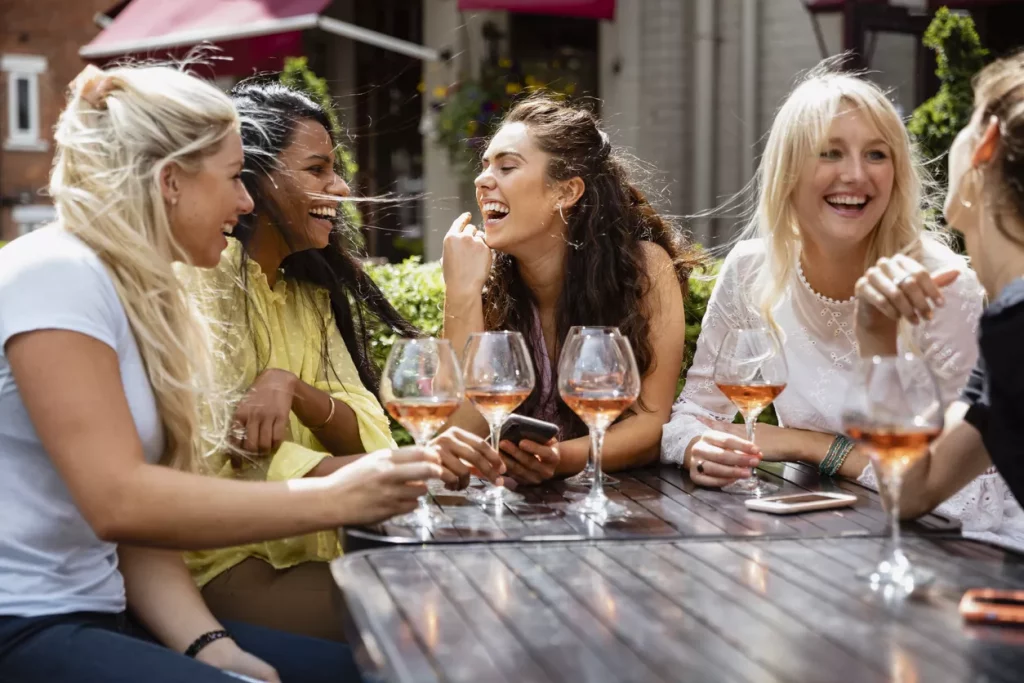
In a time when wine culture risks splintering across generations, education like this becomes a bridge. Sitting around a table, tasting together, asking questions, laughing about what you like (and don’t like) — that’s where wine stops being intimidating and starts being connective again.
And honestly? That’s when wine works best.
Frequently Asked Questions About Gen Z, Millennials, and Wine
Younger generations tend to prioritize wellness, moderation, and alternative beverage options, leading to lower traditional wine consumption.
Yes, but they often prefer experiences, natural wines, sustainable producers, and education over traditional prestige branding.
The industry is shifting rather than disappearing. Consumer preferences are evolving toward transparency, sustainability, and lower-alcohol options.
Simplify messaging, reduce intimidation, embrace sustainability, and focus on education and experience rather than exclusivity.