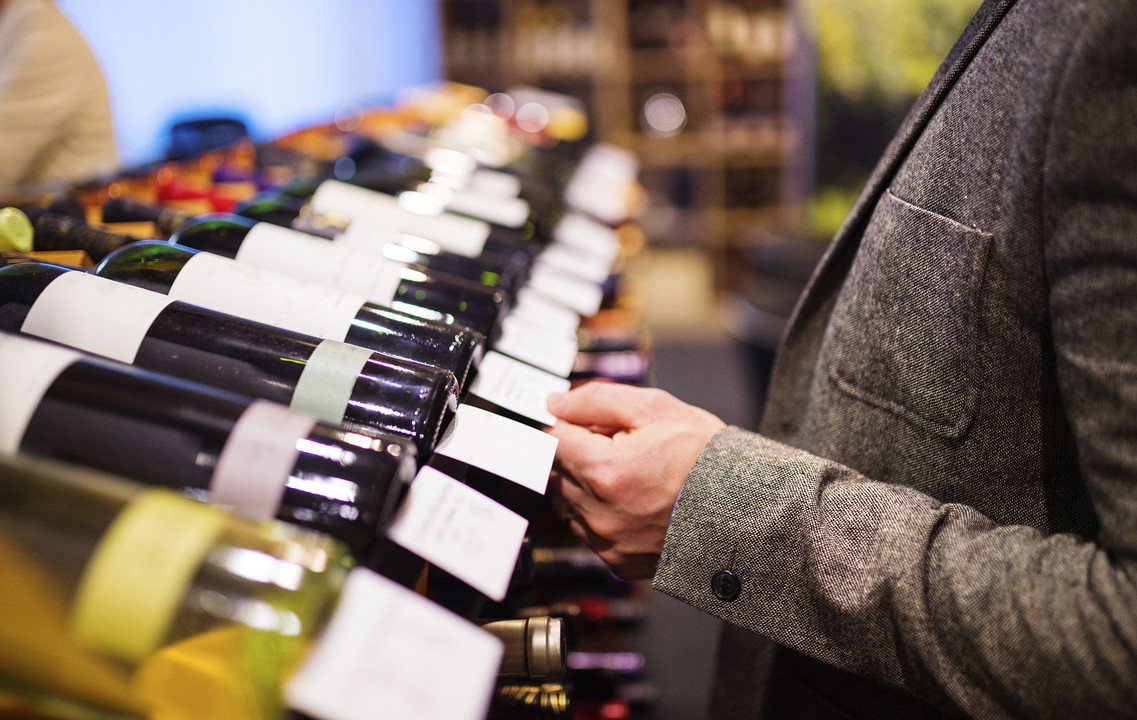

If you’ve ever stood in a liquor store wondering why one bottle of wine costs $18 and another costs $85—despite looking suspiciously similar—you’re not alone. Wine pricing can feel confusing, inconsistent, and sometimes downright intimidating. Is the expensive bottle actually better? Are you paying for quality… or just a good story? Understanding why wine is so expensive helps you avoid overpaying for hype and confidently choose bottles that offer real value.
The truth is that the cost of producing wine varies dramatically, and price is influenced by far more than what ends up in your glass. Understanding what drives wine prices can help you spend smarter, avoid overpaying for hype, and confidently find bottles that deliver excellent value.
This guide breaks down what goes into the cost of wine, why some bottles are expensive, when higher prices are worth it, and how to spot great value wines—especially if you want quality without blowing your budget.
What Goes Into the Cost of Producing Wine
1. Vineyard Land and Location
Where grapes are grown plays a huge role in price.
Vineyard land in famous regions like Burgundy or Napa Valley can cost millions per hectare. Those land costs don’t disappear—they’re built directly into the bottle price.
Less famous regions often have similar climates and soils but far lower land costs, allowing producers to make excellent wine at a fraction of the price.
You’re often paying for the reputation of a place, not just quality.
2. Farming Practices
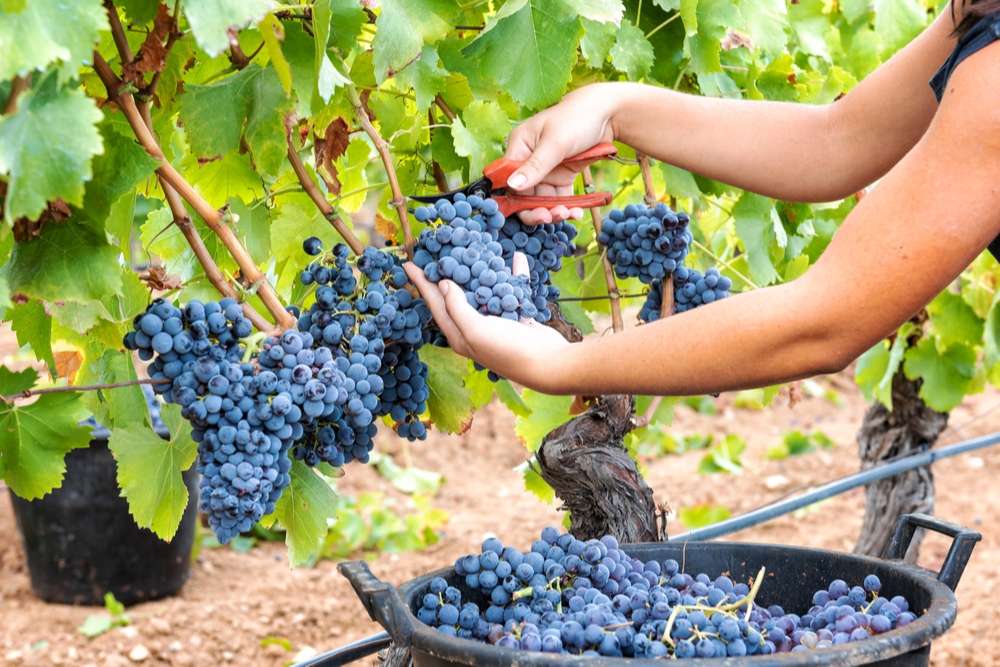
How grapes are grown matters—for flavour and cost.
Higher-priced wines often involve:
- Lower yields (fewer grapes, more concentration)
- Hand harvesting
- Sustainable or organic farming
- More manual vineyard labour
Lower-priced wines tend to rely on:
- High yields
- Mechanical harvesting
- Speed and efficiency
Neither approach is inherently bad, but careful farming costs more and usually results in more expressive wines.
3. Winemaking Choices
Winemaking decisions quietly add to cost:
- Small-batch production
- Extended ageing
- Skilled labour and blending time
- Slower release schedules
Wine that spends years in a cellar before release ties up money and space, increasing the final price. Faster, early-release wines reach shelves sooner and cost less to make.
4. Oak Barrels
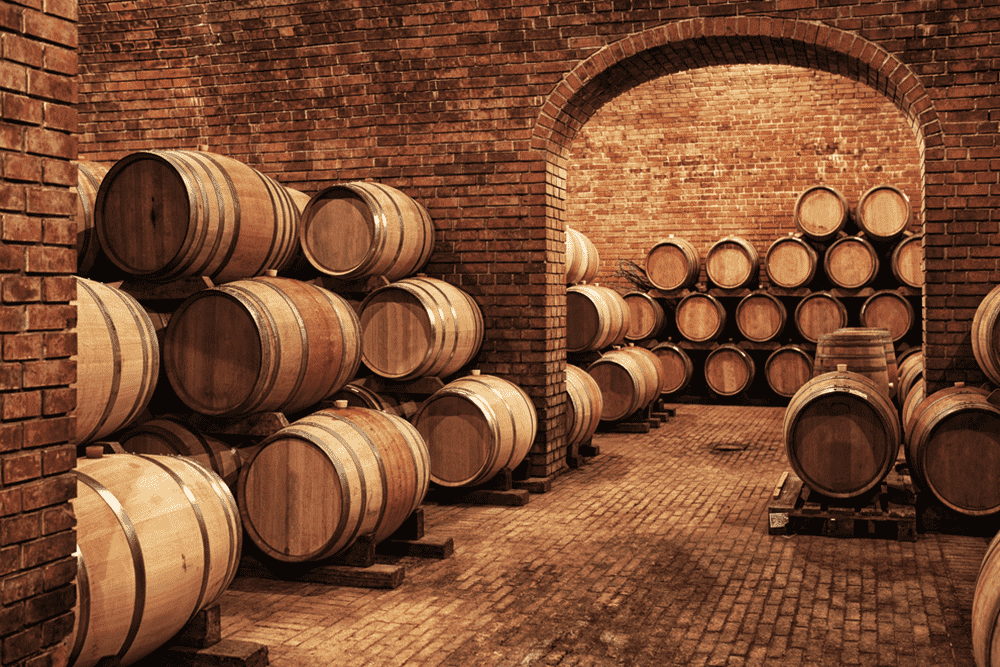
Oak is expensive—especially new French oak.
A single new barrel can cost $1,000–$1,500, and barrels are only reused for a limited number of vintages. Wines aged in new oak almost always cost more, whether or not that oak improves your enjoyment.
5. Ageing, Storage, and Risk
Time equals money in wine.
If a producer holds wine for 5–10 years before selling it, they absorb:
- Storage costs
- Lost cash flow
- Vintage risk
That patience often leads to complexity—but it also raises prices.
6. Marketing, Packaging, and Brand Power
This part rarely improves flavour but strongly affects price.
- Heavy bottles
- Luxury labels
- Big-name critics
- High scores
- Global branding
You’re sometimes paying for recognition and confidence, not necessarily a better wine.
Is Expensive Wine Really Worth It?
Sometimes—but not always.
Higher prices can reflect:
- Better farming
- Lower yields
- Longer ageing
- Greater complexity
But price does not guarantee enjoyment. Taste is personal, and context matters. A well-made $25 bottle shared with friends often outperforms a $100 bottle opened at the wrong moment.
Wine Regions That Offer Excellent Value
If you’re looking for quality without prestige pricing, focus on regions that fly under the radar or sit next to famous neighbours.
High-Value Regions to Look For
- Portugal – Outstanding quality across reds, whites, and fortified wines
- Spain – Rioja (Crianza), Ribera del Duero, Galicia
- Southern France – Languedoc, Roussillon
- Chile – Consistent quality and strong value
- Austria – Excellent whites with precision and balance
- Germany – Riesling and increasingly impressive Chardonnay
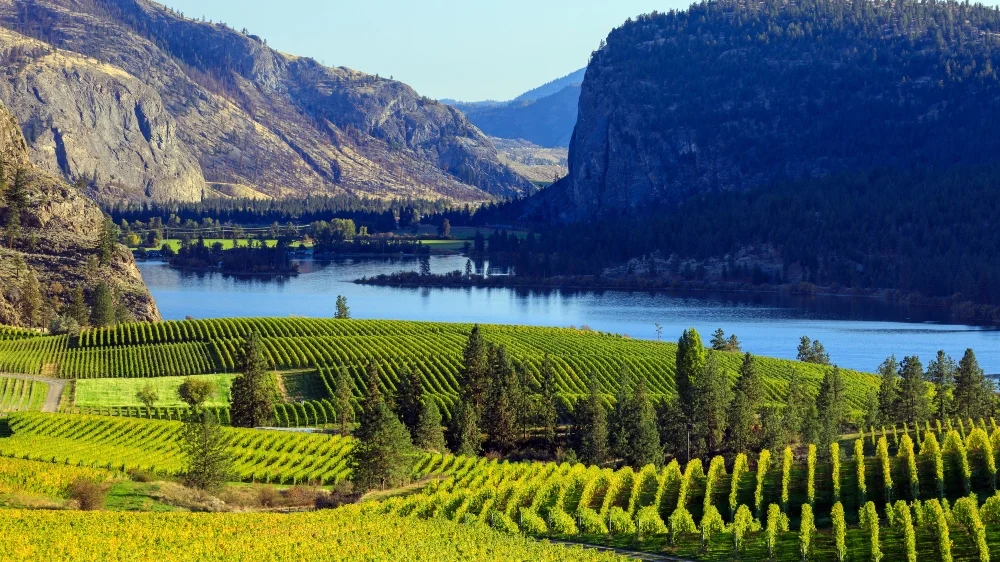
- Okanagan Valley – Cool-climate wines with restraint and character
These regions often deliver craft-level wines without luxury pricing.
How to Find Great Value Wine
What to Look For
- Lesser-known regions near famous ones
- Wines labeled Crianza, Villages, or Estate
- Smaller producers over mass-market brands
- Balanced alcohol and fresh acidity
- Shops with curated selections and knowledgeable staff
Helpful questions to ask:
“What’s your best value bottle right now?”
“What do you personally drink at home?”
What to Be Careful With
- Heavy bottles marketed as “luxury”
- Big brands with massive distribution
- Flashy labels doing all the talking
- Overripe, high-alcohol wines with little balance
- Buying solely based on critic scores
The YEG Thrive Take
Wine pricing isn’t random—but it isn’t foolproof either.
You’re paying for land, labour, time, and choices. Sometimes that adds real value. Other times, it’s just polish and prestige.
For most people, the sweet spot sits around $20–$35, especially when you explore lesser-known regions and producers who prioritize balance over branding.
Drink with curiosity. Spend with intention. And remember: the best wine isn’t the most expensive one—it’s the one you’re happy to pour again.
That’s real value. 🍷