
Prefer listening? 🎧 Hit play above to hear the audio version of this article.
How light exposure impacts your mood in winter is something many people living in northern cities like Edmonton experience firsthand. Shorter days, reduced sunlight, and long stretches indoors can significantly affect energy levels, sleep, and emotional well-being.
Light isn’t just something that helps us see. It’s a biological regulator — a signal that tells our bodies how to function, when to be alert, and even how we feel. When light disappears early in the day, or when it’s cloudy for days on end, many people experience a noticeable dip in mood, motivation, and emotional resilience.
Let’s explore how winter light exposure affects your mood, why it happens, and what you can do to support your mental wellness during the darker months.
How Light Exposure Impacts Your Mood in Winter
Humans are wired to follow natural light patterns. We evolved to wake with the sunrise and wind down after sunset — a cycle called the circadian rhythm.
Light sends powerful signals to our:
- brain
- hormones
- sleep cycles
- energy levels
- emotional regulation systems
When daylight is reduced, especially during Alberta’s long winters, that internal rhythm gets disrupted.
Here’s what happens:
1. Less Light = More Melatonin
Melatonin is a hormone that tells your body it’s time to sleep. Darkness triggers its release, and in winter, darkness arrives early and stays longer.
That means:
- more daytime sleepiness
- sluggish mornings
- lower energy
- feeling “out of it”
This is why many people feel like they’re dragging through January and February.
2. Light Helps Regulate Serotonin (Your Mood-Stabilizing Hormone)
Serotonin is essential for emotional stability, happiness, appetite, and stress management.
Light — especially natural light — helps your brain produce it.
With fewer hours of sunlight, especially when spending most of the day indoors, serotonin production drops.
Low serotonin is associated with:
- irritability
- lower mood
- anxiety
- cravings for carbs and sugar
- difficulty focusing
This is one of the biggest reasons mood dips occur in the winter.
3. Reduced Light Contributes to Seasonal Affective Disorder (SAD)
Seasonal Affective Disorder affects many people in northern climates like Edmonton. It doesn’t just mean “winter blues” — it’s a form of depression triggered by seasonal light changes.
Signs include:
- persistent low mood
- lack of energy
- withdrawal from social activities
- oversleeping
- increased appetite
- difficulty concentrating
It’s more common in:
- women
- young adults
- people with a family history of mood disorders
- those who work indoors with little natural light
If symptoms are strong or persistent, it’s important to reach out to a healthcare professional for support.
4. Light Influences Your Overall Life Rhythm
When daylight hours decrease, so do:
- motivation
- productivity
- exercise consistency
- outdoor activity
- social connection
We naturally spend more time inside, move less, and engage in fewer mood-enhancing experiences.
Light shapes behaviour — more than most people realize.
The Good News: There Are Simple Ways to Improve Light Exposure
The best way to support winter mental health is to work with your biology, not against it.
Here are some practical, science-backed tips to help you feel better during the dark months.
1. Get Natural Light Early in the Day
Aim for 10–20 minutes of outdoor light within the first hour of waking — even if it’s cloudy.
Morning daylight:
- regulates melatonin
- boosts serotonin
- increases alertness
- strengthens your circadian rhythm
Even indirect sunlight through clouds is 100× brighter than indoor lighting.
Try:
- walking the dog
- standing on your deck
- opening curtains fully
- walking to get coffee
- parking farther and walking into work
It all counts.
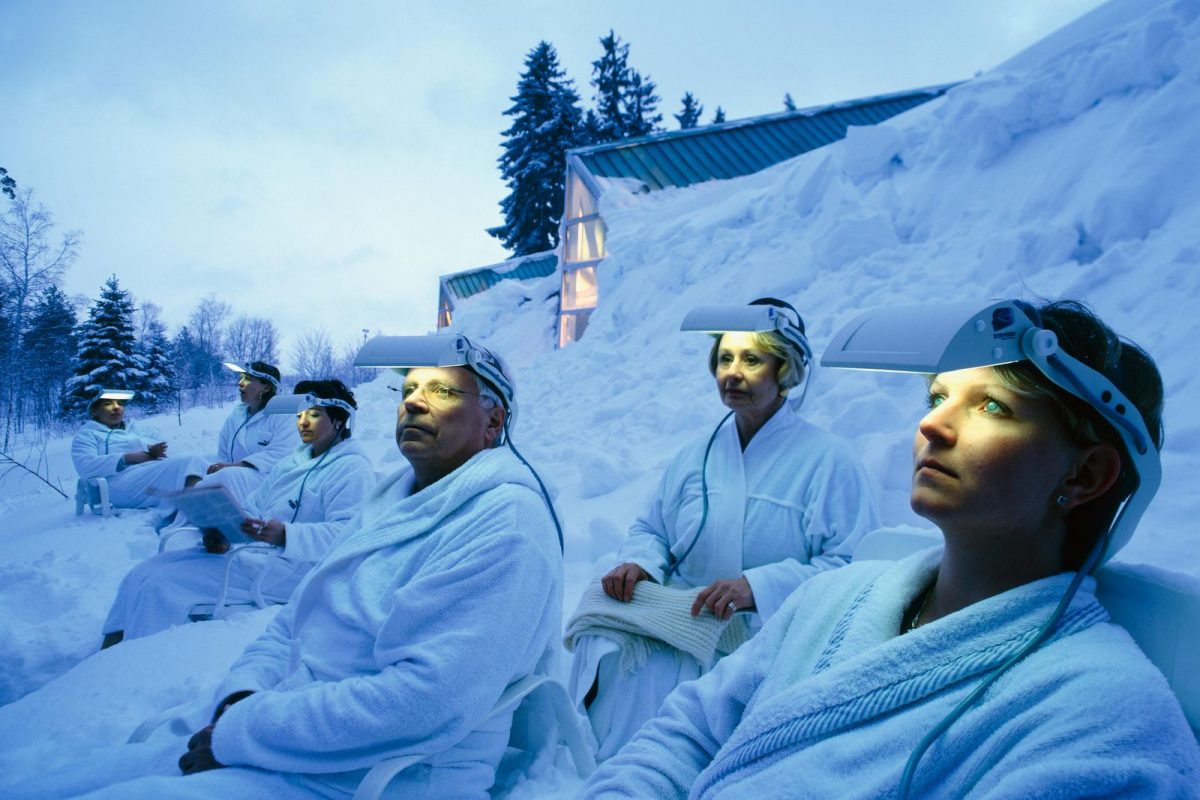
2. Try a Light Therapy Lamp
Light therapy lamps (also called SAD lamps) mimic the brightness of natural daylight. Many people in Edmonton use them from November to March.
Look for:
- 10,000 lux brightness
- UV-free
- 20–30 minutes each morning
People often notice:
- improved mood
- increased energy
- better focus
- fewer cravings
- improved sleep quality
Consult with a doctor if you have bipolar disorder, retinal issues, or migraines.
3. Sit Near Windows Whenever Possible
If you work from home or have a flexible workspace, position yourself near a window.
Benefits include:
- increased alertness
- more stable mood
- reduced eye strain
Even sitting in a brighter space can help.
4. Move Your Body During Daylight Hours
Exercise boosts the same neurotransmitters that winter tends to deplete.
If possible, move during daylight — even a midday walk is powerful.
But even if daylight isn’t accessible, any movement helps:
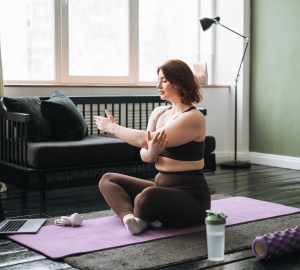
- yoga
- strength training
- stretching
- group classes
- home indoor workouts
Movement is medicine.
5. Consider Vitamin D Support
Vitamin D drops dramatically in the winter, especially in northern regions.
Low levels are associated with:
- fatigue
- low mood
- poor immune function
Most Canadians benefit from a supplement, but consult your doctor or pharmacist to find the right dose.
6. Lean Into Routine and Structure
Winter often disrupts your natural rhythm.
Routines help anchor your mental health.
Try:
- consistent sleep schedule
- regular meal times
- planned workouts
- morning light exposure
- evening wind-down routine
Structure supports stability.
7. Stay Connected
Dark months can increase isolation, which worsens mood.
Be intentional about connection:
- meet a friend for coffee
- schedule weekly check-ins
- join a fitness class
- attend community events
- stay in touch with family
Humans weren’t meant to hibernate alone.
Final Thoughts: You’re Not Imagining It — Light Matters
Winter light exposure affects mood in very real, biological ways — especially in northern cities like Edmonton, where daylight can drop to just a few hours mid-season.
You’re not weak.
You’re not lazy.
You’re not “unmotivated.”
Your body is responding to its environment.
The good news? With small, consistent strategies — light therapy, morning sunlight, movement, sleep regulation, and connection — you can support your mood and thrive through the darkest months of the year.
Understanding how light exposure impacts your mood in winter can help you make small, effective changes that support mental health through the darker months.