
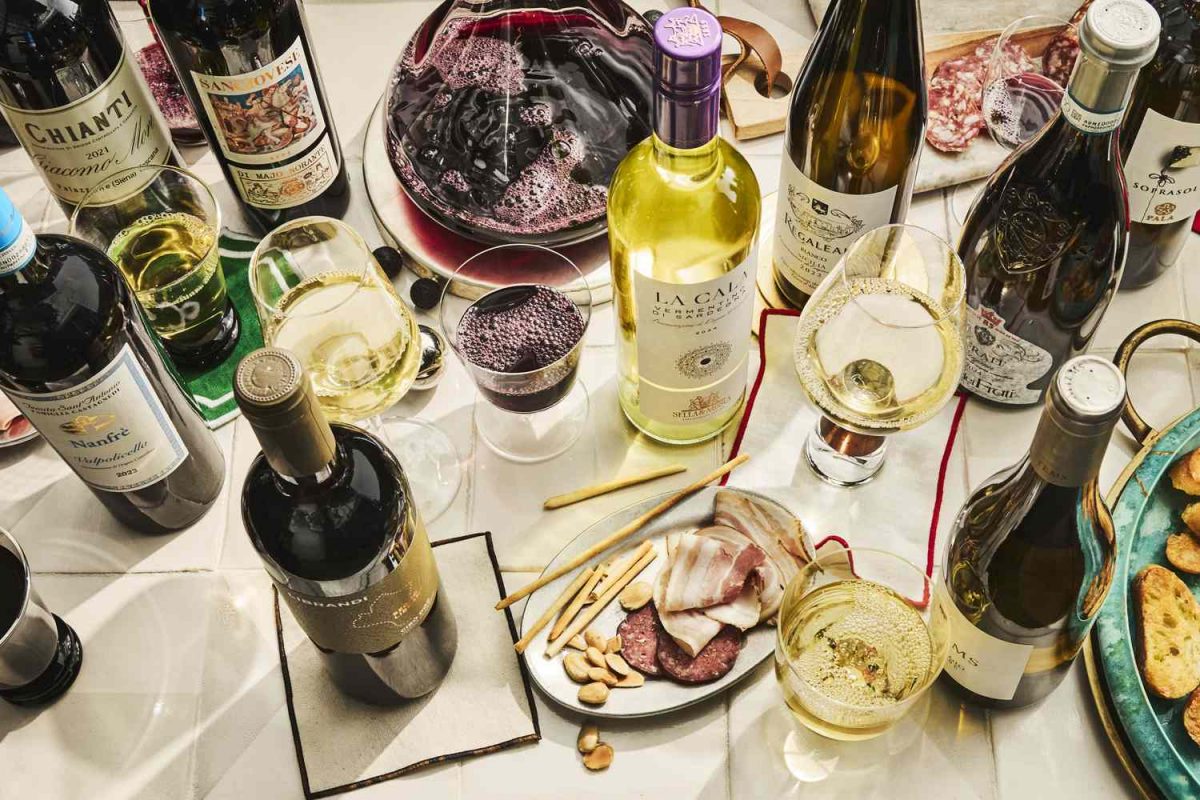

Walking into a wine shop and trying to find a great bottle under $30 can feel like a bit of a gamble.
There are shelves of options, labels trying way too hard to impress you, and the quiet fear that you’re about to spend $28 on something that tastes like regret.
Here’s the good news: you don’t need to spend big money to drink good wine. In Canada — and especially here in Alberta — $18–30 is the sweet spot where quality, value, and enjoyment actually meet.
The trick isn’t spending more. It’s knowing where to look, what to look for, and what to ignore.
Why $18–30 Is the Sweet Spot for Wine
Let’s be honest about pricing for a second.
- Under $15 → hit or miss
- $18–30 → consistent quality and solid value
- $30+ → you’re paying for something specific (region, aging, reputation)
A great wine under $30 isn’t a compromise. It’s often where winemakers overdeliver because they’re competing for attention.
This is where smart wine drinkers live.
The Best Wine Regions for Value
If you want to consistently find a great bottle of wine under $30, certain regions just make it easier.
They either have lower land costs, less hype, or a focus on everyday drinking wines instead of prestige pricing.
Spain (Your Best Friend for Value)
Spain is almost unfair when it comes to value.
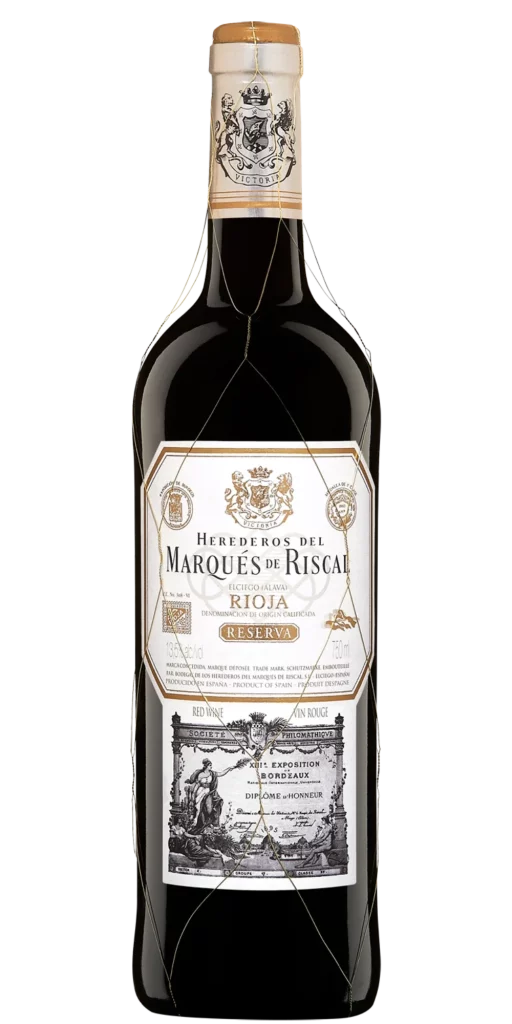
Look for:
- Rioja (Tempranillo-based blends)
- Ribera del Duero (a bit bolder)
- Garnacha (Grenache)
Why it works: long aging requirements, traditional winemaking, and still relatively underpriced compared to France or Napa.
You can often find wines that taste like $40+ bottles… for $20–25.
Portugal (Underrated and Consistently Good)
Portugal quietly produces some of the best budget-friendly wines in the world.
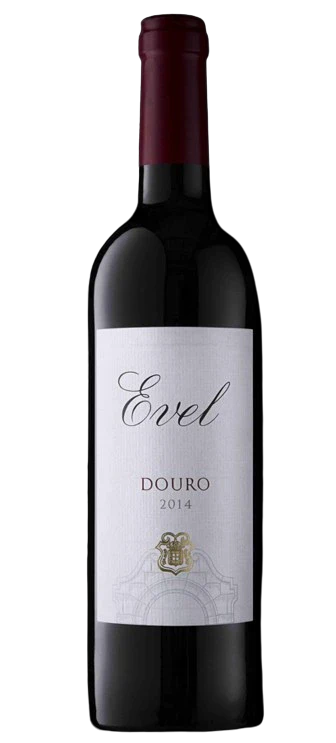
Look for:
- Douro reds (rich, structured)
- Alentejo (smooth, easy-drinking)
These wines are often blends, which means balance is built in.
If you like bold but smooth wines, this is a goldmine.
Southern France (Quality Without the Price Tag)
Instead of chasing Bordeaux, look south.
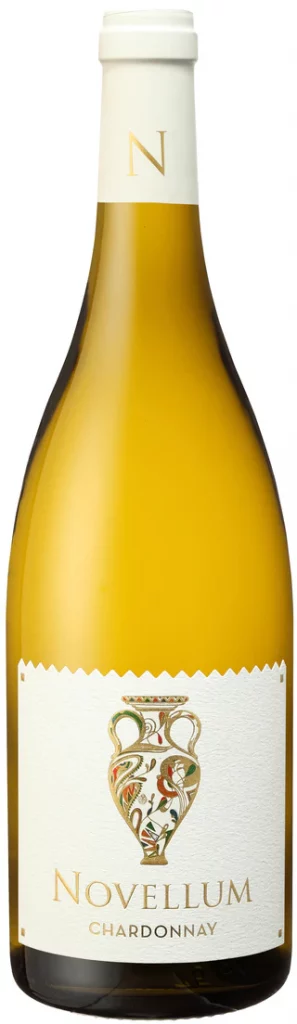
Look for:
- Côtes du Rhône
- Languedoc
- Roussillon
You’ll find Grenache, Syrah, and Mourvèdre blends that are:
- Balanced
- Food-friendly
- Way more affordable
This is classic “Old World” value without the prestige markup.
Argentina (Reliable and Crowd-Pleasing)
Argentina is one of the safest bets for a great wine under $30.
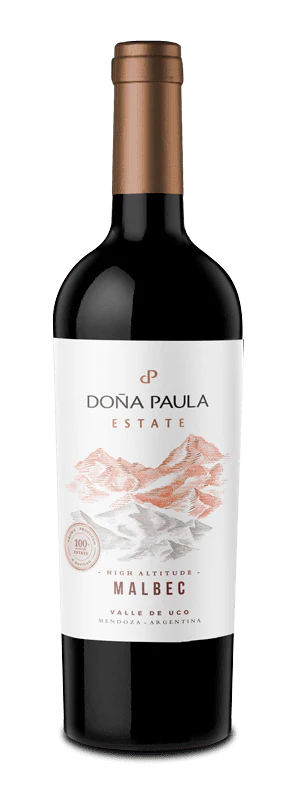
Look for:
- Malbec (the flagship)
- Cabernet Sauvignon
Expect:
- Ripe fruit
- Smooth texture
- Easy drinking
These are wines that rarely disappoint — especially for casual dinners or hosting.
Chile (Clean, Consistent, Affordable)
Chile is incredibly consistent.
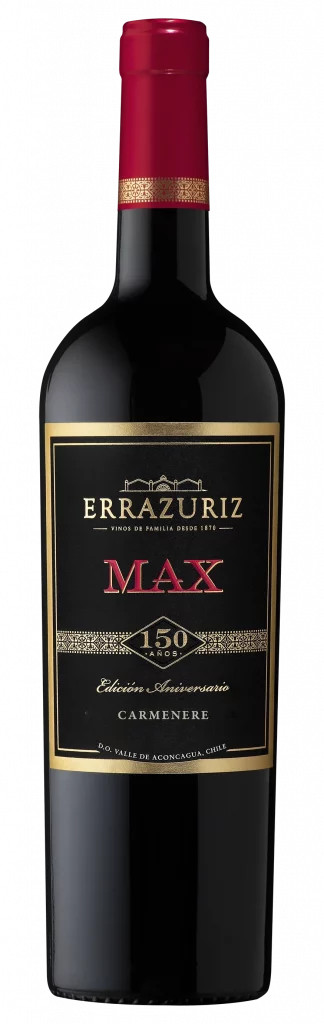
Look for:
- Cabernet Sauvignon
- Carmenère
- Sauvignon Blanc
These wines are:
- Structured but not aggressive
- Clean and fruit-forward
- Excellent value across the board
Italy (If You Know Where to Look)
Italy can be confusing — but also rewarding.
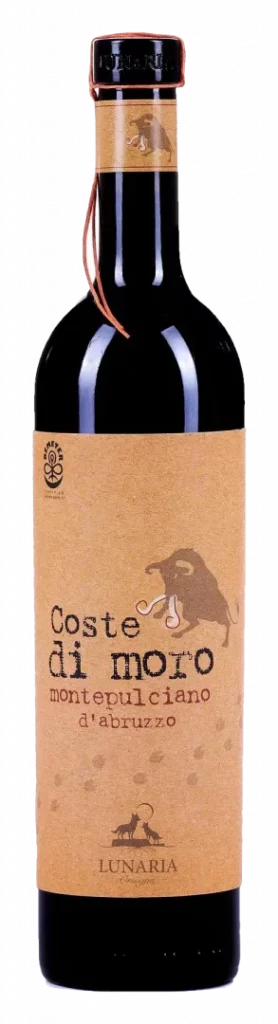
Skip the expensive regions and look for:
- Montepulciano d’Abruzzo
- Nero d’Avola (Sicily)
- Chianti (entry-level)
These wines often offer:
- Bright acidity
- Food-friendly structure
- Great everyday drinking value
What Grape Varieties to Look For
If you’re standing in the aisle trying to find a great bottle under $30, these are safe bets.
For Smooth, Easy Reds
- Merlot
- Pinot Noir (look outside Burgundy — try Chile or Oregon)
- Gamay
For Bold, Full-Bodied Reds
- Malbec
- Cabernet Sauvignon
- Syrah / Shiraz
For Fresh, Crisp Whites
- Sauvignon Blanc
- Pinot Grigio
- Albariño
For Rich, Creamy Whites
- Chardonnay (especially from Chile, Australia, or California)
You don’t need to memorize everything — just recognize a few go-to grapes and build from there.
What Not to Get Duped By
This is where most people go wrong when buying wine under $30.
1. Fancy Labels and Storytelling
If a label looks like it belongs in an art gallery and the back reads like a romance novel… be cautious.
Good wine doesn’t need to try that hard.
2. Medals You’ve Never Heard Of
“Gold Medal Winner” sounds impressive — until you realize there are hundreds of wine competitions.
Most of them don’t mean much.
3. Overhyped Regions
Napa Valley. Bordeaux. Burgundy.
Can you find good wine under $30 from these regions? Occasionally.
Is it the best place to look for value? Not even close.
You’re often paying for reputation, not quality.
4. Assuming Price Equals Enjoyment
This is the biggest myth in wine.
Spending $45 doesn’t mean you’ll enjoy it more than a $22 bottle.
It just means it cost more to produce, market, or import.
Your goal isn’t to buy “better” wine.
Your goal is to buy wine you actually enjoy drinking.
A Simple Strategy That Actually Works
Next time you’re in a wine shop, try this:
- Pick a region known for value (Spain, Portugal, Chile)
- Choose a style you already like (smooth, bold, crisp, or rich)
- Stay in the $18–30 range
- Ignore the noise on the label
- Ask for help using normal language – “I like smooth reds around $25”. “Looking for something fresh and easy”
That’s it.
No stress. No overthinking.
Final Thought: Good Wine Doesn’t Have to Be Expensive
There’s a weird belief that good wine has to cost more.
It doesn’t.
Some of the most enjoyable wines you’ll drink will fall right in that under $30 range — especially when you stop chasing labels and start trusting your taste.
Because at the end of the day, the best bottle isn’t the most expensive one on the shelf.
It’s the one you actually want a second glass of.
And that’s usually a lot easier to find than people think.