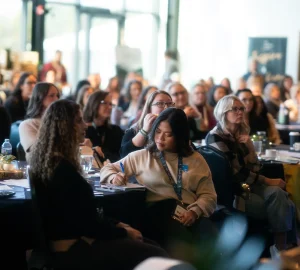
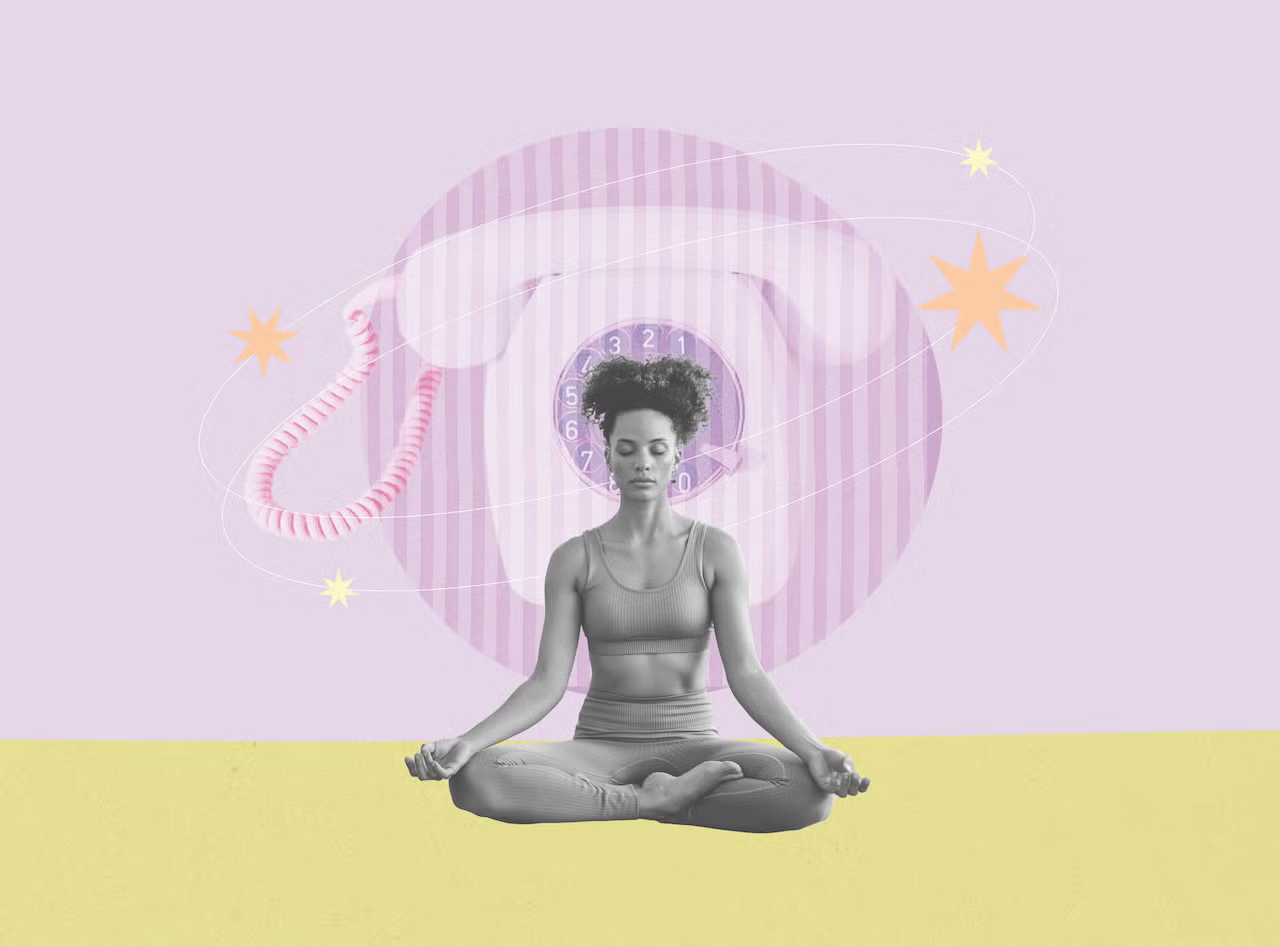

The shift toward offline living is becoming more noticeable as people look for ways to disconnect from constant digital noise and reconnect with real-life experiences.
People are still online. Still scrolling. Still connected.
But at the same time… there’s a quiet shift happening.
More people are:
- Leaving their phones behind (even if just for an hour)
- Looking for slower experiences
- Choosing real conversations over constant updates
It’s not loud. It’s not a trend in the usual sense. But it’s growing.
And it has a name now:
Offline living
What Is Offline Living (And Why Is It Gaining Momentum)?
Offline living doesn’t mean:
- Deleting social media
- Going off the grid
- Giving up technology completely
It’s not about extremes. It’s about creating intentional space away from constant stimulation.
Moments where:
- You’re present
- You’re not distracted
- You’re actually engaged in what’s happening around you
And the reason it’s gaining traction is pretty simple:
People are tired. Not physically. Mentally.
Tired of:
- Always being reachable
- Always consuming something
- Always feeling slightly “on”
Offline living offers a way to step out of that—without needing to change your entire life.
The Problem Isn’t Technology — It’s the Default
Let’s be clear. Technology isn’t the enemy. Phones, apps, social platforms—they all have value. The issue is how easily they become the default setting for everything.
Research from the American Psychological Association highlights how excessive screen time can impact stress and attention levels.

You:
- Wake up → check your phone
- Wait in line → check your phone
- Sit down at a café → check your phone
- Go for a walk → headphones in, world out
And none of those moments are inherently bad. But when they happen all day, every day, something shifts.
You lose:
- Awareness
- Presence
- Connection (to people and environment)
And that’s where the feeling of disconnection starts to creep in.
Why Offline Living Matters in Edmonton
In a city like Edmonton, where long winters and busy schedules can already limit social interaction, creating intentional offline experiences becomes even more important. From neighbourhood walks to local cafés and community events, there are opportunities to reconnect with people and the city itself — but they require stepping away from screens.
Offline living in Edmonton isn’t about rejecting technology — it’s about creating balance and making space for real-life connection.
Here’s the interesting part. Edmonton might actually be one of the best cities to lean into offline living.
1. We Have Space (A Lot of It)
The river valley alone gives you access to:
- Trails
- Green space
- Quiet areas
You don’t have to drive hours to “disconnect.” It’s already here.
2. The Local Café Culture Is Built for It
There’s a growing number of spaces in the city that:
- Encourage you to stay
- Slow the pace down
- Create room for conversation
Places where being present doesn’t feel forced. It just happens.
3. People Are Craving Community Again
You see it in:
- Local events
- Small group gatherings
- Community-based experiences
There’s a shift away from:
👉 “What can I consume?”
toward
👉 “Where can I connect?”
And that’s a big change.
What Offline Living Actually Looks Like (In Real Life)
This is where people overcomplicate things.
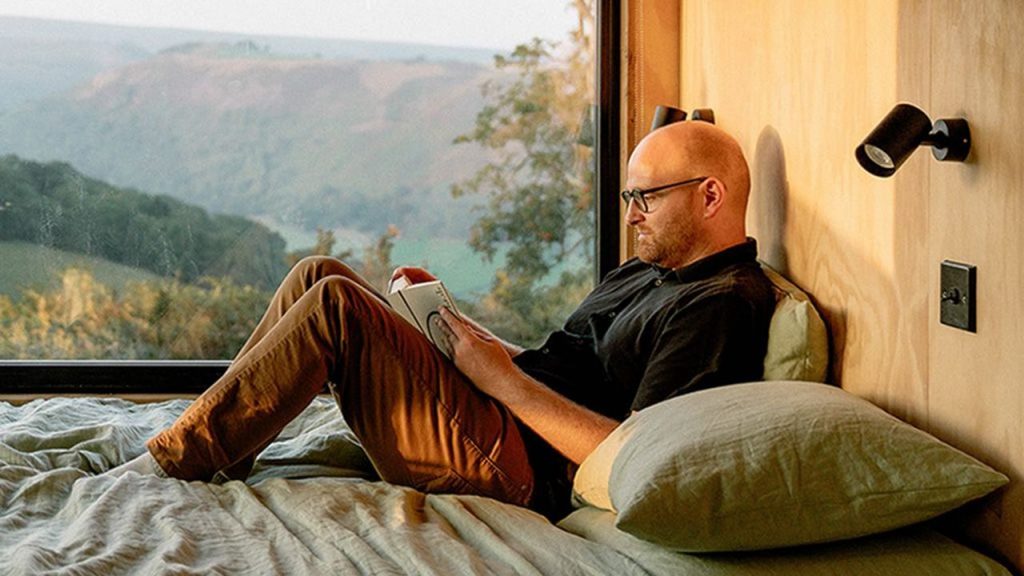
Offline living isn’t:
- A full lifestyle rebrand
- A perfectly curated routine
- A weekend retreat in the mountains
It’s small. And it’s simple.
It Looks Like Going for a Walk Without Your Phone
Not tracking steps. Not listening to something. Just walking.
At first, it feels weird. Then it feels… better than expected.
It Looks Like Sitting in a Café and Staying
No laptop. No urgency. Just being there.
Watching. Thinking. Talking.
It Looks Like Being Around People Without Distraction
Not half-listening. Not checking notifications mid-conversation. Actually being present.
Even if it’s just for an hour.
It Looks Like Creating a Slower End to Your Day
Dimming lights. Reducing stimulation. Letting your brain settle.
Instead of jumping from screen to sleep.
Why This Matters More Than We Think
There’s a deeper reason this shift is happening. People aren’t just trying to reduce screen time.
They’re trying to feel:
- More grounded
- More connected
- More like themselves again
Because constant stimulation does something subtle: It pulls you away from the present moment.
And when you spend enough time outside that moment, things start to feel:
- Disconnected
- Flat
- Slightly off
Offline living brings you back. Not perfectly. Not instantly. But enough to notice a difference.
The Trap: Thinking You Need to Do It Perfectly
This is where most people get stuck.
They think:
- “I should be on my phone less”
- “I need better habits”
- “I need to change everything”
And then… they do nothing. Because it feels too big. But this isn’t about perfection.
It’s about:
👉 small interruptions to your normal patterns
Even 10–20 minutes of being fully present can shift how you feel.
A Simple Way to Start (This Week)
Try this:
👉 Pick one moment in your day
👉 Do it without your phone
That’s it.
- A walk
- A coffee
- A short drive
- Sitting outside
No pressure. No rules beyond that. Just one pocket of presence.
Why This Is Only Going to Grow
You’re going to see more of this.
More:
- Offline events
- Phone-free experiences
- Community-based gatherings
Because people are realizing something:
👉 More input doesn’t equal more fulfillment
And the more connected we become digitally, the more valuable real-world connection becomes.
FAQ: Offline Living
What is offline living?
Offline living is the practice of intentionally creating time away from screens and digital stimulation to be more present in real life.
Do you have to give up your phone to live offline?
No. It’s about balance, not elimination.
Why is offline living becoming popular?
People are seeking less stimulation and more meaningful, real-world experiences.
How can I start offline living?
Begin with small moments—walks, conversations, or activities without your phone.
Final Thought
You don’t need to disconnect from everything. You just need to reconnect with something real.
- A place.
- A person.
- A moment.
And in a city like Edmonton, you’ve got more opportunities to do that than you think.
You just have to look up long enough to notice.