
Rosé wine has a reputation as a “summer-only” drink, but there’s a lot more to it than that. While it absolutely shines on patios and warm evenings, rosé can be surprisingly versatile year-round.
It has somehow become the wine equivalent of patio furniture.
The weather gets nice, people suddenly remember it exists, everyone drinks it for three months, and then it disappears back into hibernation beside the Christmas decorations and expired citronella candles.
And honestly? Rosé deserves better than that.
Because while it absolutely crushes on a patio in the sun with snacks and good conversation, rosé isn’t just some trendy “poolside wine” for people wearing white linen and pretending they know what yacht clubs are.
Wine education resources often highlight rosé as one of the most versatile wine styles for food pairing. It is one of the most food-friendly, easy-to-enjoy wine styles out there. Most people just haven’t realized it yet because somewhere along the way, rosé got unfairly shoved into the category of “seasonal novelty.”
Which is kind of ridiculous when you think about it.
We don’t do this with red wine.
Nobody says:
“Sorry, Cabernet season ended in February.”
So let’s fix the rosé confusion a little.
Without making this weird or overly technical.
Because wine should never feel like homework.
First: Rosé Is Not Red and White Wine Mixed Together
This is probably the biggest rosé myth out there.
A lot of people assume rosé is made by blending red and white wine together like some kind of alcoholic science experiment somebody invented at brunch.
That’s generally not how it works.
Rosé is usually made from red grapes, but the grape skins only stay in contact with the juice for a short amount of time.
Here’s the simple version:
- Red wine gets its colour from grape skins staying with the juice longer
- Rosé keeps the skins in contact for only a few hours to maybe a day or two
- That shorter contact gives rosé its pink colour and lighter feel
That’s it.
No magic.
No secret wine wizardry.
Just less skin contact.
Which also explains why rosé tends to feel lighter, fresher, and more refreshing than heavier red wines.
Why Rosé Works So Damn Well
Rosé succeeds because it sits in the middle of everything.
It has:
- Some fruit and structure from red wine
- Some freshness and acidity from white wine
- Way less heaviness than bold reds
- More flavour than a lot of lighter whites
Basically, it’s the “I don’t know what I feel like drinking” wine that somehow works anyway.
And once patio season hits, that balance becomes perfect.
Acidity: The Thing You Don’t Realize You Already Like
Let’s talk about acidity without making this sound like a chemistry class.
Acidity in wine is what makes it feel:
- Fresh
- Crisp
- Mouth-watering
- Refreshing
It’s why certain wines feel bright and lively instead of heavy and sleepy.
Rosé usually has pretty solid acidity, which is why it works so well outside in warm weather.
When it’s hot out, your palate naturally wants things that feel refreshing. That’s why people crave citrus, cold drinks, lighter foods, and wines that don’t feel like they’re coating your mouth in syrup and regret.
Acidity keeps rosé feeling alive.
It’s the reason you finish a glass and immediately want another sip.
Rosé Is One of the Most Food-Friendly Wines You Can Buy
This is where rosé quietly becomes the MVP.
Because unlike some wines that only really work with specific meals, rosé plays nicely with almost everything.
Seriously.
It works with:
- Burgers
- Seafood
- Tacos
- Charcuterie
- Pizza
- Salads
- Grilled chicken
- Fries
- Spicy food
- Random patio appetizers nobody fully commits to ordering
Rosé succeeds because it doesn’t overpower food.
It complements instead of dominates.
That balance makes it incredibly easy to drink socially because you don’t have to overthink pairings.
And honestly, most people massively overcomplicate wine pairing anyway.
Good food + good company + a wine you enjoy is already enough.
Everything else is bonus material.
Dry Rosé vs Sweet Rosé (Without Wine Snobbery)
This is where a lot of people get confused.
Someone tries one rosé they don’t like and suddenly decides:
“I guess I don’t like rosé.”
But rosé isn’t one thing.
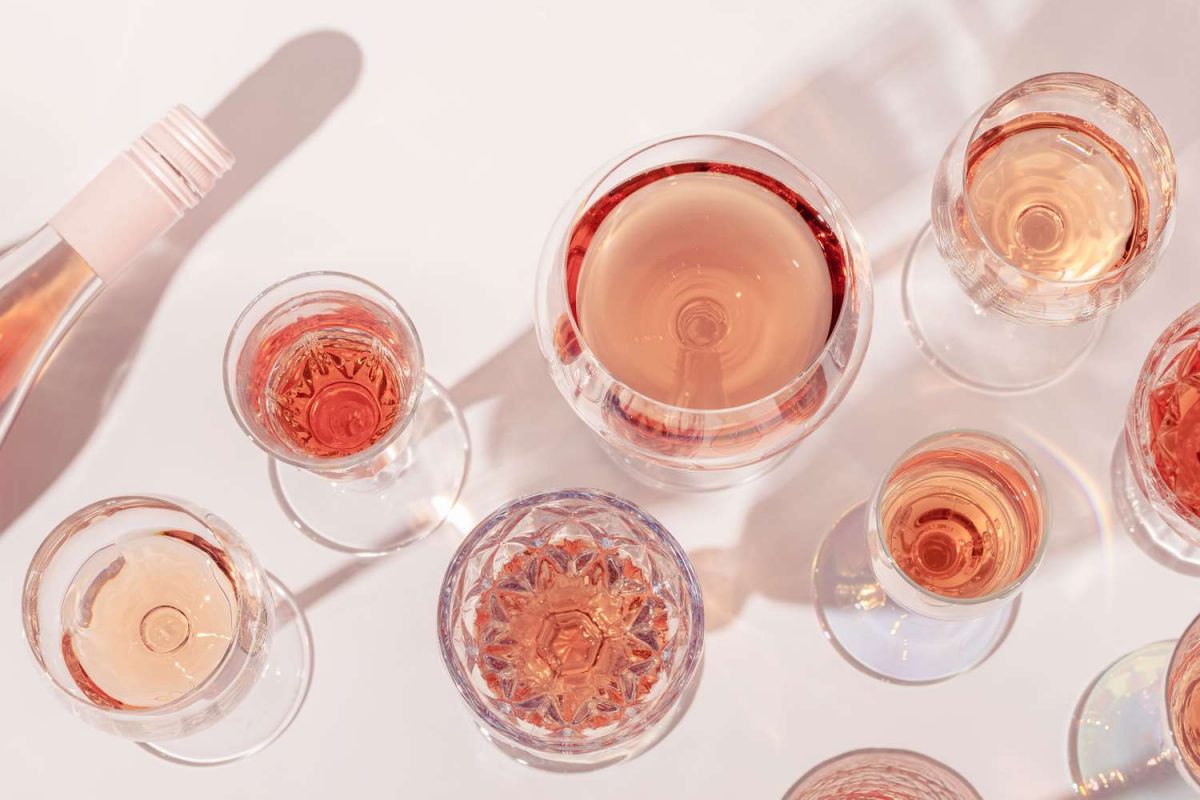
There’s a massive difference between dry rosé and sweet rosé.
Dry Rosé
This is the style most people are talking about now.
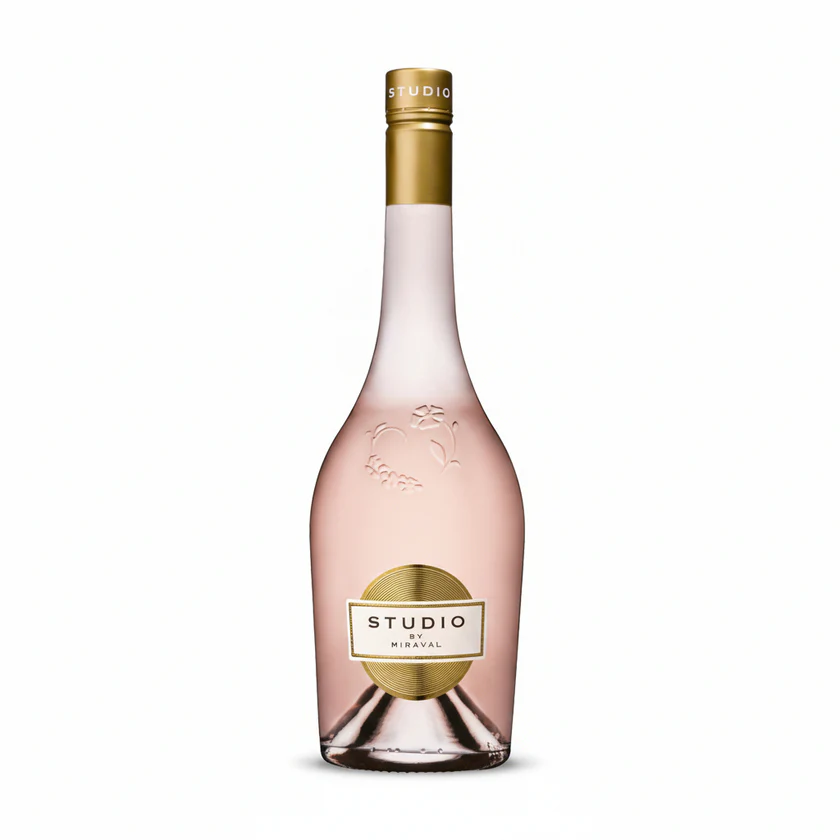
It’s:
- Crisp
- Refreshing
- Less sugary
- More citrus, strawberry, watermelon, herbs
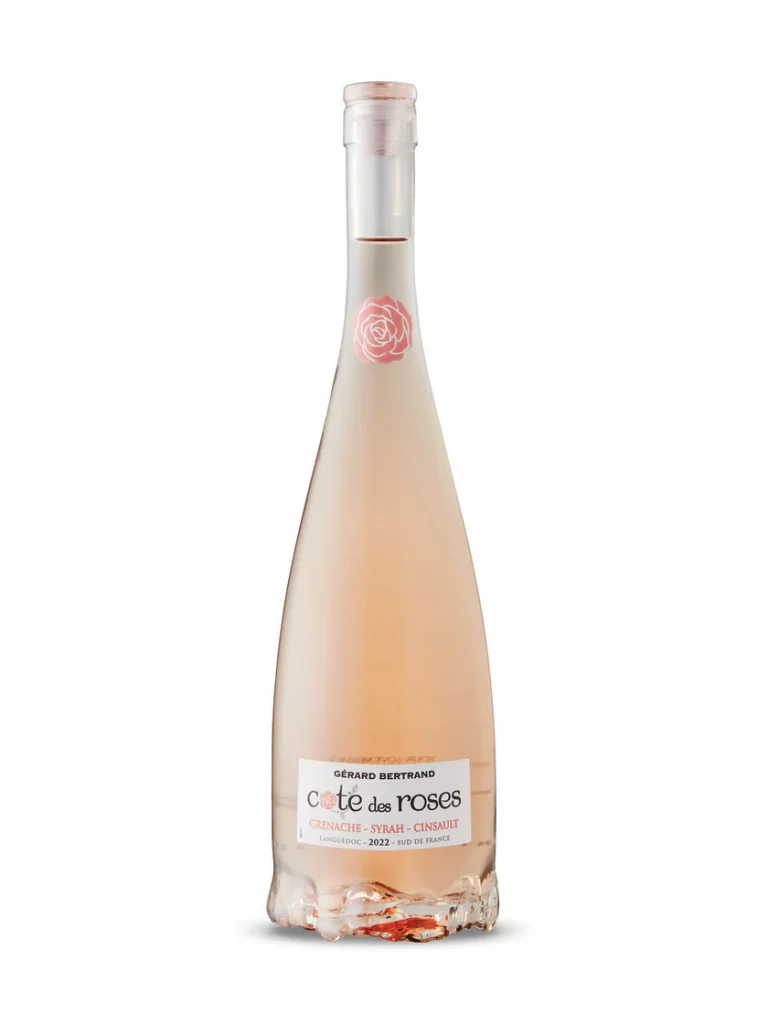
Dry rosé is usually what you’ll find from places like:
- France
- Provence
These wines are light, elegant, and ridiculously patio-friendly.
Sweet Rosé
Sweet rosé has more noticeable residual sugar.
It feels:
- Softer
- Fruitier
- Sometimes candy-like
And listen—there’s nothing wrong with that.
If you enjoy sweeter rosé, drink sweeter rosé.
Wine people sometimes act like dry automatically means “better,” and that’s nonsense.
Your wine exists for your enjoyment, not somebody else’s approval.
That philosophy matters because way too many people force themselves to drink wines they think they’re supposed to like instead of just enjoying what actually tastes good to them.
That’s exhausting.
How to Pick a Rosé Without Standing in the Store Looking Lost
Most people overthink wine shopping because they think there’s a “correct” answer hidden somewhere on the shelf.
There isn’t.
You’re just looking for patterns.
Here are a few easy shortcuts:
If You Want Something Crisp and Refreshing:
Look for:
- Lower alcohol (usually around 11.5–13%)
- Pale pink colour
- Words like “dry” on the label
If You Want Something Fruitier and Softer:
Look for:
- Darker pink colour
- Slightly higher alcohol
- Regions from warmer climates
If You Usually Drink White Wine:
Start with dry rosé.
If You Usually Drink Red Wine:
Try rosés made from grapes like:
- Grenache
- Syrah
- Pinot Noir
They tend to carry a bit more body and familiarity.
And here’s the important part:
You do not need to find “the perfect rosé.”
That’s not the goal.
Stop Trying to Find the One Perfect Wine
This happens constantly with wine.
People think they need to discover:
- their wine
- their grape
- their region
- their perfect bottle
But wine doesn’t work like a soulmate movie.
Your tastes change depending on:
- weather
- food
- mood
- company
- season
- whether or not somebody annoyed you earlier that day
The better approach is to experiment a little.
Try:
- one dry rosé
- one fruitier rosé
- one slightly fuller-bodied rosé
See what you naturally enjoy.
No pressure.
No performance.
Just curiosity.
Rosé Has a Branding Problem More Than a Wine Problem
A lot of people avoid rosé because of the stereotypes around it.
Too feminine.
Too trendy.
Too “basic.”
Too seasonal.
Meanwhile those same people are drinking canned vodka sodas with cartoon flamingos on them and somehow acting like rosé is the unserious choice.
Relax.
Rosé is just wine.
Very good wine, actually.
And the best part about getting more comfortable with wine is eventually realizing you don’t need to defend what you enjoy drinking.
That’s when wine finally becomes fun.
Final Thought: Drink What You Enjoy
Rosé is perfect right now because patio season naturally suits wines that feel:
- lighter
- fresher
- more refreshing
- easier to drink socially
But that doesn’t mean rosé only belongs to summer.
It just means summer reminds people how good it can be.
So instead of trying to “find the best rosé,” try a few different styles and pay attention to what you naturally enjoy.
Because the whole point of wine isn’t to impress people.
It’s to enjoy yourself.
And if you genuinely love the wine in your glass?
Then congratulations.
You already understand wine better than a surprising number of people pretending to.