
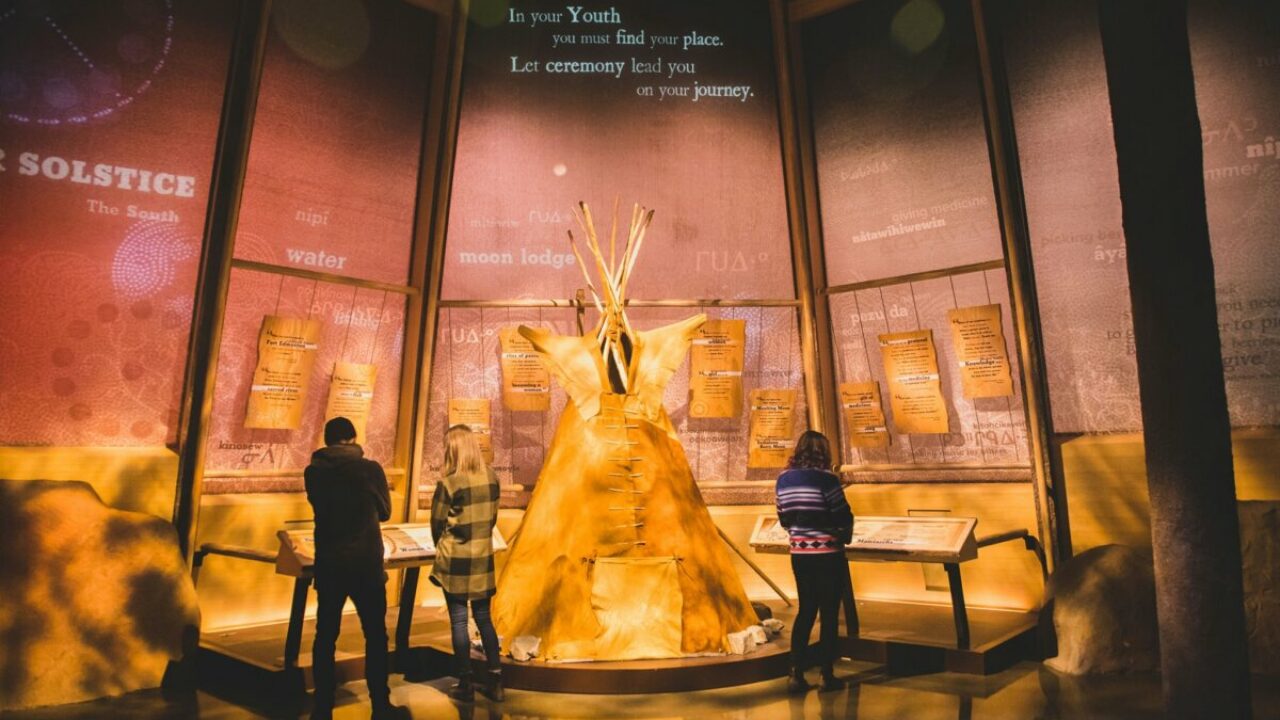

September 30 in Edmonton is a time to honour residential school Survivors, the children who never returned home, and their families and communities. The National Day for Truth and Reconciliation asks us to give that history and its continuing impacts our attention. The City of Edmonton identifies those responsibilities in its information about the day.
For a publication focused on community, this is also a moment to consider how we listen, whose knowledge we centre and what we do after a commemorative date has passed. This article is a starting point for finding resources. The voices of Survivors and Indigenous communities belong at the centre of the learning.
Begin with the meaning of the orange shirt
Orange Shirt Day grew from Phyllis Webstad’s account of having her orange shirt taken away when she arrived at residential school. Reading or hearing her account through the Orange Shirt Society connects the symbol to a person’s experience rather than treating it as a seasonal design. Take time with the story and the educational resources the Society has chosen to share.
The National Centre for Truth and Reconciliation explains that First Nations, Inuit and Métis children were taken from their families and communities to attend residential schools, often far from home. Its history resources provide context that a brief social post cannot offer. Choose a resource you can give proper attention to, and allow learning to continue beyond a single sitting.
If you are learning with children, seek age-appropriate resources developed or recommended by Indigenous educators and organizations. Be prepared to listen to questions and to acknowledge when you do not know an answer. Learning does not require pretending that a difficult history can be explained completely in one conversation.
Use local resources thoughtfully

Edmonton Public Library’s Indigenous Services page brings together opportunities to learn through materials, classes and events. It is a practical starting point for finding Indigenous voices and resources close to home. Check the current information for any programme you hope to attend, including registration and intended audience.
If an Indigenous organization invites the public to a gathering, follow its guidance. Confirm the current date and access details directly with the organizer. Respect instructions about photography, recording and participation, and do not assume every ceremony or gathering is open to visitors.
The same consideration applies in everyday conversations. Indigenous friends, colleagues and neighbours should not be expected to provide personal accounts or unpaid instruction because other people are beginning to learn. Use publicly offered resources and recognize the choice involved when someone shares their experience.
Decide what continues after September 30
The Truth and Reconciliation Commission’s Calls to Action provide a more substantial place to begin than a vague promise to do better. They address responsibilities across governments, institutions and society. Read them in context and identify where your work, organization or community role creates a responsibility to learn and act.
For an individual, a practical next step may be continuing a course of learning or supporting an Indigenous-led initiative on its own terms. For an organization, it may involve examining existing commitments, making time for education and checking whether stated intentions are followed by action. These starting points do not replace the wider responsibilities described in the Calls to Action.
At YEG Thrive, making room for community includes making room for careful listening. September 30 deserves that attention, with learning and accountability continuing after the orange shirts have been put away.
Support is available for people affected by residential schools. The National Indian Residential School Crisis Line offers support 24 hours a day at 1-866-925-4419.