
There’s a moment many people recognize, even if they don’t always talk about it.
You finally sit down at the end of the day. The house is quiet. There’s nothing urgent to do. No emails waiting. No deadlines pressing.
And yet… your body doesn’t get the memo.
Your mind keeps moving.
Your shoulders stay tight.
Your thoughts drift to everything that could go wrong tomorrow.
From the outside, everything looks calm. But internally, it feels anything but.
For people who experience anxiety, this disconnect is incredibly common. Relaxation isn’t always as simple as just “taking it easy.” In fact, for many, calm moments can actually feel uncomfortable.
Understanding why this happens is the first step toward changing it.
Why the Brain Struggles to “Turn Off”
Anxiety isn’t just about worry. It’s rooted in how the brain and body are wired to keep us safe.
At the centre of this response is the nervous system. When the brain perceives a threat—real or imagined—it activates what’s often called the “fight or flight” response. This leads to the release of stress hormones like cortisol and adrenaline, increasing alertness and preparing the body to act.
The problem is that for many people, this system becomes overactive.
Even in calm environments, the brain continues scanning for potential threats. It’s like a smoke alarm that goes off not just for fires, but for burnt toast, steam, or even nothing at all.
This means that when the external world slows down, the internal world may still be running at full speed.
And when your body is in a heightened state of alertness, true relaxation can feel unfamiliar—or even unsafe.
When Calm Feels Uncomfortable
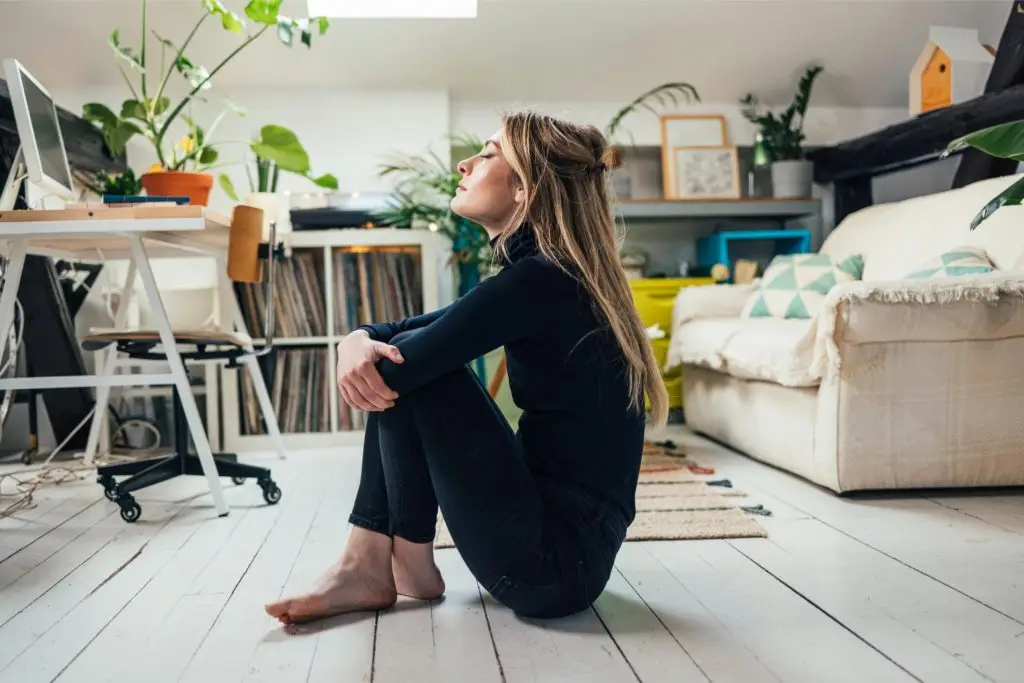
One of the most frustrating parts of anxiety is that calm moments don’t always feel calming.
In fact, they can sometimes make things worse.
When distractions fade away—no phone, no conversation, no tasks—the mind suddenly has space. And that space often gets filled with thoughts that were previously pushed aside.
People might notice:
- Racing thoughts about the future
- Replaying past conversations or mistakes
- A vague sense of unease without a clear cause
- Physical tension that doesn’t seem to release
This happens because the brain has become used to operating in a state of stimulation. Constant input—notifications, scrolling, background noise—keeps the mind occupied.
When that stimulation disappears, the brain doesn’t immediately settle. It keeps searching for something to focus on.
Often, that “something” becomes worry.
The Role of Constant Stimulation
Modern life doesn’t make this any easier.
We live in a world where it’s possible to fill almost every quiet moment with input. Social media, podcasts, emails, messages—there is always something to check, watch, or respond to.
While this can feel productive or even relaxing in the moment, it trains the brain to expect constant stimulation.
Over time, this makes stillness feel unfamiliar.
And when stillness feels unfamiliar, it can also feel uncomfortable.
This is one of the reasons many people say they want to relax, but then immediately reach for their phone when given the opportunity.
It’s not a lack of discipline. It’s a learned pattern.
Why Relaxation Is a Skill (Not a Switch)

One of the biggest misconceptions about relaxation is that it should happen instantly.
In reality, relaxation is a skill.
Just like building strength or endurance, it requires practice and repetition.
For someone experiencing anxiety, the nervous system needs time to shift from a heightened state of alertness into a more relaxed state. This doesn’t always happen the moment you decide to sit down.
Instead, it happens gradually.
The body needs signals that it is safe. The mind needs time to slow down. And both respond best to consistent, gentle habits rather than force.
This is why telling someone to “just relax” is rarely helpful.
It’s not that simple.
Creating Space for Real Calm
If relaxation feels difficult, the goal isn’t to force calm—it’s to create conditions where calm can naturally emerge.
That often starts with small shifts in how we spend our time.
Some simple approaches include:
- Taking short walks without headphones or distractions
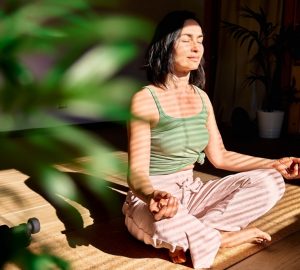
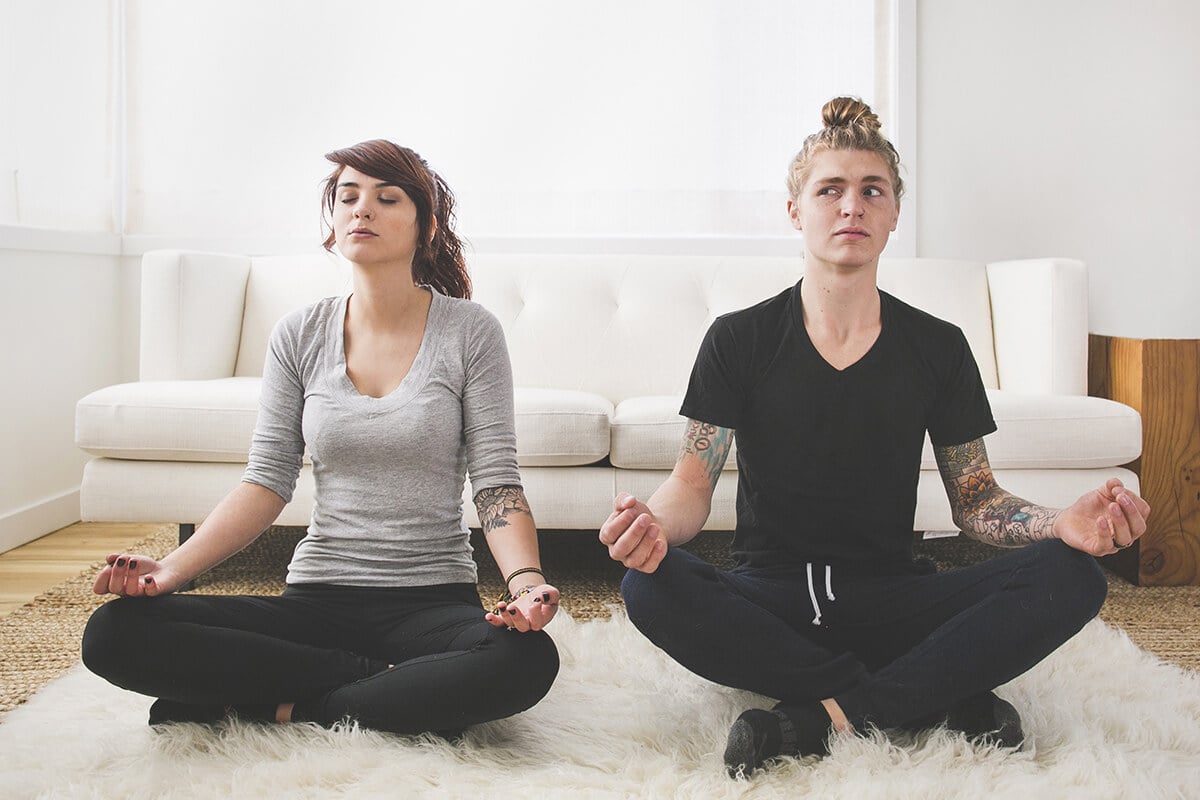
- Sitting in a quiet space for a few minutes without reaching for a device
- Focusing on slow, steady breathing
- Spending time in natural environments like Edmonton’s River Valley
- Engaging in low-pressure, real-world activities like reading or journaling
These moments may feel uncomfortable at first. That’s normal.
Over time, they begin to retrain the nervous system.
The brain starts to recognize that quiet does not equal danger.
And slowly, relaxation becomes more accessible.
The Power of Shared, Present Experiences
One of the most effective ways to ease anxiety is through connection.
Not digital connection, but real, in-person interaction.
When people spend time together—walking, talking, sharing a meal—the body often shifts into a more relaxed state. Social connection can help regulate the nervous system, reducing stress and creating a sense of safety.
This is part of the reason why intentional, in-person experiences have become more important than ever.
Across Edmonton, there is a growing desire to step away from constant digital stimulation and reconnect with simple, real-world moments. Spaces that encourage conversation, presence, and shared experiences can offer a powerful counterbalance to the noise of everyday life.
That’s exactly the idea behind initiatives like the Offline Collective. By creating opportunities for people to gather without the pressure of screens or constant distraction, these experiences help people reconnect—not just with others, but with themselves.
And in doing so, they create the conditions where true relaxation can begin.
Learning to Feel Calm Again
For many people, the challenge isn’t just relaxing. It’s remembering what relaxation actually feels like.
But the ability to feel calm hasn’t disappeared.
It’s just been overshadowed by constant stimulation and an overactive stress response.
The process of getting it back doesn’t require a complete life overhaul. It starts with small, intentional moments of presence.
Moments where you step away from the noise.
Moments where you allow your mind to slow down.
Moments where you don’t immediately fill the silence.
At first, those moments may feel unfamiliar.
But over time, they begin to feel natural again.
And eventually, they start to feel like something you’ve been missing.