
Let’s just say what a lot of people are thinking:
When someone says they “get notes of blackberry, tobacco, and a hint of wet forest floor,” it can feel like they’re either a genius… or completely full of it.
And if you’ve ever taken a sip of wine and thought, “This tastes like… wine,” you’re not alone.
So let’s answer the question honestly:
Are flavours and aromas in wine real?
Yes.
Are they sometimes wildly overdone and a bit ridiculous?
Also yes.
Both things can be true at the same time.
What’s Actually Happening When You Smell and Taste Wine
Wine isn’t just fermented grape juice. It’s a chemical cocktail shaped by:
- The grape variety
- Where it’s grown
- How it’s fermented
- Whether it’s aged (and how)
All of those factors create aromatic compounds—real, measurable molecules that your brain interprets as specific smells and flavours.
For example:
- Compounds called esters can smell like banana or pear
- Thiols can give off grapefruit or passionfruit notes
- Oak aging can introduce vanilla, spice, or toast
So when someone says a wine smells like vanilla or citrus, they’re not hallucinating. There are actual compounds responsible for those sensations.
But—and this is important—
Your brain is doing a lot of interpretation.
Your Brain Is Filling in the Blanks
Here’s where things get interesting.
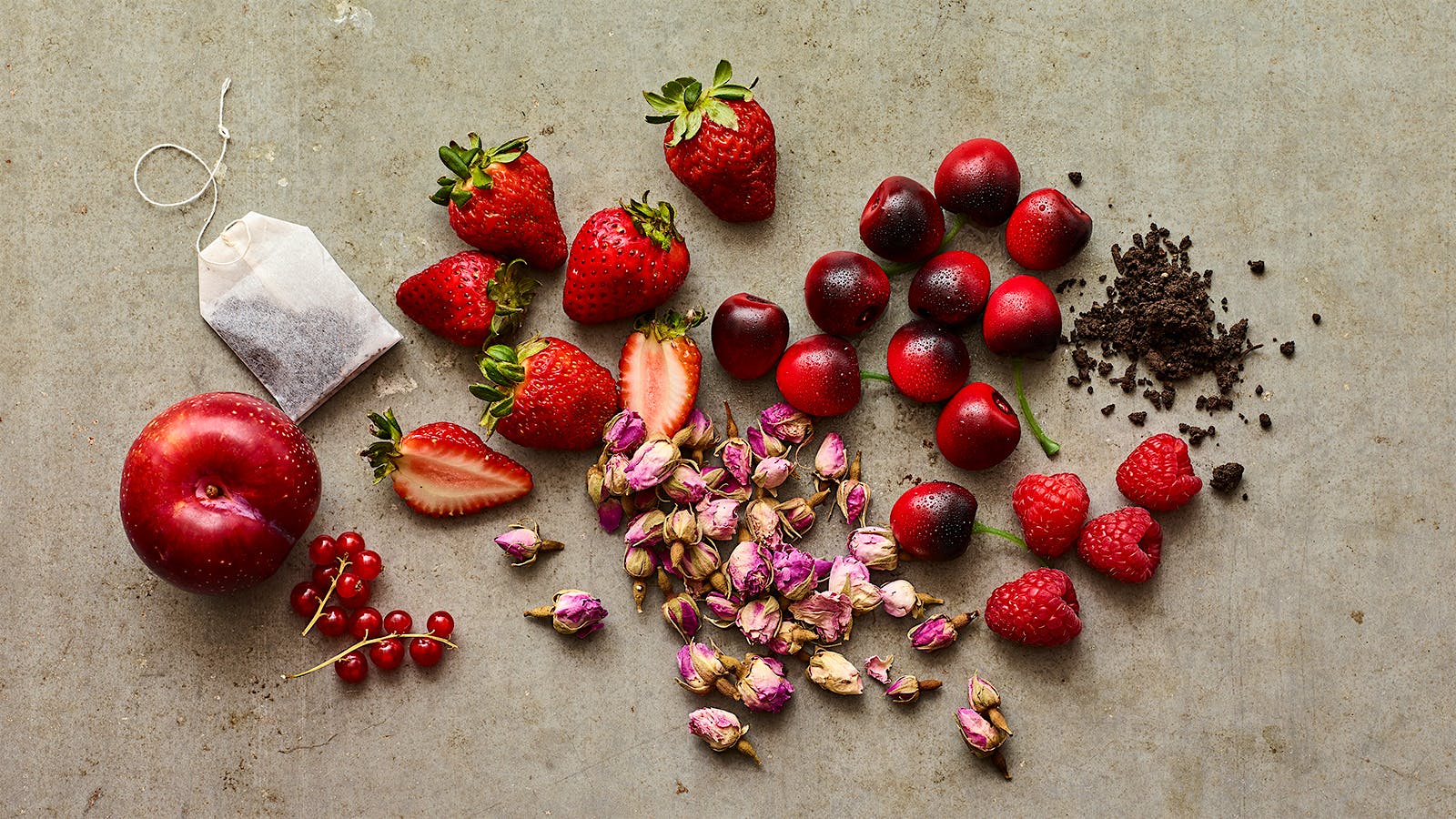
You don’t taste “blackberry” in wine because there are blackberries in it.
You taste a combination of aromas and flavours that your brain recognizes as similar to blackberry.
It’s the same way:
- Vanilla extract smells like cookies, even though it’s not cookies
- Cinnamon smells like baking, even when nothing is in the oven
Your brain connects the dots based on memory.
Which means two things:
- People can genuinely smell different things in the same wine
- Some tasting notes get… a little creative
That’s how you end up with someone confidently saying “crushed violets after a light rain,” while you’re sitting there getting… red juice.
Both experiences are valid. One is just more poetic.
Why Some Wines Are Easier to “Taste” Than Others
Not all wines are built the same when it comes to aromas.
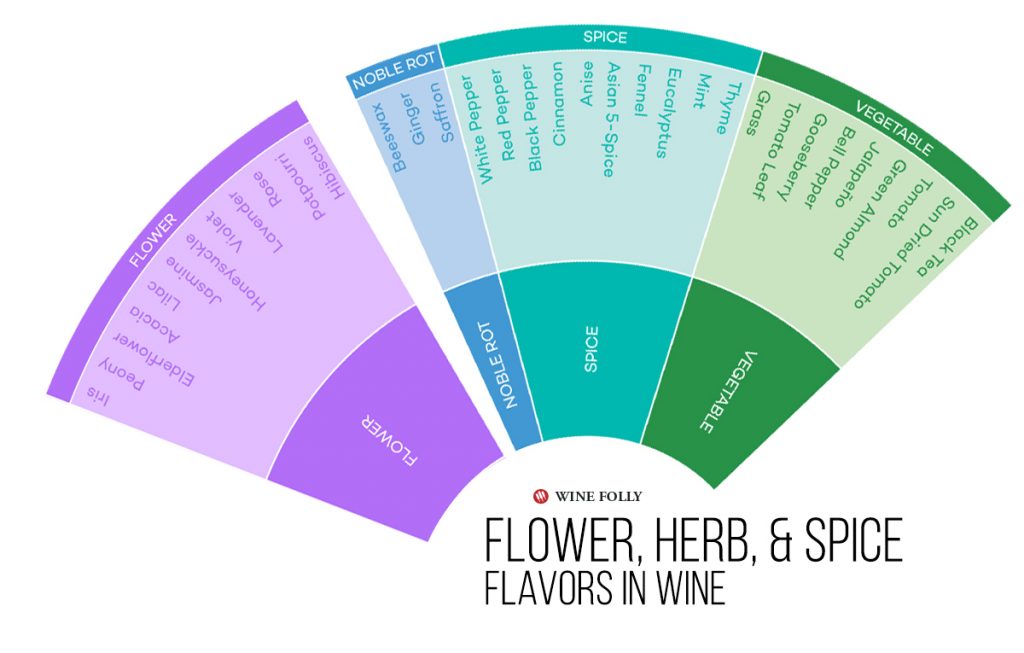
Some are loud and obvious. Others are subtle and require more attention.
Easier wines to pick out flavours:
- Sauvignon Blanc → citrus, grapefruit, herbs
- Riesling → lime, apple, sometimes a touch of sweetness
- Shiraz/Syrah → dark fruit, pepper
Harder wines:
- Old world styles (France, Italy, Spain)
- Older wines (more subtle, less fruit-forward)
- Wines with high structure (tannin/acidity can mask flavours early on)
If you’ve ever thought:
“I don’t get any of this stuff people are describing”
It might not be you. It might be the wine.
The Role of Smell (This Is the Big One)
Here’s a simple truth:
Most of what you “taste” in wine is actually smell.
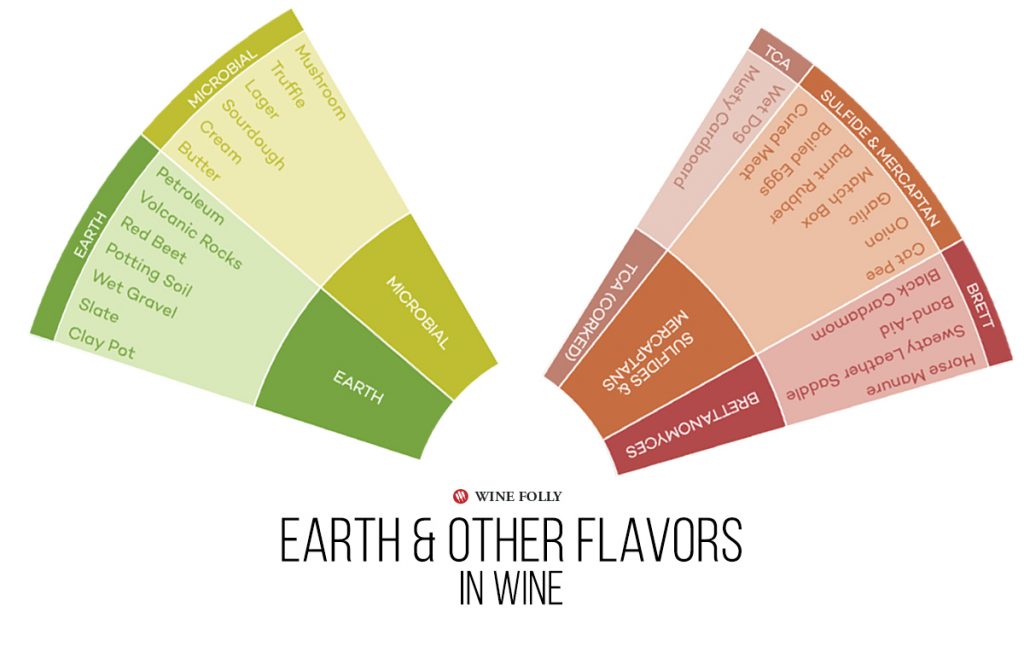
Your nose does the heavy lifting.
Try this sometime:
- Take a sip of wine
- Hold your nose
- Swallow
You’ll notice very little flavour.
Now let go of your nose and breathe out…
Boom. Flavours show up.
That’s because aroma compounds travel up to your nasal cavity (called retronasal olfaction, if you want to sound smart at a dinner party).
So when we talk about “tasting notes,” we’re mostly talking about aromas your brain is interpreting as flavour.
Where Wine Descriptions Go Off the Rails
Let’s be honest—wine language can get a bit absurd.
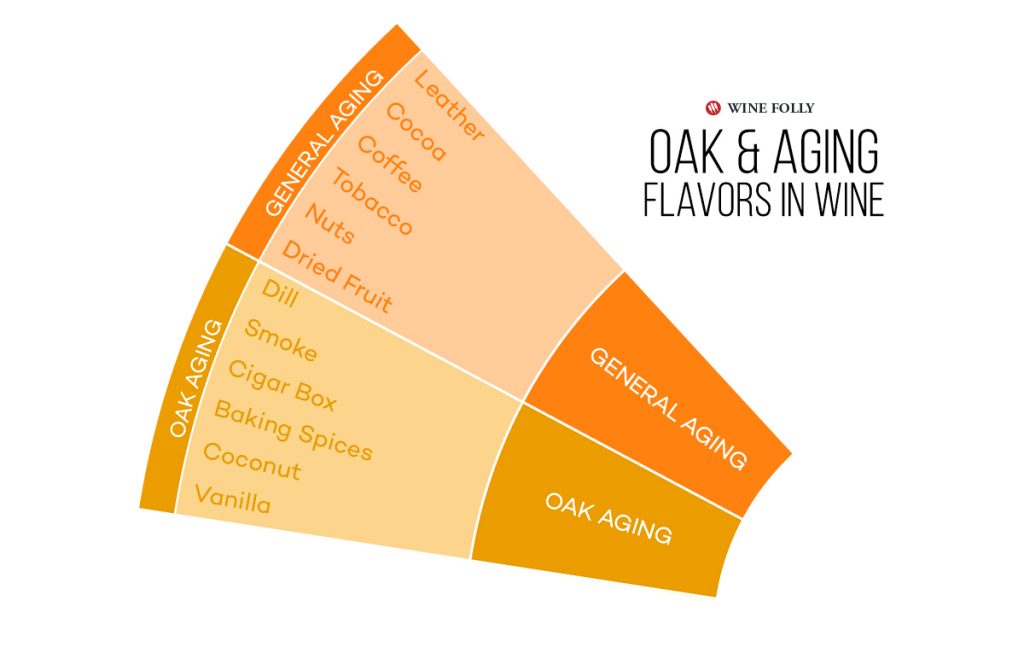
You’ll see things like:
- “Hints of saddle leather”
- “Forest floor after rain”
- “A whisper of dried fig wrapped in cedar”
At some point, we’ve left reality and entered creative writing.
Here’s what’s actually happening:
- People are trained to identify patterns and name them
- The industry has developed a shared language
- Some folks lean into it a little too hard
And then suddenly it feels like you need a poetry degree to order a glass of wine.
You don’t.
A Better Way to Think About Flavours
Instead of trying to pick out 12 different notes, simplify it.
Ask yourself:
- Is this light or heavy?
- Is it fresh or rich?
- Does it feel smooth or grippy?
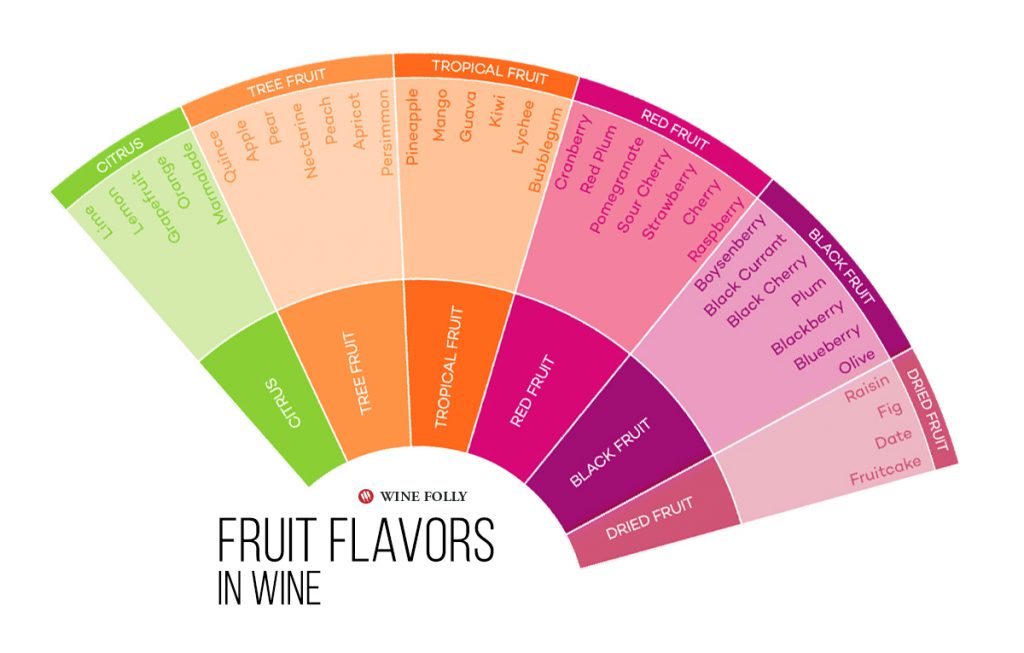
- Is the fruit more bright (citrus, red fruit) or dark (plum, blackberry)?
That’s it.
You don’t need to say “black cherry with tertiary undertones of earth.”
You can just say:
“This feels smooth and a bit darker.”
And you’re absolutely correct.
Why Training Your Palate Actually Works
Even though wine language can be over the top, there is value in learning to recognize aromas.
Because like anything else:
The more you pay attention, the more you notice.
Think about it like music.
At first, you just hear the song.
Later, you start picking out:
- The bass
- The drums
- The lyrics
- The production
Wine works the same way.
You’re not “making things up”—you’re getting better at noticing.
But Let’s Not Pretend This Is a Test
This is where wine culture loses people.
It starts to feel like:
- You should be identifying specific notes
- You should be right
- You should be able to explain it
Nope.
As I’ve said before (and will keep saying because it matters):
If you enjoy the wine, it’s good wine
That’s the whole game.
Everything else—aromas, notes, structure—is just context that can help you:
- Find wines you like faster
- Understand why you like them
- Talk about them a little more confidently
But it’s not the point.
So… Is It Real or BS?
Here’s the honest answer:
Flavours and aromas in wine are absolutely real.
They come from actual compounds and are shaped by real processes.
But the way we talk about them?
That can be a bit… extra.
You don’t need:
- A perfect nose
- A massive vocabulary
- Or the ability to detect “hints of lavender in a Tuscan breeze”
You just need to pay attention to what you like.
The Takeaway (Keep It Simple)
Next time you have a glass of wine, try this:
- Take a quick smell (don’t overthink it)
- Take a sip
- Ask yourself:
- Do I like this?
- What does it remind me of?
- Would I have another glass?
That’s it.
If you happen to pick up some fruit or spice notes along the way, great.
If not?
You’re still doing it right.
Because wine isn’t about being impressive.
It’s about enjoying what’s in your glass—and maybe laughing a little at the guy beside you describing “subtle undertones of antique bookshelf.”
Fine Vintage Courses
If you’re curious about actually getting those flavours and aromas people talk about, the courses from Fine Vintage Ltd. in Edmonton are a game changer. Their sensory-focused classes walk you through smelling, tasting, and comparing wines in a way that finally makes things click—no pretentiousness, just practical reps that train your brain to recognize what’s in the glass. Instead of guessing (or pretending), you start to genuinely notice patterns, which makes wine way more enjoyable and a lot less confusing.