
Home wellness and recovery hacks are becoming increasingly popular as people look for simple, effective ways to support their health without constantly leaving the house. From installing a home sauna to using red light therapy, small at-home tools and routines can dramatically improve recovery, stress levels, sleep quality, and overall well-being.
The biggest benefit of home-based wellness is consistency. When recovery tools are part of your daily environment, they’re easier to use regularly — and regular use is where real benefits show up. In this article, we’ll explore practical home wellness solutions that are accessible, realistic, and designed to support both physical and mental health.
Why Home Wellness and Recovery Hacks Work
The most effective wellness routines aren’t the most complicated — they’re the ones you can maintain.
Home wellness and recovery hacks work because they:
- remove scheduling barriers
- eliminate travel time
- reduce decision fatigue
- encourage consistent recovery habits
- integrate seamlessly into daily life
Instead of relying on occasional appointments or external motivation, home wellness tools allow recovery to happen naturally and regularly.
Home Sauna Benefits for Recovery and Stress Relief
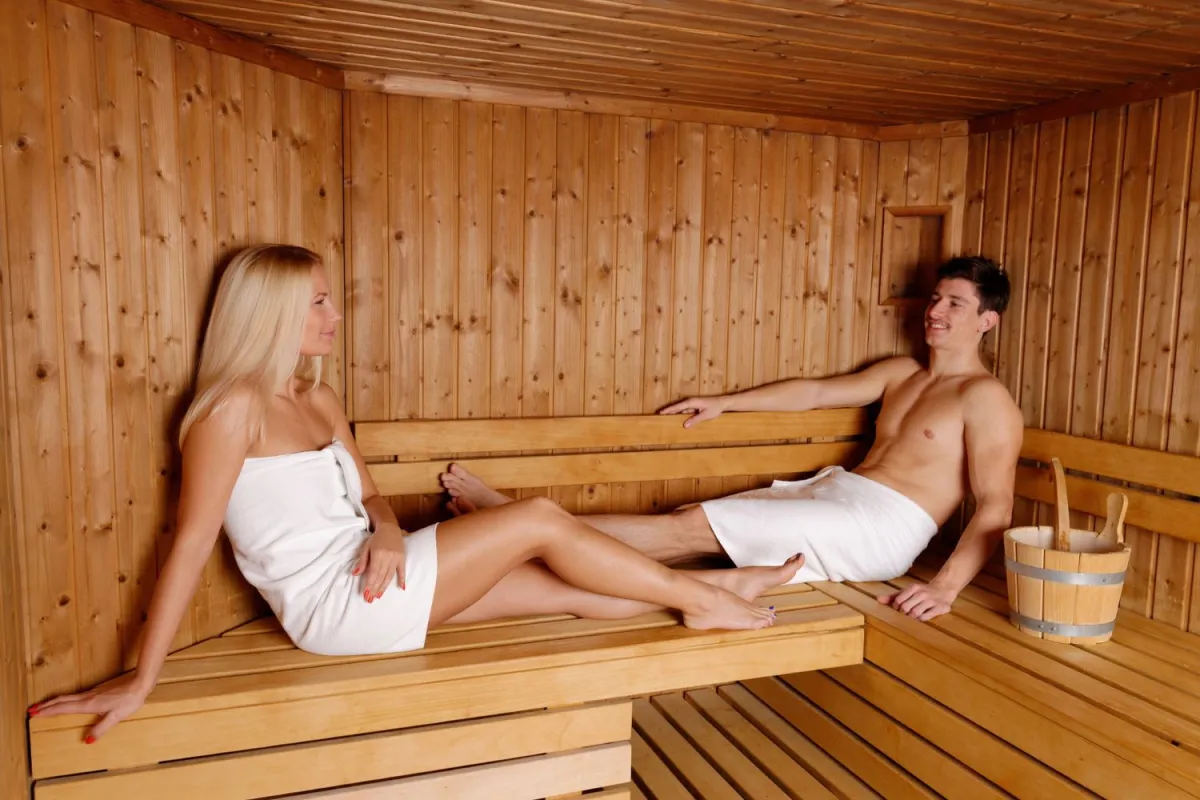
Saunas have long been used to support relaxation, circulation, and recovery, and modern home options have made them more accessible than ever. For people looking to bring heat therapy into their daily routine, companies like Black Canyon Saunas design high-quality Canadian-made saunas built for year-round home wellness — making consistent recovery possible even in colder climates.
Benefits of Regular Sauna Use
- improved circulation and blood flow
- reduced muscle tension and soreness
- stress reduction and nervous system regulation
- improved sleep quality
- support for cardiovascular health
Heat exposure encourages the body to shift into a parasympathetic (rest-and-digest) state, which is essential for recovery in today’s high-stress world.
Home Sauna Options
- Infrared saunas (lower heat, energy-efficient, popular for indoor spaces)
- Traditional dry saunas (higher heat, classic sauna experience)
- Outdoor or barrel saunas (especially popular in colder climates like Edmonton)
Even short sessions of 15–30 minutes, a few times per week, can have noticeable benefits when used consistently.
Red Light Therapy at Home: A Simple Recovery Tool
Red and near-infrared light therapy has gained attention for its ability to support cellular recovery and reduce inflammation.
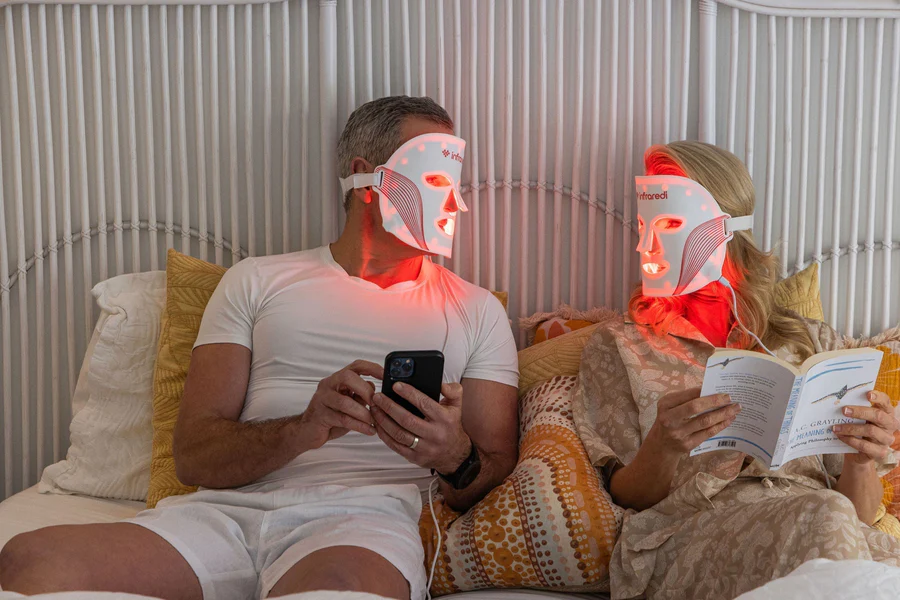
Potential Benefits of Red Light Therapy
- reduced inflammation and joint discomfort
- muscle recovery support
- improved circulation
- skin health benefits
- support for cellular energy production
Red light therapy is non-invasive and easy to integrate into existing routines.
At-Home Red Light Options
- handheld devices for targeted areas
- wall-mounted or freestanding panels
- smaller lights for joint or muscle recovery
Sessions typically last between 5–15 minutes and can be done post-workout or as part of an evening wind-down routine.
Gentle Cold Exposure Without Extreme Ice Baths
Cold exposure can improve circulation and mental resilience, but it doesn’t need to be extreme to be effective.
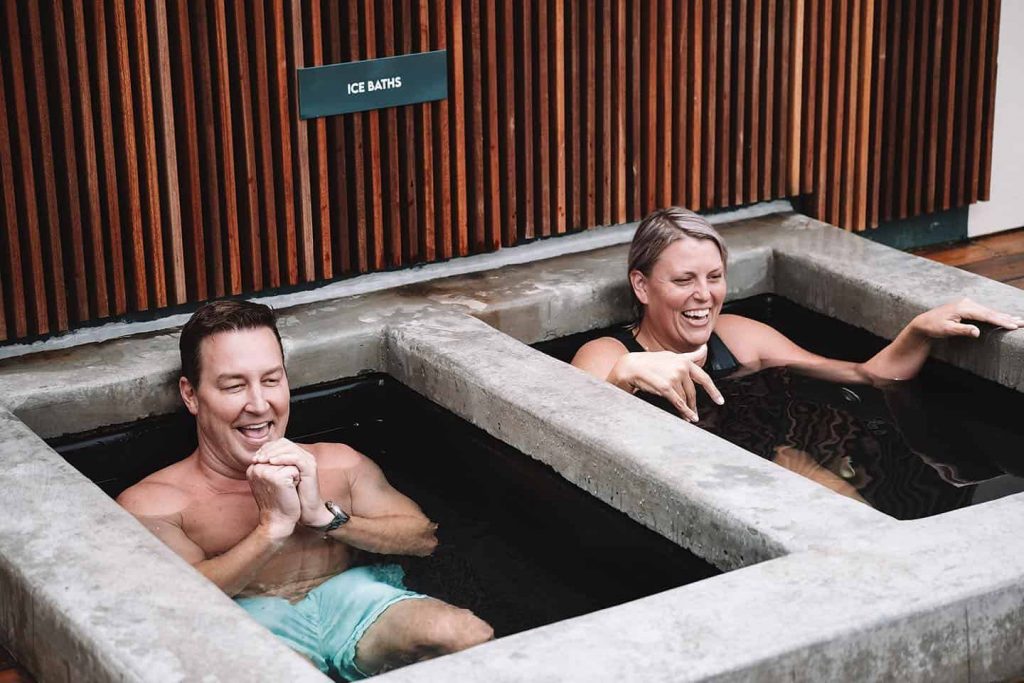
Easy At-Home Cold Practices
- finishing showers with 30–60 seconds of cool water
- cold face splashes in the morning
- alternating warm and cool water
Potential benefits include increased alertness, circulation support, and nervous system adaptability. The key is starting gently and listening to your body.
Mobility, Stretching, and Fascia Care at Home
Daily stiffness from sitting, training, or stress can build up quickly. Mobility and fascia work help counteract this and support long-term movement health.
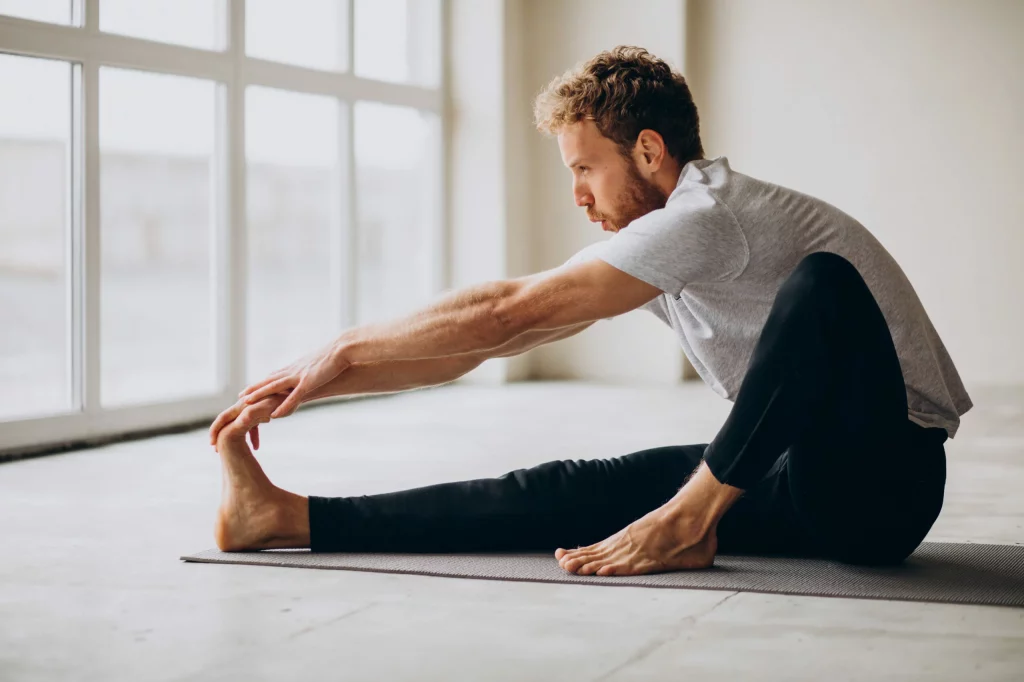
Simple Home Tools
- foam rollers
- massage balls
- yoga mats
- stretching straps
- resistance bands
Just 5–10 minutes per day can improve joint range of motion, reduce discomfort, and support better sleep.
Breathwork and Nervous System Regulation
One of the most powerful home wellness and recovery hacks doesn’t require any equipment at all: your breath.
Intentional breathing can:
- lower stress hormones
- reduce heart rate
- improve emotional regulation
- support focus and sleep
Simple Breathwork Practices
- slow nasal breathing
- longer exhales
- box breathing
- guided breathwork apps
Breathwork pairs especially well with sauna sessions, stretching, or bedtime routines.
Sleep Optimization as a Core Recovery Tool
No recovery routine works without quality sleep. Improving your sleep environment is one of the highest-impact home wellness upgrades you can make.
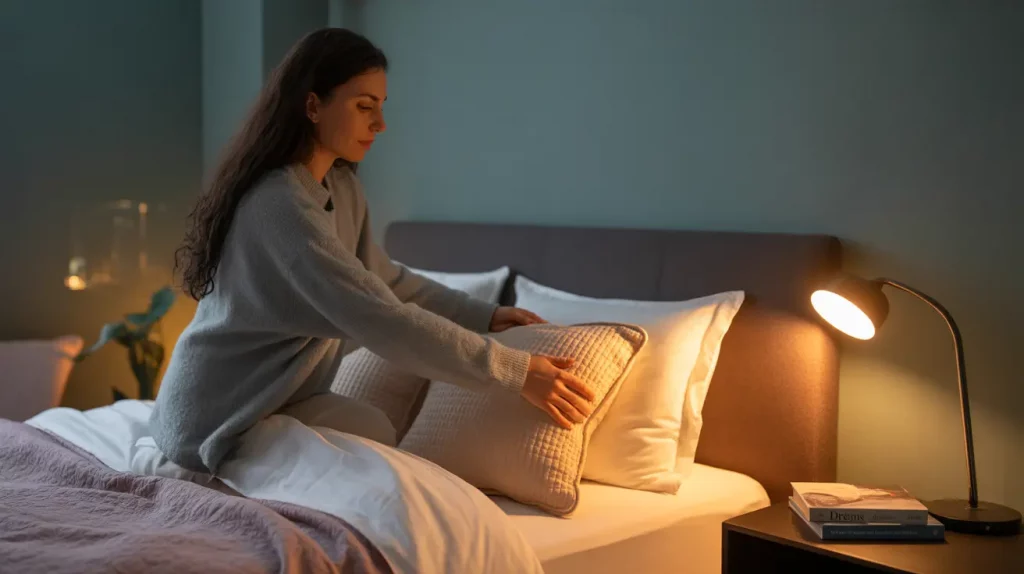
Simple Sleep Enhancements
- blackout curtains
- consistent bedtime routines
- limiting screens before bed
- cooler bedroom temperatures
- softer, warmer evening lighting
Better sleep improves energy, mood, immune function, and recovery capacity.
How Your Home Environment Impacts Wellness
Your environment plays a major role in how your nervous system responds throughout the day.
Easy Environmental Upgrades
- brighter light earlier in the day
- warmer lighting in the evening
- decluttered spaces
- indoor plants or natural elements
- a dedicated “wind-down” area
Small changes in lighting and layout can create noticeable shifts in mood and stress levels.
Nutrition and Hydration Support at Home
Recovery isn’t just physical — it’s internal.
Simple Home Nutrition Habits
- consistent hydration
- adding electrolytes when training
- prioritizing protein and fibre
- keeping nourishing snacks available
- reducing late-night caffeine
These habits amplify the benefits of all other recovery tools.
Simple Heat, Water, and Recovery Rituals
Not all home wellness and recovery hacks need to be high-tech.
Effective low-tech options include:
- warm baths or showers
- Epsom salts
- herbal teas
- contrast showers
- quiet, screen-free evenings
Ritual creates rhythm, and rhythm supports long-term wellness.
You Don’t Need Every Tool — You Need Consistency
It’s easy to assume more tools mean better results. In reality, one or two home wellness and recovery hacks used consistently will always outperform an elaborate setup that rarely gets used.
Ask yourself:
- What would I realistically use each week?
- What supports my energy and stress levels right now?
- What fits my lifestyle and space?
Build slowly and let your routine evolve.
How to Build a Home Wellness Routine Without Overwhelm
Start simple:
- choose one recovery tool
- pair it with an existing habit
- use it consistently for a few weeks
As your routine becomes second nature, you can layer in additional tools if they add value — not pressure.
Final Thoughts
Home wellness and recovery hacks aren’t about optimization or perfection — they’re about supporting your body where you live.
Whether it’s a sauna session, a few minutes of red light therapy, gentle mobility work, or intentional breathing before bed, small at-home habits compound into meaningful improvements over time.
You don’t need to outsource recovery.
You don’t need extreme routines.
You need consistency, care, and tools that fit your life.
And the most effective wellness practices often start right at home.