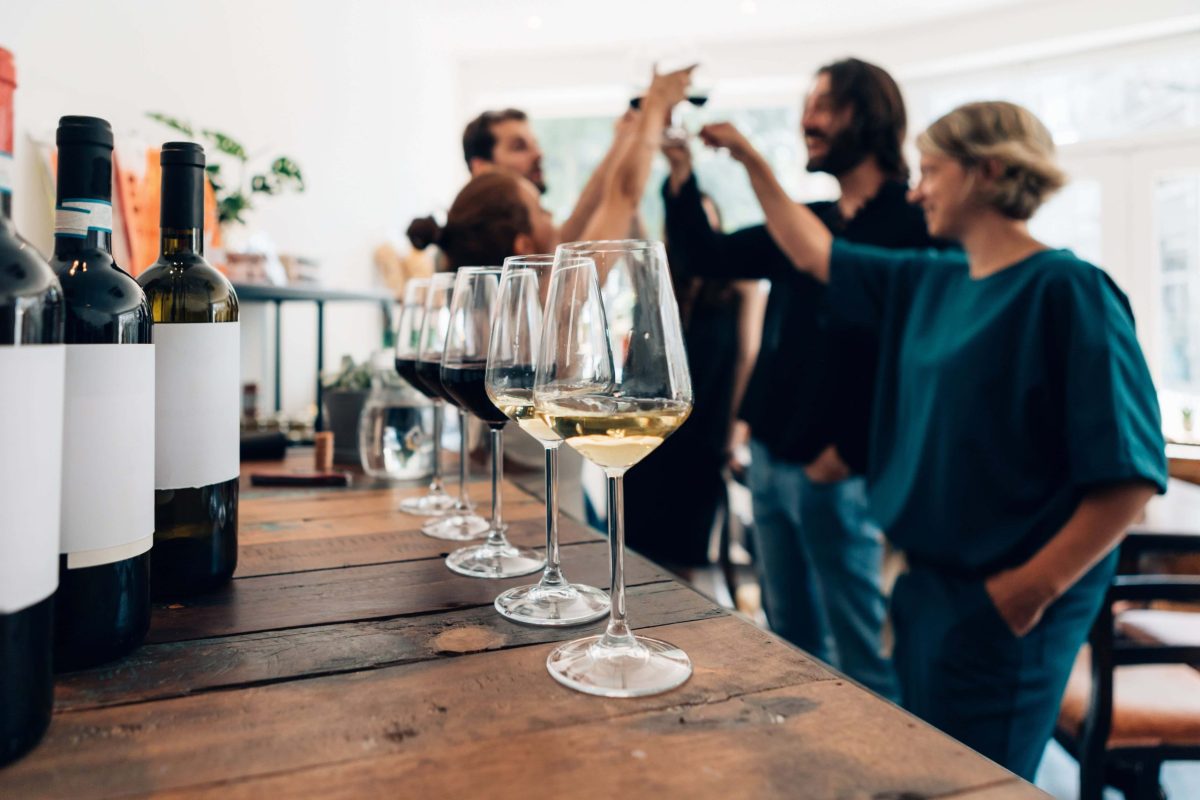

Wine tasting at home can be a lovely October plan in Edmonton: a few friends, something to eat and a reason to stay in together as evenings get colder. It can also become surprisingly complicated if the host believes everyone needs a worksheet, six glass shapes and a lecture before the first sip.
A good tasting can be much smaller. Choose a clear theme, a few manageable comparisons and an atmosphere where people can say what they think. The point is to enjoy the company and notice something about wine that might help with future choices.
Keep the gathering inclusive from the beginning. Guests can participate in the conversation without drinking, and nobody needs to explain a preference for an alcohol-free option. A thoughtful host makes the evening work for the people invited.
Choose one useful question
A theme gives the tasting direction. You might explore two different styles of the same grape, compare wines from two places or see whether a familiar bottle tastes different with food. The question should be simple enough to remember without consulting the invitation.
The WSET guide to wine types and styles distinguishes characteristics such as colour, sweetness and body. Those are useful starting points for a comparison. You do not need to cover every characteristic in a single evening.
Try a question that matters to your guests. If people usually buy crisp whites, exploring two contrasting white styles may be more useful than a complex regional survey. If everyone is curious about a particular grape, begin there. Interest is a better organising principle than prestige.
Keep the bottle list short
Two bottles can provide a comparison. Three may suit a slightly broader theme, provided the group and tasting amounts make sense. More bottles do not automatically create a better evening. They create more decisions, more open wine and more pressure to keep tasting.
Decide who is buying and set a comfortable budget. You can share the cost or ask each interested guest to contribute to the same plan. Avoid a vague instruction to bring something good; that can create unnecessary uncertainty about price and expectations.
If guests bring bottles, coordinate enough to support the theme. Leave room for a surprise without requiring every wine to become part of the tasting. A gift bottle can remain unopened for the host to enjoy another time. There is no obligation to finish everything that arrives.
Prepare a table people can use comfortably
Clean glasses, water and enough space for food are the essentials. If everyone has two glasses, comparison may be easier, but do not buy a collection just for that purpose. You can taste one wine at a time and use brief notes to remember impressions.
Arrange a place for guests to pour away wine they do not wish to drink. Make spitting a normal option if people want to focus on assessment. Neither practice needs an announcement about anyone’s habits. Keep the supplies visible and the atmosphere matter-of-fact.
Avoid strongly scented candles or other distractions if you want guests to notice aromas. The room can still feel welcoming. Comfortable seating and an uncluttered table do more for the experience than decorations that compete with everything in the glass.
Make tasting amounts intentional
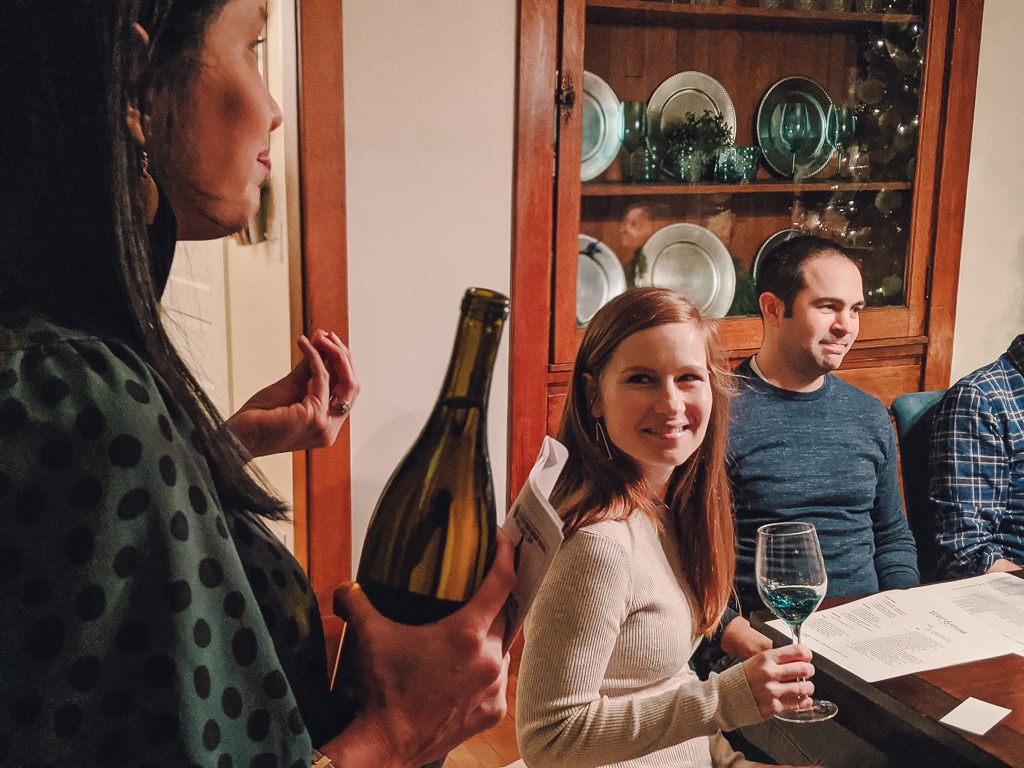
Use small pours and do not top up glasses automatically. A comparison needs enough to smell and taste, rather than a restaurant-sized serving of every bottle. Guests should be able to stop at any point without drawing attention.
Health Canada’s explanation of standard drinks identifies 142 millilitres of wine at 12 percent alcohol as one Canadian standard drink. A higher-alcohol wine contains more alcohol at the same volume. Small pours still contribute to the total, so several samples should not be treated as though they do not count.
Offer food and water, while avoiding any suggestion that they remove alcohol-related risk or make someone fit to drive. Guests who drink should arrange safe transportation. Keep the focus on the tasting experience rather than the amount consumed.
Use plain-language observations
Invite everyone to notice a few things: what they smell, whether the wine seems sweet or dry, how it feels in the mouth and whether they enjoy it. You can give people a simple prompt without turning the conversation into a quiz.
Let guests answer honestly. Fresh, sharp, soft or richer than expected can all be useful descriptions. If someone cannot identify a fruit aroma, that does not prevent them from knowing whether they would buy the bottle again.
Try tasting before revealing prices, if everyone agrees. The comparison may help people notice how expectations influence their choices. Treat the result as an interesting conversation, not proof that price never matters or that anyone’s preference is wrong.
Add food without making a pairing examination
Serve manageable food that fits your budget and the guests’ needs. You might choose a few simple snacks or make the tasting part of a meal. Ask about allergies and dietary requirements before shopping, and provide clear ingredient information where possible.
If you are exploring a food comparison, try the wine first and then taste it after a bite. Ask what changed for each person. You may find that different guests prefer different combinations. That is part of the value of the exercise.
Do not require everyone to repeat a pairing they dislike. The point is curiosity. A guest can enjoy the food with water or another drink and still be part of the evening. Hospitality is more important than completing the planned sequence.
Let alcohol-free choices share the table
Offer a drink you have chosen thoughtfully, rather than leaving non-drinkers to discover a jug of water after asking. It might be a favourite sparkling beverage, an alcohol-free option or a tea suited to the food. Keep it as easy to access as the wine.
You can include an alcohol-free comparison if guests want one, or simply let people enjoy their preferred drink. Do not ask anyone to defend the choice. Avoid assuming that participation in a wine-themed gathering implies an intention to drink alcohol.
Canada’s Guidance on Alcohol and Health supports drinking less to reduce risk. A smaller tasting, or choosing not to drink, can fit comfortably within an evening built around friendship and curiosity.
Finish with something people can remember
Take a photograph of the bottles and share the names with interested guests. Keep any notes brief: the wine, the style and whether you would choose it again. That information is useful the next time someone faces an unfamiliar shelf or restaurant list.
Then let the tasting become an ordinary evening. Talk, eat and enjoy the company. You do not need to award a winner or settle every disagreement. A relaxed wine tasting succeeds when people leave with a little more understanding and the feeling that they were welcome at your table.