
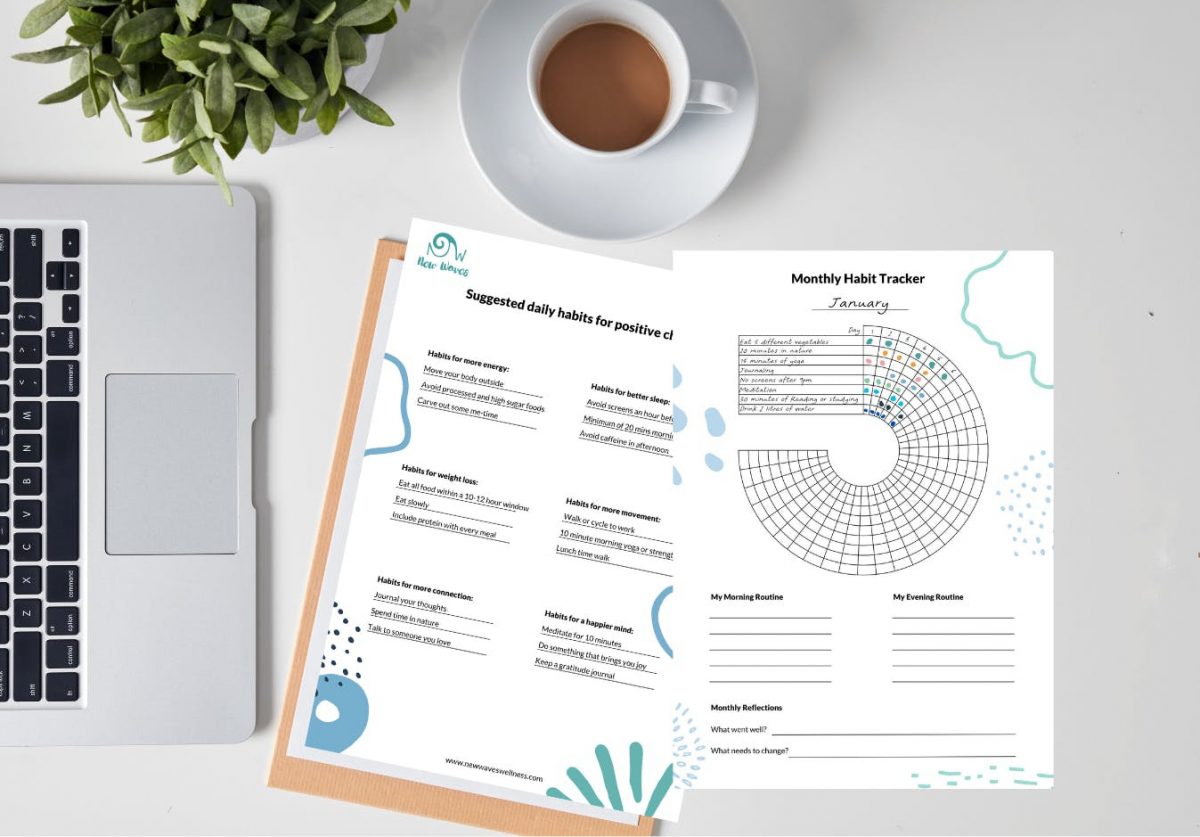

There is something deeply unsexy about small daily habits.
They don’t photograph well.
They don’t trend.
They don’t come with a 30-day transformation graphic.
But if you zoom out far enough — months, years, decades — small daily habits quietly become the architecture of a healthy life.
And if there’s one thing we’ve learned through building a wellness community in Edmonton, it’s this: health isn’t built in January. It’s built on Mondays in March.
Not during a challenge.
Not during a detox.
Not during a burst of motivation.
But in the ordinary repetition of simple things done consistently.
Why Big Changes Rarely Stick
Most people don’t struggle with knowing what to do. They struggle with doing too much at once.
A new workout plan.
A new diet.
A new morning routine.
A new supplement stack.
And three weeks later? Exhaustion.
Large changes demand willpower. Small habits demand structure. And structure is far more reliable than motivation.
When you reduce health to a few daily non-negotiables, you remove the emotional drama. You stop negotiating with yourself. You stop waiting to “feel like it.”
You simply show up.
The 5 Small Habits That Quietly Change Everything
You don’t need 25 habits. You need a few anchors.
1. Ten Minutes Outside
Edmonton winters are long. Our nervous systems feel it. Our circadian rhythms feel it.
Ten minutes of natural light — even on a cold day — helps regulate sleep, mood, and energy. It lowers stress hormones and gently resets your brain.
You don’t need a 5km run. You need daylight.
A walk in the river valley. A loop around your block. Standing outside with your coffee instead of scrolling.
Tiny exposure. Big payoff.
2. Strength Twice Per Week
Muscle is insurance. It protects your joints. It protects your metabolism. It protects your independence as you age. You don’t need an extreme program. Two full-body sessions per week — even 30–40 minutes — is enough to create meaningful long-term change.
Most of our community exercises multiple times per week already. The key isn’t more volume. It’s consistency.
Think long game.
3. A Consistent Bedtime (Boring, I Know)
Sleep is the least glamorous and most powerful performance enhancer available.
You can out-train a bad week.
You cannot out-train chronic sleep deprivation.
A consistent bedtime anchors everything:
- Hormones
- Hunger cues
- Recovery
- Emotional regulation
- Focus
It doesn’t require discipline so much as boundaries. Turn the phone off. Dim the lights. Repeat nightly.
Small ritual. Massive compound effect.
4. One Intentional Conversation Per Day
Wellness is not just physical. It’s relational.
Connection lowers stress markers. It increases resilience. It builds belonging — something that sits at the core of what we believe health should feel like.
This could be:
- A coffee without phones
- A walk with a friend
- A real conversation with your partner
- Checking in on someone who’s been quiet lately
One meaningful exchange per day shifts how your nervous system experiences the world.
5. Hydration Before Caffeine
Before the espresso machine fires up — water.
It sounds simple because it is. After 7–8 hours of sleep, your body is mildly dehydrated. Starting the day with water supports digestion, energy, and cognitive function.
This is not biohacking.
This is basics.
And basics win.
The Science of Compounding
Small habits work because they reduce friction.
When friction is low:
- You repeat the action.
- Repetition builds identity.
- Identity sustains behavior.
You stop being someone “trying to get healthy.”
You become someone who walks daily.
Someone who lifts twice a week.
Someone who goes to bed on time.
The identity shift is subtle — but powerful.
And it doesn’t require a personality transplant. It requires consistency.
The Edmonton Advantage
There is something uniquely powerful about building habits in community.
We are not a city of extremes. We are a city of resilience. Snowy sidewalks. Early darkness. Long winters. And yet, 92% of our audience exercises at least twice per week.
That’s not hype. That’s culture.
Small habits thrive in communities where movement is normal. Where wellness is accessible. Where fitness isn’t about elite performance — it’s about showing up.
Health becomes less about aesthetics and more about participation.
Why This Matters More Than Ever
We live in a world that constantly asks us to upgrade. New routines. New programs. New apps. New wearables. But health rarely needs upgrading. It needs simplifying.
The quieter your habits, the longer they last.
Ten minutes outside.
Two lifts per week.
A consistent bedtime.
One meaningful conversation.
Water before coffee.
No dramatic announcements required.
The Real Power Is Boring
If you zoom out five years, these habits don’t look small.
They look like:
- Stable energy
- Strong joints
- Deep friendships
- Lower stress
- Sustainable fitness
Not because of a breakthrough moment — but because of repetition.
The quiet power of small daily habits is that they don’t feel transformative while you’re doing them. They feel ordinary. And that’s the point.
Health isn’t built in a moment of motivation.
It’s built in the ordinary.