
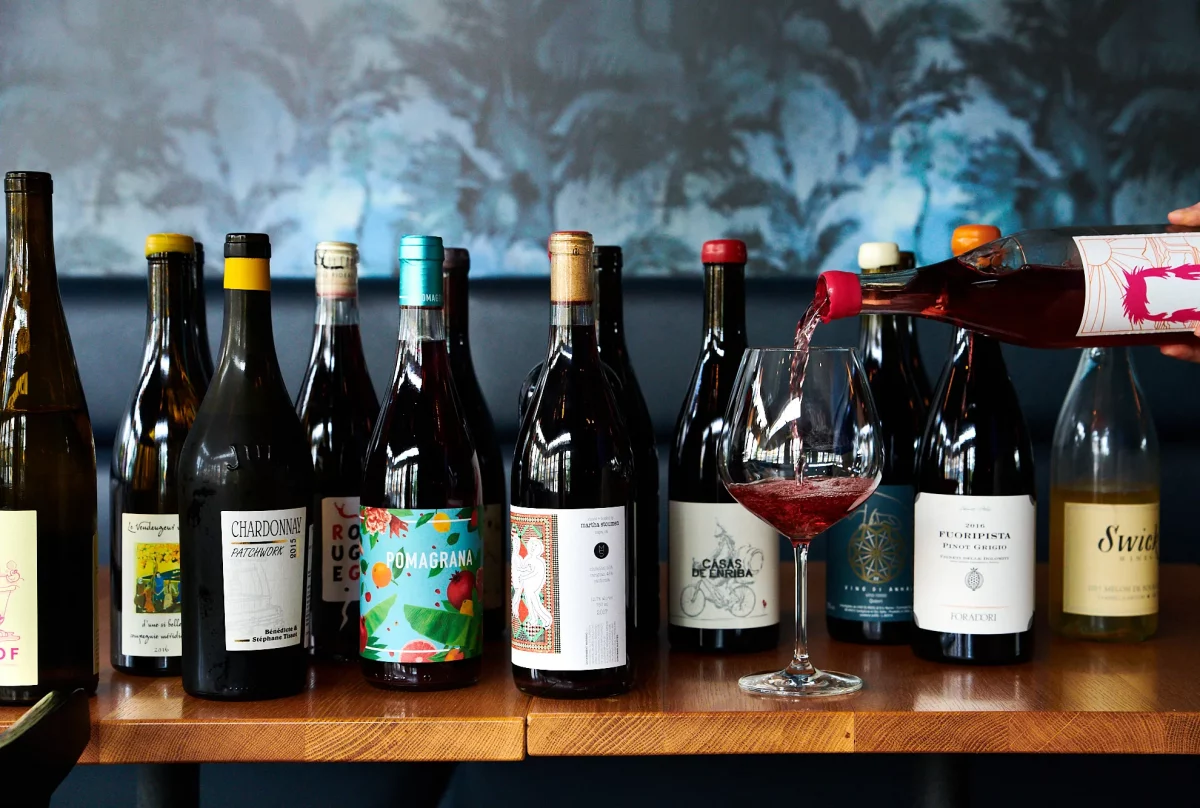

Natural wine is one of those wine terms that gets thrown around a lot—often with strong opinions attached. For some people, it means exciting, alive, and interesting. For others, it means cloudy bottles and flavours they didn’t quite expect.
So what is natural wine? Is it a trend? A philosophy? A vibe?
Short answer: it’s more about how wine is made than how it tastes.
Long answer: let’s break it down in a way that actually makes sense.
What Makes a Wine “Natural”?
There’s no single global legal definition of natural wine, which is part of the confusion. But most natural wines share a few core principles:
- Grapes grown organically or biodynamically (no synthetic pesticides or herbicides)
- Hand-harvested fruit
- Native yeast fermentation (using the yeast already present on the grapes and in the winery)
- Minimal intervention in the cellar
- Little to no added sulphites (especially at bottling)
Think of natural wine as wine made with a lighter touch—less correction, less manipulation, and more trust in the fruit and place it comes from.
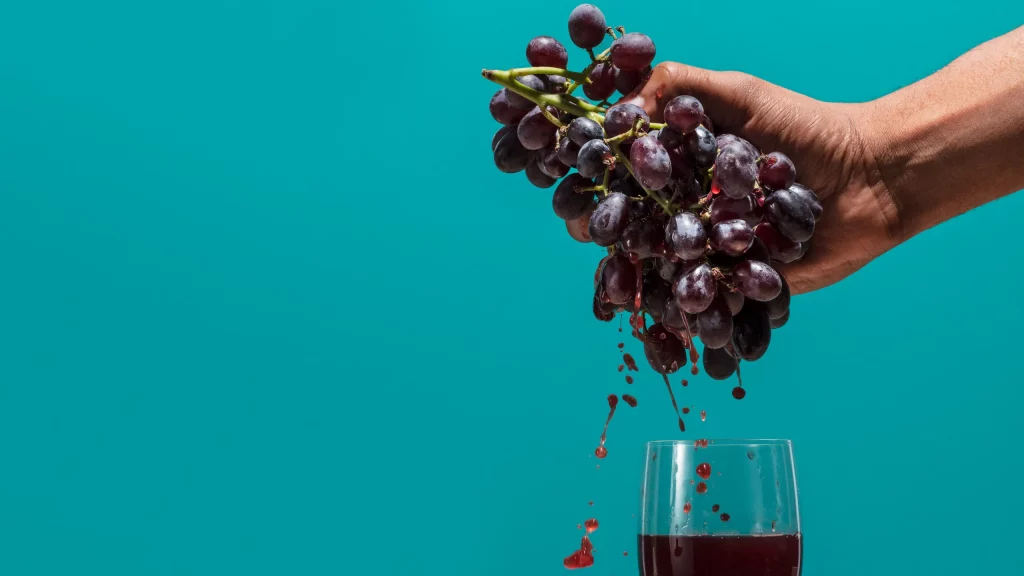
How Natural Wine Is Grown (It Starts in the Vineyard)
Most natural wines begin with healthy vineyards, because when you’re not relying on additives later, the grapes need to be in good shape from the start.
Common practices include:
- Organic or biodynamic farming
- Cover crops and biodiversity
- Lower yields for better concentration
- Emphasis on soil health and long-term sustainability
This isn’t about perfection—it’s about balance. The goal is grapes that reflect where they’re grown, not grapes engineered to taste the same every year.
How Natural Wine Is Fermented
This is where natural wine really separates itself from conventional winemaking.
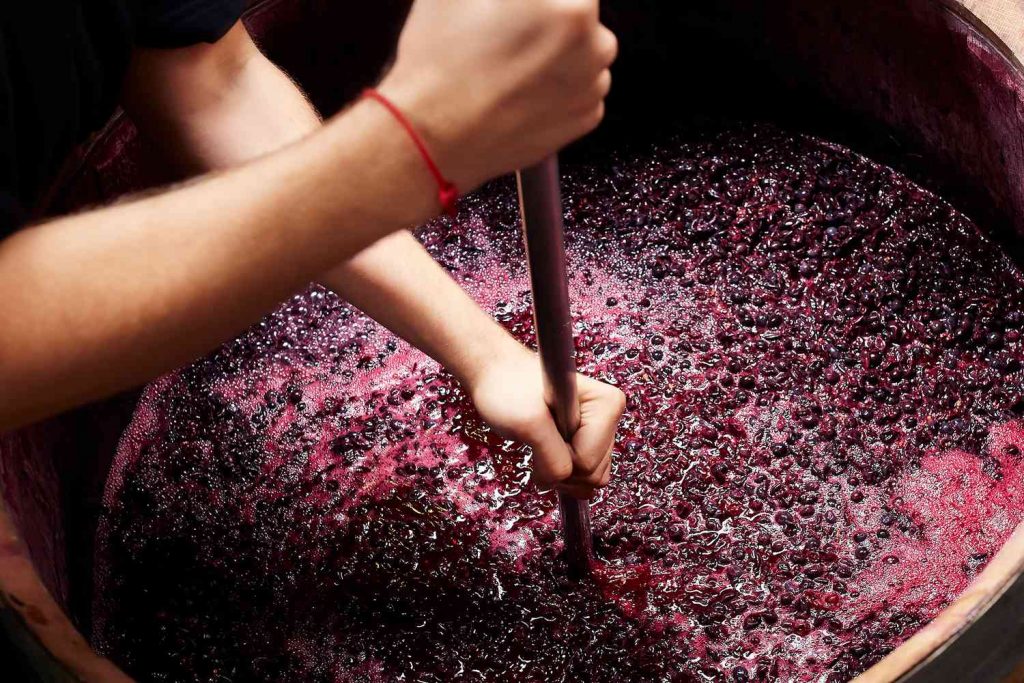
Instead of adding commercial yeast (designed to create specific flavours), natural wines typically ferment with wild, native yeasts. Fermentations may happen in:
- Old barrels
- Concrete tanks
- Stainless steel
- Amphora (clay vessels)
There’s usually:
- No heavy fining or filtration
- Minimal temperature control
- Fewer adjustments along the way
This can make natural wine feel more unpredictable—but also more expressive.
What Does Natural Wine Taste Like?
This is the big question—and the honest answer is: it depends.
Natural wine is not a single style. It can be:
- Fresh and bright
- Savoury and earthy
- Juicy and fruit-forward
- Textural and slightly funky
You might notice:
- Lower alcohol
- Higher acidity
- Slight cloudiness
- A more “alive” feeling in the glass
And yes—sometimes flavours that surprise you. But when done well, natural wine isn’t weird for the sake of being weird. It’s simply less polished and more transparent.
Is Natural Wine Better for You?
Natural wine isn’t a health product—but many people find it:
- Easier to drink
- Less heavy
- More enjoyable in moderation
Because it’s often lower in alcohol and additives, some drinkers say they feel better the next day. Results may vary—but the focus is usually on drinkability, not excess.
Why People Are Drawn to Natural Wine
Natural wine appeals to people who care about:
- Where their food and drink comes from
- Sustainability and farming practices
- Small, family-run producers
- Wines that feel personal, not mass-produced
It fits neatly into a broader shift toward intentional consumption—choosing quality, story, and connection over sameness.
Natural Wine in Edmonton: Garneau Block
Edmonton is lucky to have Garneau Block, a local wine agency focused on importing natural, biodynamic, and low-intervention wines from sustainable, family-run wineries around the world.
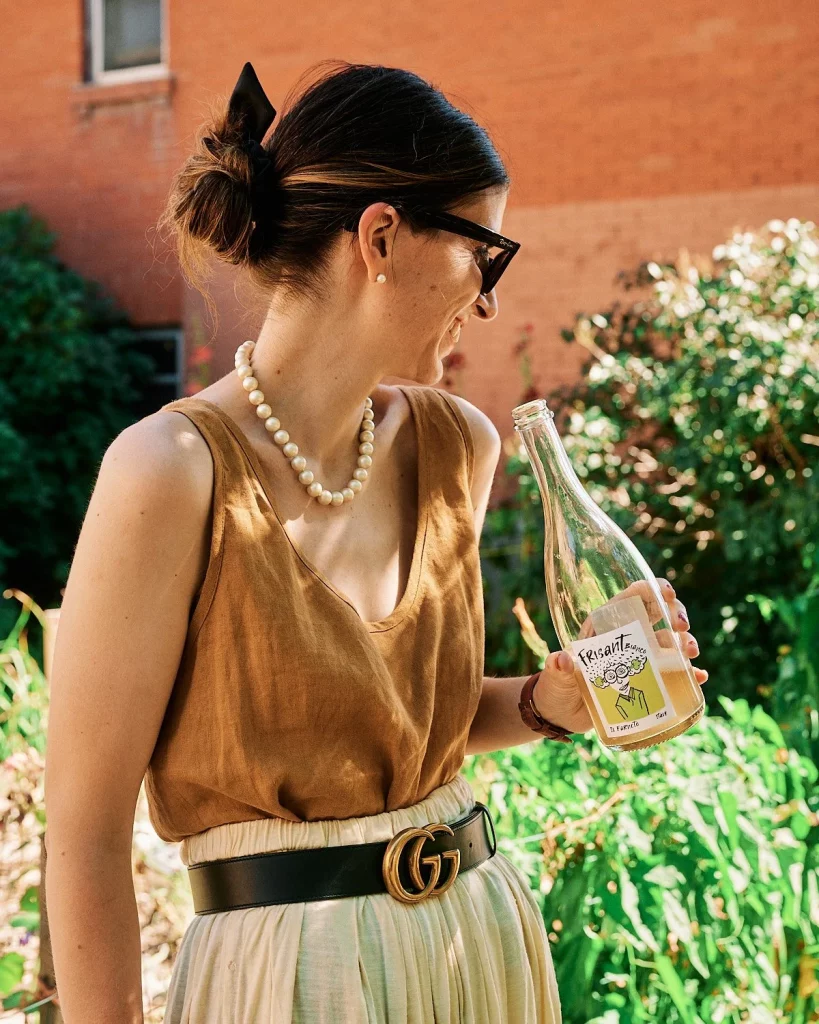
Garneau Block works with producers who prioritize:
- Responsible farming
- Minimal cellar intervention
- Authentic expression of place
Their portfolio isn’t about trends or hype—it’s about wines that feel honest, approachable, and thoughtfully made. If you’ve enjoyed a natural wine at a local Edmonton restaurant or wine bar and thought, “Huh, that was different—but good,” there’s a decent chance Garneau Block had a hand in bringing it here.
The YEG Thrive Take
Natural wine isn’t about rules or purity tests. It’s about curiosity.
Some bottles will surprise you. Some will become favourites. And some will teach you more about your own taste than any perfectly polished wine ever could.
If you’re open to trying something a little less predictable—and a little more human—natural wine is worth exploring. Start with a trusted shop or restaurant, ask questions, and let the wine do what it’s meant to do: spark conversation.
That’s kind of the point.