
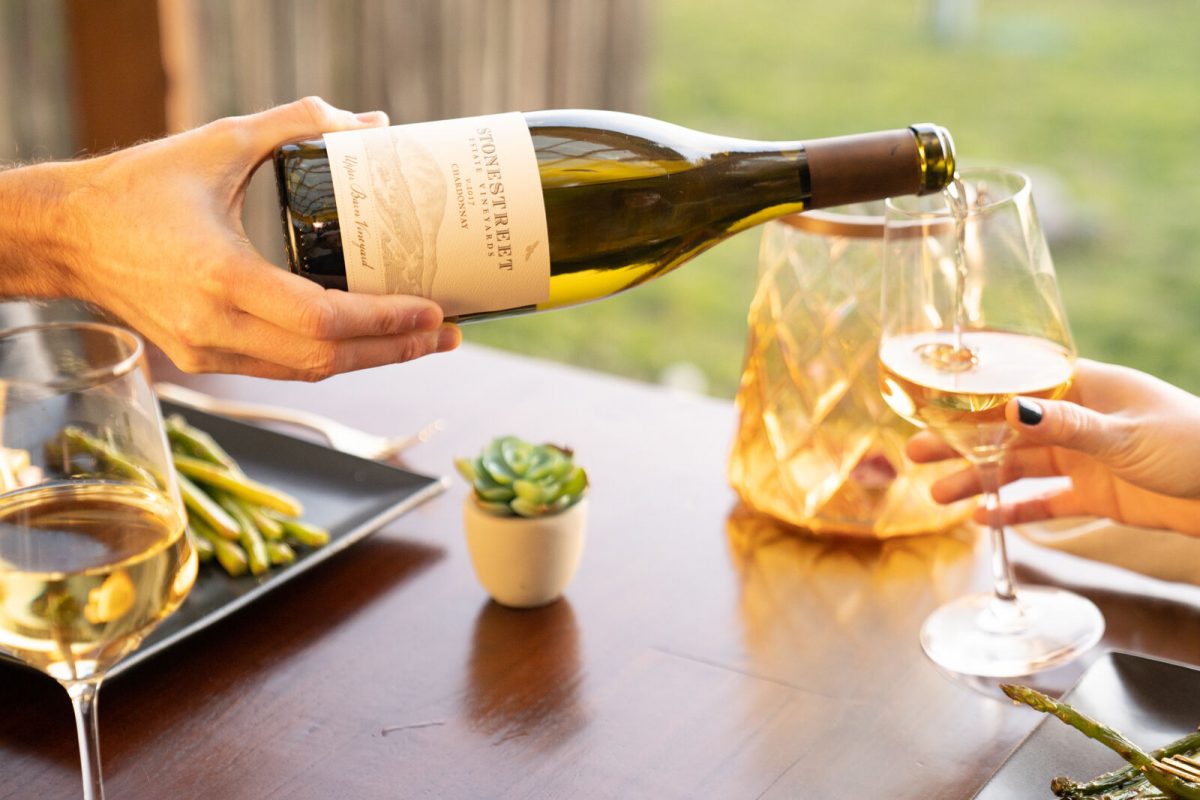

Chardonnay wine styles are far more diverse than their reputation suggests, yet many people still associate the grape with heavy oak and butter.
For years, saying “I don’t like Chardonnay” became a personality trait. Somewhere between the late ’90s and early 2000s, Chardonnay went from the wine to drink to the wine people loved to hate. Too buttery. Too heavy. Too much oak. Too… something.
And yet, those same people will happily say they love Chablis, or rave about a crisp white from Burgundy, or order a glass of something mineral and elegant—while quietly ignoring the fact that it’s all Chardonnay.
So what happened?
How Chardonnay Became the Most Misunderstood Grape
Chardonnay’s biggest strength is also its biggest curse: it’s incredibly adaptable. It grows almost anywhere, reflects winemaking choices clearly, and can taste wildly different depending on climate and technique.
These chardonay wine styles became popular in the 1990s:
- Heavy oak
- Full malolactic fermentation
- Rich, buttery, vanilla-laden styles
Those wines were popular, bold, and unapologetic—but they also burned a lot of people. Chardonnay became shorthand for “too much,” and instead of blaming a style, people blamed the grape.
Classic case of mistaken identity.
“I Love Chablis… I Just Don’t Like Chardonnay”
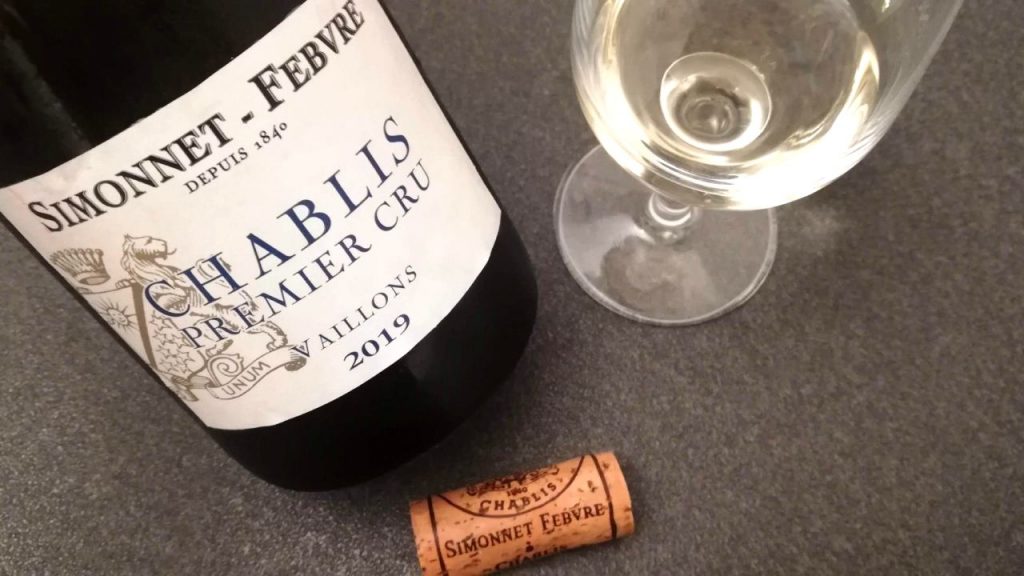
This is one of the most common wine contradictions out there.
Chablis is 100% Chardonnay. Always has been. The difference is where it’s grown and how it’s made.
Chablis is typically:
- Cool climate
- Minimal oak or none at all
- High acidity
- Lean, mineral, citrus-driven
So when someone says, “I like Chablis but not Chardonnay,” what they really mean is:
I like cool-climate, restrained Chardonnay—and I don’t like heavily oaked styles.
That’s not being picky. That’s just learning your preferences.
The Chardonay Wine Styles That Shaped Its Reputation
Unlike many grape varieties, Chardonnay is often not named on the label, especially in Europe. Instead, the wine is named after its region.
Some common examples:
- Chablis (France) – Chardonnay
- Meursault (France) – Chardonnay
- Puligny-Montrachet (France) – Chardonnay
- Mâcon-Villages (France) – Chardonnay
These wines don’t avoid the word “Chardonnay” because they’re embarrassed. They do it because in places like Burgundy, the region is the identity. The grape is assumed knowledge.
Ironically, many people who swear off Chardonnay love these wines—because they aren’t mentally bracing themselves for butter and oak before the first sip.
It’s Not the Grape. It’s the Style.
Today’s Chardonay wine styles are far more balanced. Chardonnay can be:
- Crisp and mineral
- Fresh and citrus-driven
- Textural and creamy
- Rich and powerful
That range is exactly why it’s used for everything from Chablis to Champagne to big California whites. Writing off Chardonnay entirely is like saying you don’t like music because you once heard a bad song.
The smarter move? Learn which style you like:
- Cool climate (France, Germany, parts of Canada): fresher, brighter
- Warm climate (California, Australia): riper, fuller
- Unoaked or lightly oaked: clean and crisp
- Heavily oaked: rich and bold
Once you know that, Chardonnay stops being intimidating and starts being useful.
Why Chardonnay Is Quietly Making a Comeback
Wine culture has shifted. People are drinking more thoughtfully, pairing wine with food, and caring less about trends and more about balance.
That’s brought Chardonnay back—just in better, more restrained forms:
- Less oak
- More freshness
- Better site expression
The grape never needed fixing. Our expectations did.
Chardonnay for People Who “Don’t Like Chardonnay”
Yes, it exists — and it’s probably what you’ve been looking for all along.
If oak and butter are what turned you off Chardonnay, the solution isn’t avoiding the grape — it’s choosing cool-climate, low-oak expressions that highlight freshness, acidity, and texture instead of heaviness. These Chardonnays are crisp, balanced, and food-friendly, and they tend to convert even the most committed Chardonnay skeptics. Our favourite resource for learning all things Chardonnay can be found on Wine Folly.
Great bottles to look for:
Chablis (Crisp, Mineral, Unoaked)
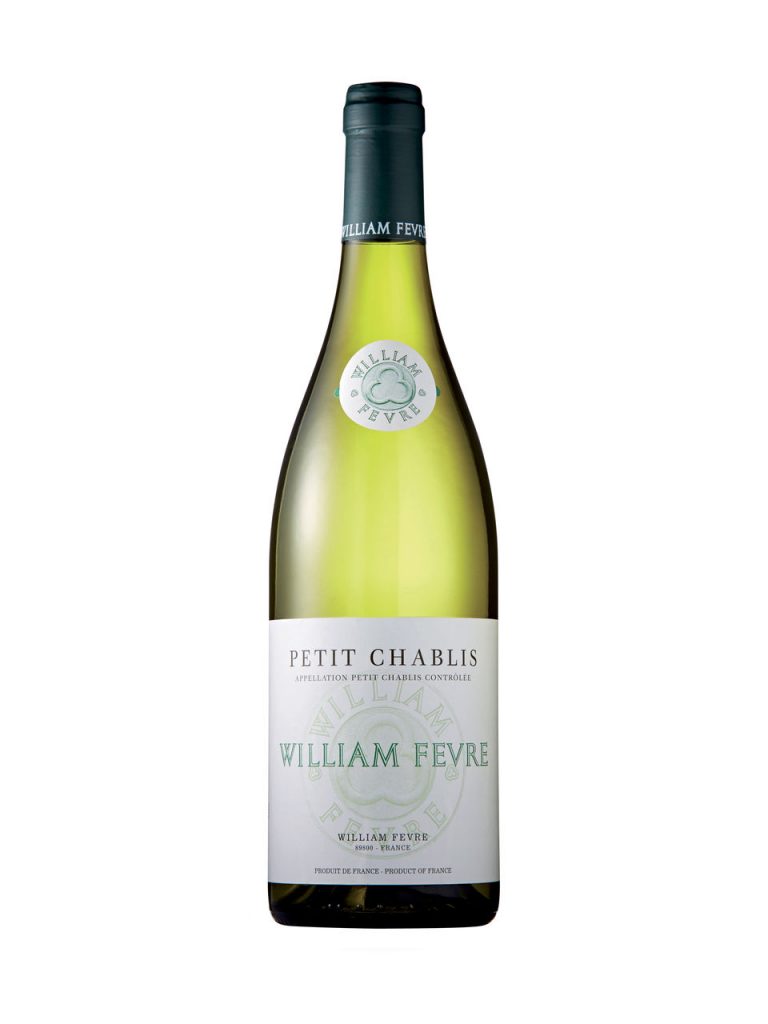
- William Fèvre Chablis
A textbook example of why Chablis lovers are secretly Chardonnay lovers. Clean, citrusy, and mineral-driven with zero oak distraction. If someone says they don’t like Chardonnay, this is the glass you pour first.
Bourgogne Blanc (Balanced, Lightly Oaked or Neutral)
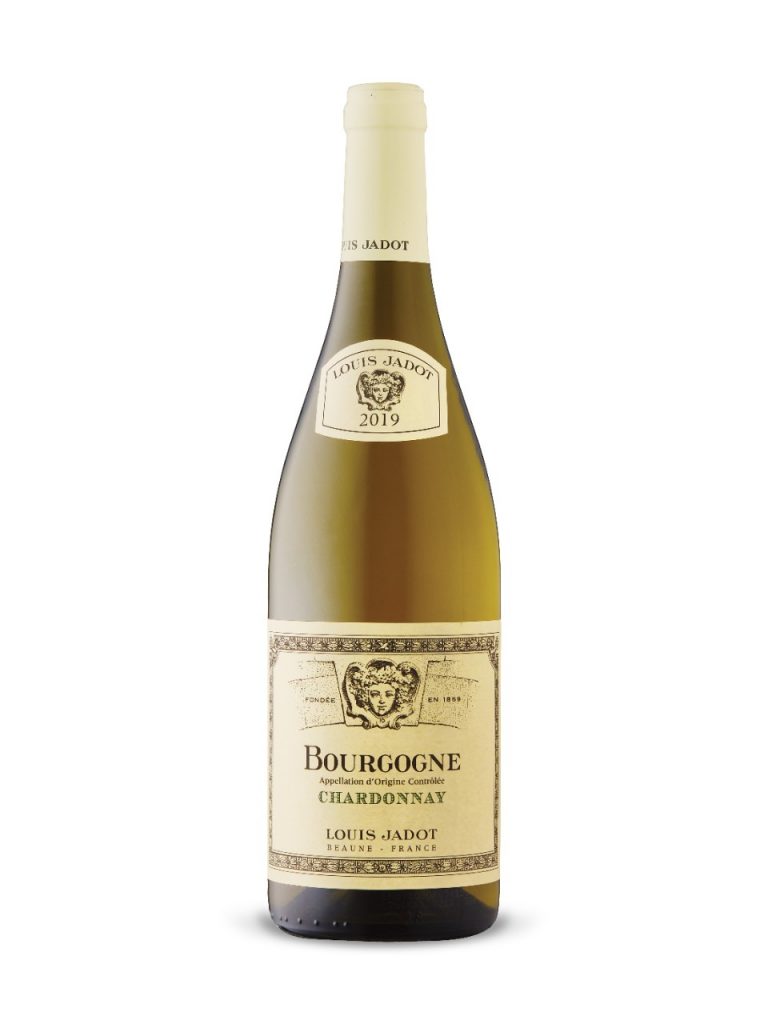
- Louis Jadot Bourgogne Blanc
Fresh, elegant, and very food-friendly. Any oak is subtle and supportive, not showy. A great introduction to Burgundy Chardonnay without intensity or heaviness.
Mâcon-Villages / Mâcon-Chardonnay (Soft but Still Fresh)
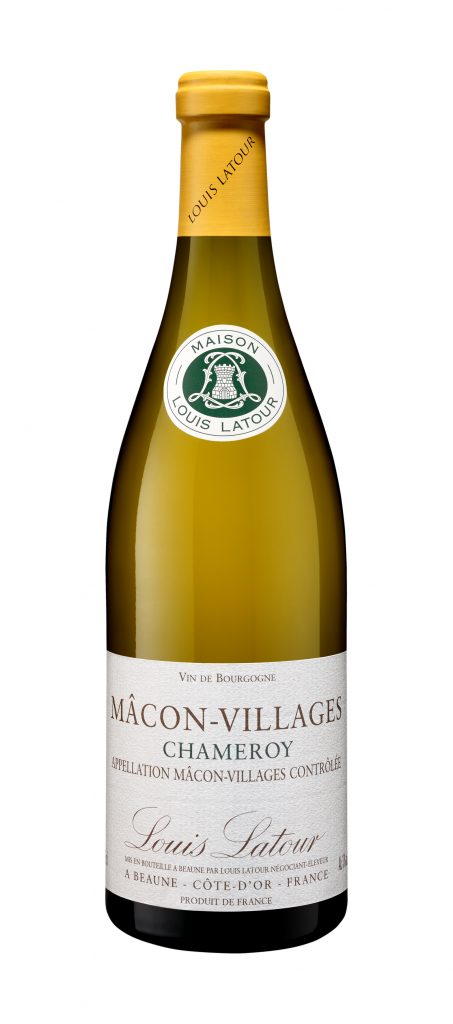
- Louis Latour Mâcon-Villages
Slightly rounder than Chablis but still clean and restrained. Think apple, citrus, and gentle texture — approachable without being buttery.
Canadian Cool-Climate Chardonnay
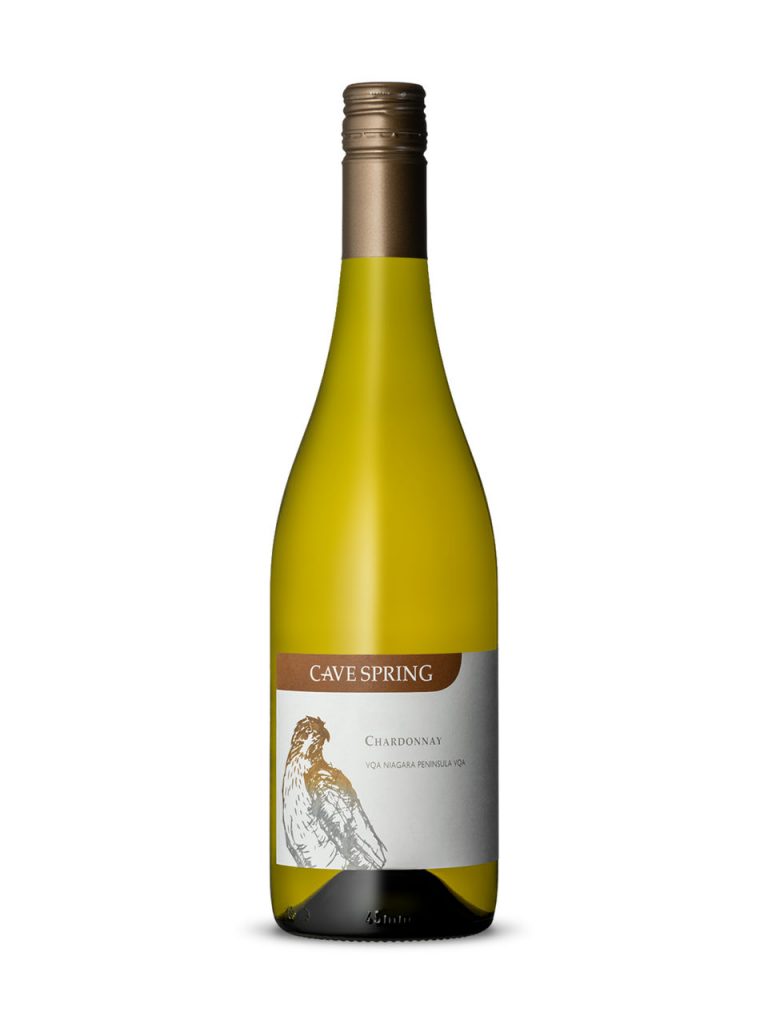
- Cave Spring Estate Chardonnay (Niagara Peninsula)
- Bright acidity, green apple, and citrus with restrained oak influence. A fantastic example of how Canadian Chardonnay leans toward freshness rather than weight. Alternative: Tantalus Chardonnay (Okanagan Valley) for a more mineral-driven, modern style.
What to look for on the label:
Words like “unoaked,” “stainless steel fermented,” “cool climate,” or “minimal oak” are your best friends. These cues usually signal a Chardonnay that’s crisp, modern, and miles away from the buttery styles that gave the grape its bad reputation.
YEG Thrive take:
Chardonnay doesn’t need to be loud to be good. When it’s handled with restraint, it becomes one of the most versatile and enjoyable white wines out there — especially for people who thought they’d sworn it off for good.
If you think you don’t like Chardonnay, you probably just haven’t met the right one yet.
Instead of asking:
“Do I like Chardonnay?”
Try asking:
“Do I like this style of Chardonnay?”
That small mindset shift opens up an entire category of wines that are versatile, food-friendly, and deeply satisfying—without the butter bomb flashbacks.
Chardonnay didn’t change. We just grew up. 🍷
FAQ: Chardonay Wine Styles
What are the main chardonay wine styles?
Chardonay wine styles range from crisp and unoaked to rich, textured, and oak-aged, depending on climate and winemaking.
Why do chardonay wine styles taste so different?
Differences come from oak use, fermentation methods, and whether the wine comes from a warm or cool climate.
Are all chardonay wine styles buttery?
No. Many modern styles are fresh, citrus-driven, and mineral-focused with little to no oak.
How can I find a chardonay wine style I’ll like?
Look for cooler-climate regions or bottles labeled “unoaked” or “minimal oak” if you prefer fresher styles.
Wine Education with Fine Vintage
Fine Vintage is a leading Canadian wine education provider offering globally recognized WSET courses for wine professionals and enthusiasts. I’m currently completing my wine studies through Fine Vintage, learning in depth about global regions, tasting structure, and chardonnay wine styles, including how climate and winemaking influence everything from crisp, unoaked examples to richer, textured expressions. Their courses combine structured education with hands-on tasting, making wine learning practical, accessible, and deeply engaging.