
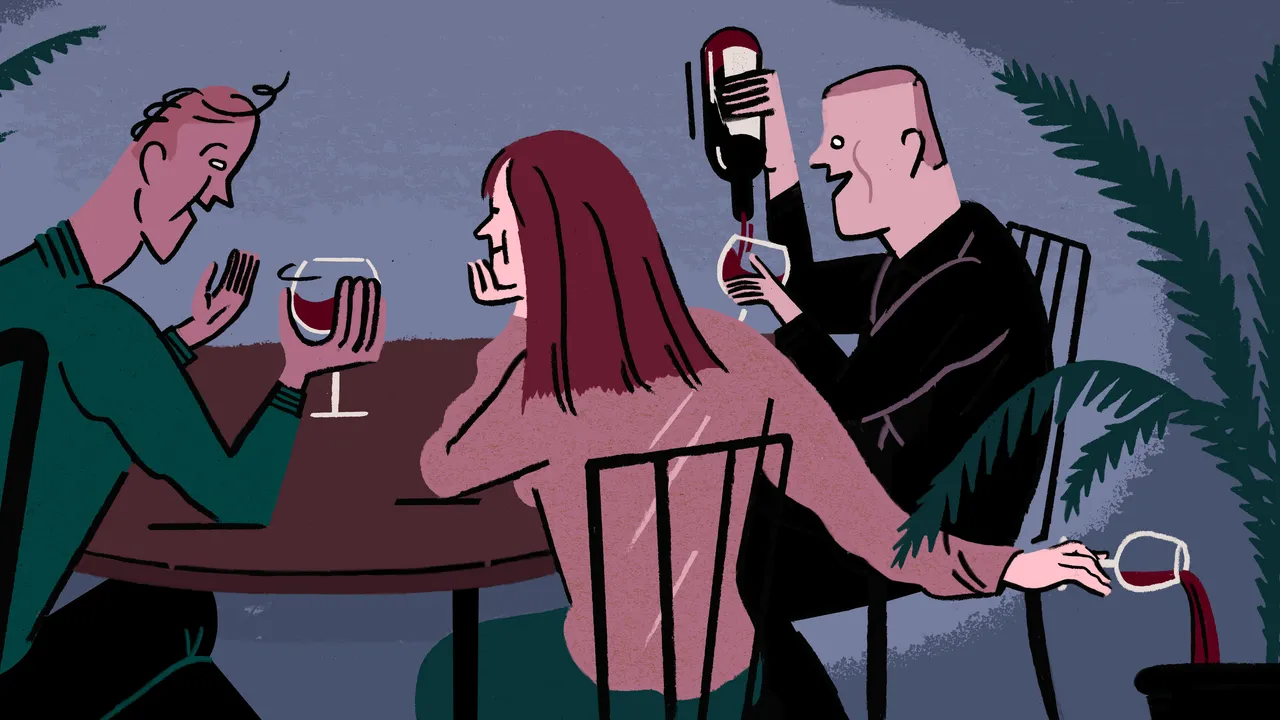

Many people believe they simply don’t enjoy wine. But the truth is that why you think you don’t like wine often has less to do with taste and more to do with experience, expectations, and exposure to the right styles.
There’s a sentence I hear constantly:
“I don’t really like wine.”
Most of the time, that’s not true.
What people usually mean is this: I had a glass once that felt too bitter, too dry, too acidic, too heavy, or too confusing — and I assumed that meant wine just wasn’t for me.
That’s like saying you don’t like music because you didn’t enjoy one genre. Or you don’t like movies because you saw one bad one.
Wine isn’t one thing. It’s a spectrum. And if you think you don’t like wine, there’s a very good chance you just haven’t found your style yet.
And no, that doesn’t mean you need to memorize regions, swirl dramatically, or pretend you taste “wet saddle.”
Wine Is Not a Personality Test
Somewhere along the way, wine became weirdly performative. People talk about it like it’s a measure of taste, intelligence, or adulthood. It’s not.
If you enjoy the wine, it’s good wine. Everything else is context.
That philosophy sits at the heart of my guide, Wine Wihtout The Snobbery, which was written for regular people who just want to enjoy wine without feeling judged.
The truth is simple: most people who say they don’t like wine have only tried one style of wine — usually a very dry red or a sharp, acidic white — and assumed that was the whole category.
It’s not.
The 5 Wine Styles That Actually Matter
Forget complicated maps and appellations for a second. The easiest way to understand wine is by style — how it feels and behaves in your mouth.
When you know your style, buying wine becomes dramatically easier.
1. Smooth & Easy
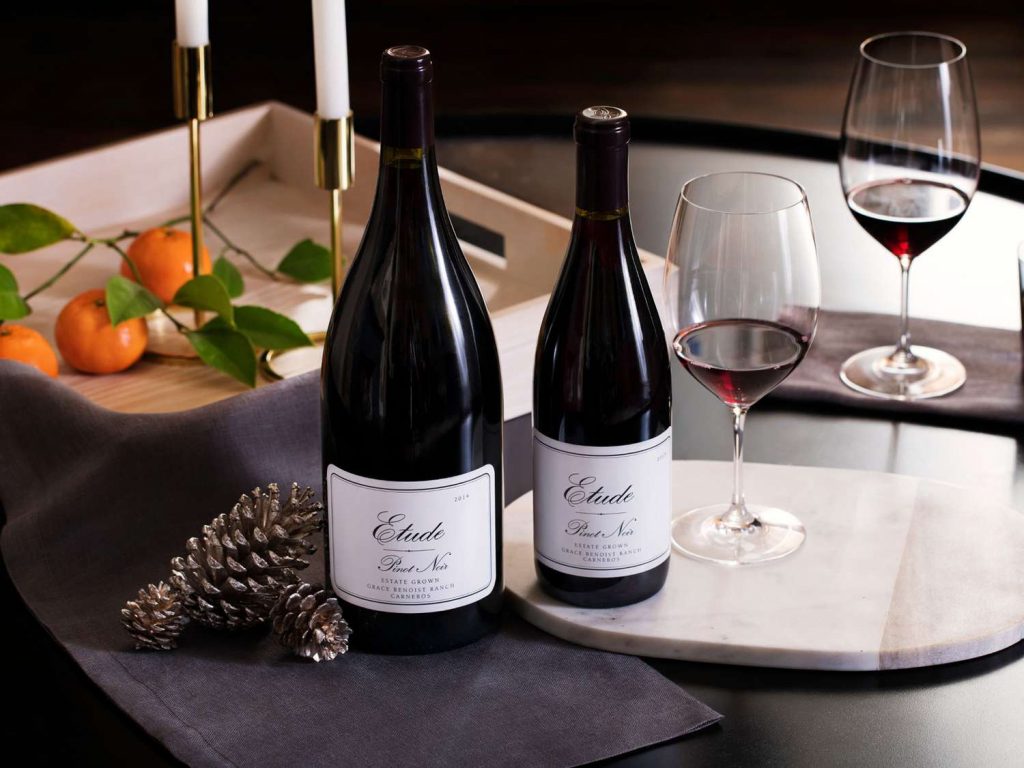
This is where many people should start.
Think red fruit flavours like cherry and raspberry. Softer texture. Less bitterness. Balanced and approachable.
Grapes like Merlot, Pinot Noir, and Gamay often live here.
If bold red wines have felt harsh to you in the past, you probably weren’t drinking smooth and easy — you were drinking something more structured and tannic.
2. Bold & Powerful
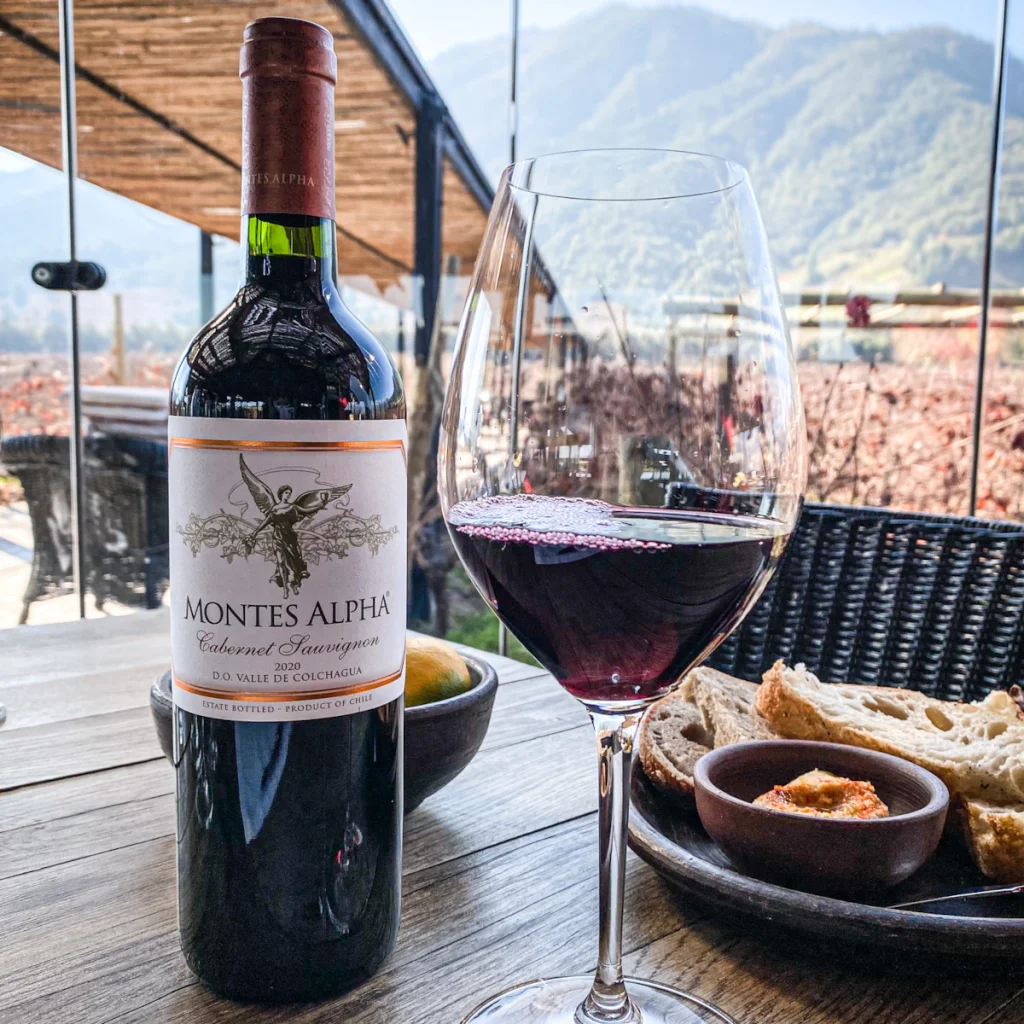
These wines feel big, rich, and structured. Dark fruit like blackberry and plum. Higher alcohol. Noticeable tannin — that drying, grippy feeling.
Cabernet Sauvignon, Malbec, and Syrah often land here.
If you tried one of these early in your wine journey and it felt aggressive or bitter, you may have mistaken intensity for “I don’t like wine.”
What you really meant was: I don’t like this style.
3. Fresh & Crisp
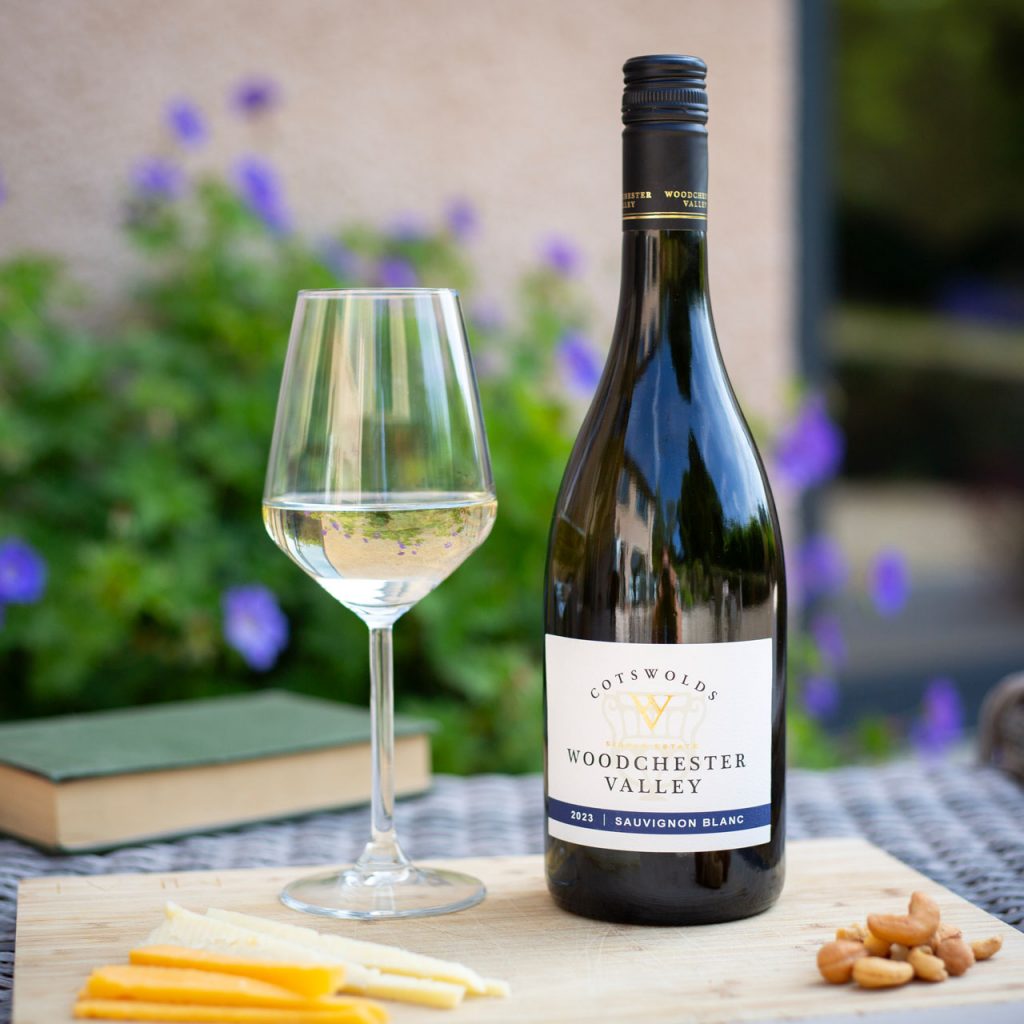
If you prefer lighter drinks — sparkling water, citrus cocktails, clean flavours — this might be your lane.
Expect citrus, green apple, bright acidity, and a mouth-watering finish. Sauvignon Blanc and Pinot Grigio are classic examples.
These wines feel refreshing rather than heavy. Perfect with lighter food or on a patio.
If wine has ever felt “thick” or overwhelming, try fresh and crisp instead.
4. Rich & Creamy
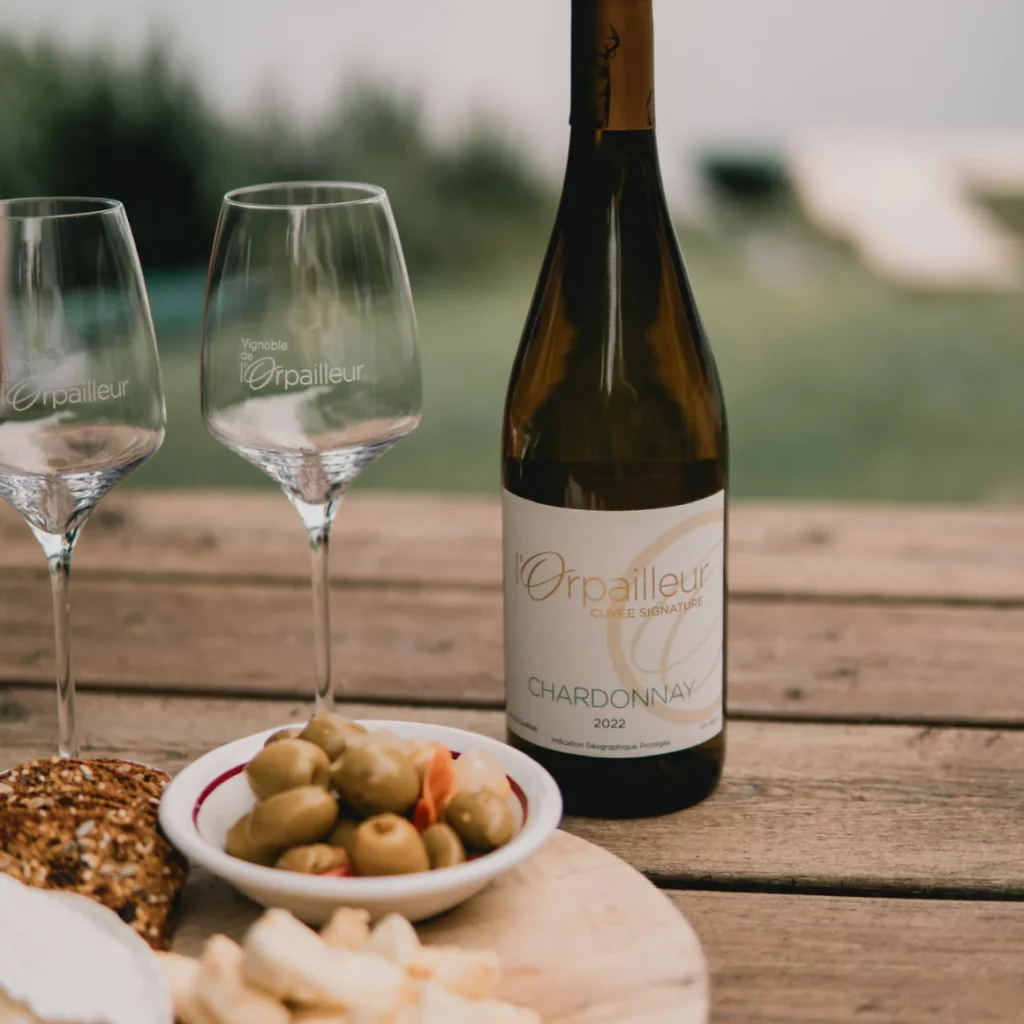
Some white wines feel sharp or thin to people. Rich and creamy styles offer more weight and roundness.
Chardonnay is the classic example, especially when it has seen some oak aging. Think apple, pear, sometimes vanilla, with a smoother texture.
If crisp whites feel too acidic to you, this might be the shift you need.
5. Sweet-Leaning (But Not Candy Wine)
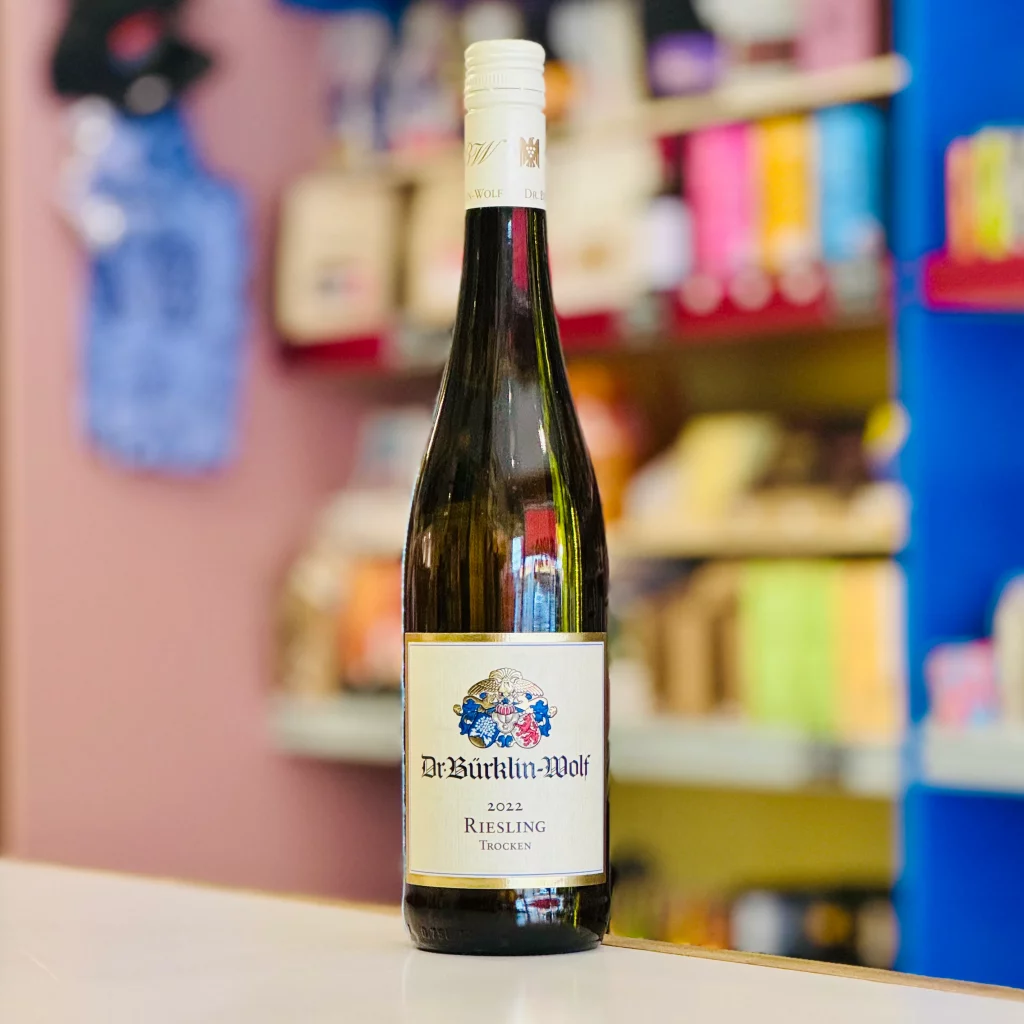
Let’s clear something up: sweetness is not a flaw.
Many people who think they don’t like wine actually don’t enjoy very dry wine. That’s normal.
Off-dry Riesling or Moscato can offer a touch of sweetness balanced by acidity, so they don’t feel sugary — just softer and more approachable.
Sweet doesn’t mean unsophisticated. It means it works for your palate.
Why “Dry” Isn’t a Badge of Honour
There’s a strange belief that enjoying very dry wine is somehow more advanced.
It isn’t.
Dry simply means there’s little to no residual sugar left in the wine. That’s a technical detail — not a measure of taste or maturity.
If very dry wines feel harsh or bitter to you, that’s valuable information. It means your palate might prefer:
- Lower tannin
- Lower alcohol
- Slightly higher fruit
- Or a touch of sweetness
This isn’t about upgrading your taste. It’s about understanding it.
Alcohol Level: The Hidden Clue on the Label
If you’ve ever thought, “That wine felt heavy,” there’s a good chance the alcohol was higher.
Higher alcohol (14%–15%+) usually means:
- Fuller body
- Riper fruit
- Warmer finish
Lower alcohol (11%–12.5%) often means:
- Lighter body
- Higher acidity
- Fresher feel
Next time you’re buying wine, glance at the alcohol percentage. It quietly tells you a lot about what you’re about to experience.
How to Find Wine You Actually Like

Instead of declaring that you don’t like wine, try this approach:
Step 1: Think About What You Already Enjoy
Do you like bold flavours? Light and refreshing drinks? Slight sweetness? Creamy textures?
Your preferences already exist. Wine just needs to match them.
Step 2: Choose by Style, Not Prestige
Ignore the medals. Ignore the romantic back-label story. Focus on the grape, country, and alcohol level.
If you know you like smooth reds, you can safely ignore half the aisle.
Step 3: Stay in the Sweet Spot
In Canada, $18–25 is often where quality and value meet. Spending more doesn’t guarantee you’ll like it more — it just costs more to produce and market.
Step 4: Give Yourself Permission to Change
Your palate evolves. The wine you didn’t enjoy three years ago might taste different now.
And that’s normal.
The Real Reason People Think They Don’t Like Wine
Most people don’t dislike wine.
They dislike:
- Feeling unsure
- Feeling judged
- Feeling like they’re supposed to taste something specific
- Feeling behind
When you remove the performance aspect, wine becomes much simpler.
It’s fermented grape juice shaped by climate, soil, and time. Some wines are bold. Some are quiet. Some are bright. Some are soft.
None of them are moral statements.
You’re Not Behind — You’re Just Exploring

If you’ve ever defaulted to “whatever the server recommends,” you’re not alone. If you’ve nodded politely while pretending to understand tasting notes, that’s common too.
But wine is not something you pass or fail. It’s something you explore.
The next time you’re tempted to say, “I don’t like wine,” try saying this instead:
“I haven’t found my style yet.”
That’s not a limitation. That’s curiosity. And curiosity is where enjoyment begins.
Learning basic tasting structure, similar to the methods taught by Fine Vintage, can help people understand why different wines taste the way they do. There are also some great online resources (that I even use myself like Wine Folly. Sign up for their newsletter to get an email each week with some great content to better understand wines.
Why Our Taste for Wine Develops Over Time
Taste preferences are not fixed. Research in sensory science shows that exposure and familiarity play a major role in how we experience flavor. Many people who initially believe they dislike wine simply have not yet found styles that match their palate. Acidity, tannins, sweetness, and alcohol all influence perception, and learning to recognize these elements can dramatically change how wine tastes.
This is why wine education often changes people’s preferences. When individuals understand what they are tasting, they are more likely to appreciate the complexity and balance in different styles.
Final Thought
Wine is meant to be enjoyed, not performed.
You don’t need to memorize regions. You don’t need to use special vocabulary. You don’t need to like what someone else likes.
You just need to find what feels right in your glass.
And once you do, wine stops being intimidating — and starts being fun.
Frequently Asked Questions About Why People Think They Don’t Like Wine
Many people’s early experiences with wine involve styles that don’t match their taste preferences. Exposure to different wines often changes that perception.
Yes. Taste preferences evolve with exposure and experience, which is why many people learn to appreciate wine later in life.
Many beginners prefer lighter, fruit-forward wines with lower tannins or slightly higher acidity.
Not at all. However, learning a few basics about acidity, sweetness, and tannins can help people better understand what they are tasting.