
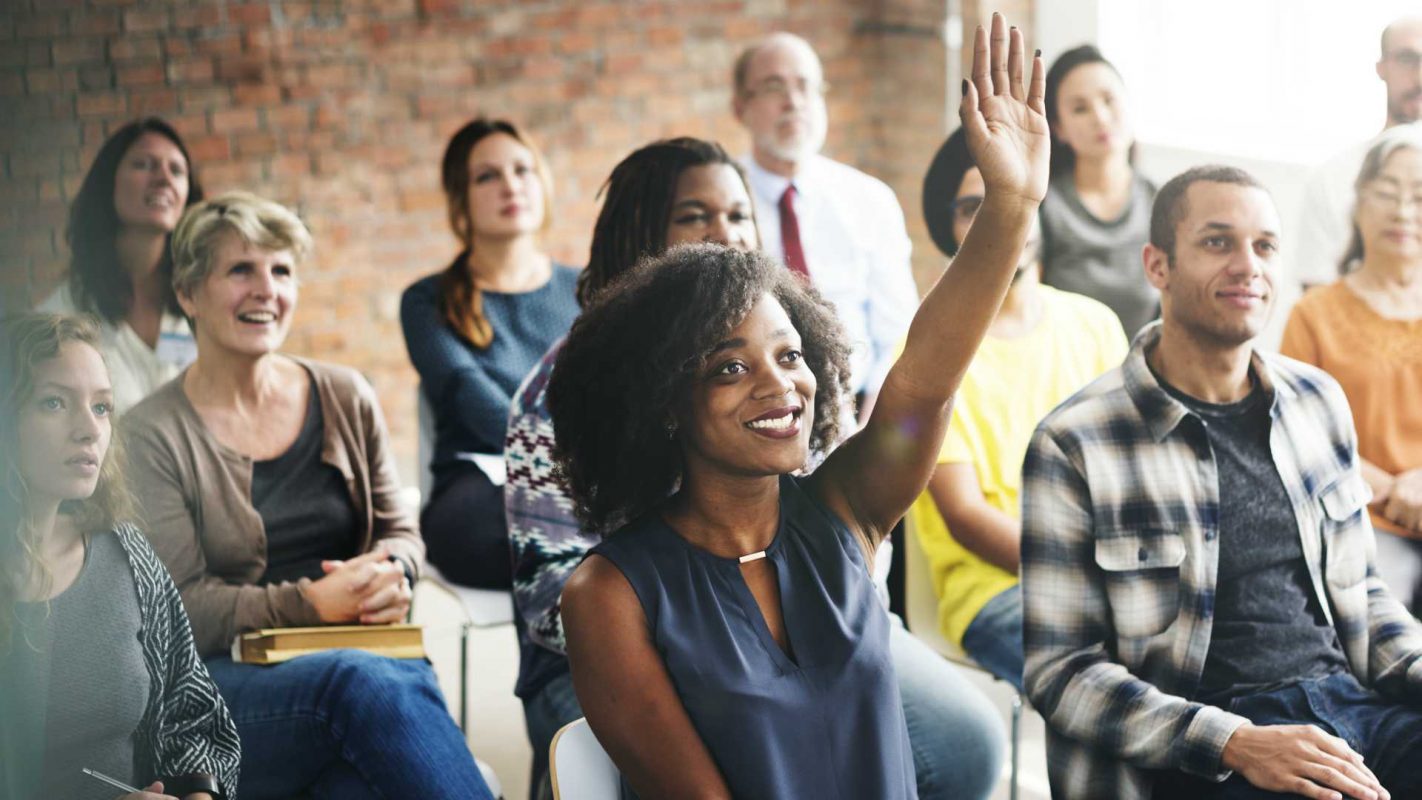

Somewhere along the way, many of us quietly absorb the idea that learning has an expiration date.
You finish school.
You get a job.
You “figure things out.”
And learning slowly becomes something we associate with classrooms, grades, or professional upgrades — not something we do for ourselves anymore.
But here’s the thing: humans are wired to learn for life. Curiosity doesn’t disappear with age — it just gets buried under routine, responsibility, and the belief that it’s “too late” or “not necessary.”
In reality, lifelong learning is one of the most powerful (and underrated) wellness tools we have.
Not because it makes us more productive — but because it keeps us engaged, mentally flexible, socially connected, and deeply human.
What Is Lifelong Learning, Really?
Lifelong learning isn’t about going back to school full-time or collecting certificates.
It’s about:
- Continuing to develop skills
- Exploring new ideas
- Challenging your thinking
- Learning simply because you’re curious
It can be structured or casual, social or solitary, practical or purely for joy. And it looks different at every stage of life.
Learning might mean:
- Taking a course
- Attending a workshop
- Reading deeply about a topic
- Learning a new language
- Picking up a creative or physical skill
- Teaching yourself something completely unrelated to your career
The common thread? Growth without pressure.
The Health Benefits of Lifelong Learning
Learning isn’t just good for your résumé — it’s good for your brain, body, and mental health.
1. It Keeps Your Brain Flexible
When you learn something new, your brain forms new neural connections. This process — known as neuroplasticity — continues well into older adulthood.
Regular learning is associated with:
- Better memory retention
- Improved problem-solving skills
- Slower cognitive decline
- Increased mental resilience
Think of learning like strength training for your brain. You don’t need to lift heavy — you just need to keep showing up.
2. It Supports Mental Health
Engaging your mind can help reduce symptoms of anxiety and depression by:
- Providing focus and structure
- Creating a sense of progress
- Boosting confidence and self-efficacy
- Offering healthy distraction from stress
Learning gives your mind something to chew on — and often, something to look forward to.
3. It Builds Identity Beyond Work
Many adults tie their identity tightly to their job. When careers stall, shift, or end, that sense of self can feel shaky.
Learning outside of work helps you remember:
“I am more than my job.”
You’re a learner. A beginner. A curious human.
That identity sticks with you for life.
4. It Encourages Social Connection
Learning often brings people together — in classes, workshops, discussion groups, or shared hobbies.
Connection + curiosity is a powerful combination for long-term wellbeing.
Why Adults Stop Learning (And Why That’s Understandable)
If lifelong learning is so good for us, why do so many adults stop?
Common reasons include:
- Time constraints
- Fear of being “bad” at something
- Past negative school experiences
- Feeling like learning must be productive to be worthwhile
- Financial barriers
These are real concerns — but they’re also increasingly solvable, especially in a city like Edmonton.
Upcoming Learning Opportunities in Edmonton (March & Spring)
One of the best things about lifelong learning in Edmonton is that opportunities don’t disappear after university — they quietly show up every season in libraries, studios, campuses, and community spaces across the city.
If you’re looking to learn something new this spring, here are a few in-person and online learning opportunities in Edmonton worth keeping on your radar from March onward.
Spring Courses & Workshops (In Person)
Edmonton Public Library – Spring Learning Series
Each spring, EPL rolls out a rotating lineup of free adult learning sessions, including:
- Creative writing and journaling workshops
- Language conversation circles (French, Spanish, ESL)
- Digital literacy and AI basics
- Personal finance and budgeting sessions
- Wellness talks with local practitioners
Most sessions run March through May, require no experience, and are designed to be welcoming for adult learners.
Why this matters for lifelong learning:
Low-pressure, social, and free — this is learning without intimidation.
University of Alberta – Continuing & Community Education (Spring Intake)
U of A Continuing Education typically launches spring and early summer courses focused on:
- Writing and storytelling
- History, culture, and philosophy
- Leadership and communication
- Sustainability and climate topics
- Health and science literacy
Many courses begin in March and April, run for a few weeks, and are open to the public without prerequisites.
Why this matters:
These courses attract curious adults who want depth — not grades.
NorQuest College – Community Learning & Skills Training
NorQuest regularly offers short-format courses and workshops in the spring, including:
- Career exploration and skill-building
- Digital tools and workplace tech
- Language and communication programs
- Personal development courses
Many programs are free or subsidized, making them accessible to adults returning to learning later in life.
Community Leagues, Studios & Local Businesses
Spring is also when many local studios and wellness businesses begin offering:
- Introductory workshops
- Skill-based series (4–6 weeks)
- Creative intensives
- Educational talks paired with movement or wellness
These are often advertised through:
- Community league newsletters
- In-studio bulletin boards
This is where lifelong learning becomes social.
Online Courses You Can Start Anytime (Perfect for Spring Reset Energy)
For those who prefer learning at home — or want to stack learning into busy schedules — online education continues to be one of the easiest ways to stay mentally active.
Coursera – Free University Courses
Coursera offers free audit access to hundreds of courses that pair well with adult learning goals, including:
- Psychology and mental health
- Nutrition and health science
- Learning how to learn
- Sustainability and climate literacy
You can start anytime, go at your own pace, and skip the pressure of certificates.
edX – Science, Humanities & Wellness Topics
edX offers free courses from global universities, with strong options in:
- Neuroscience and brain health
- Philosophy and ethics
- Public health
- Data literacy and AI basics
These pair beautifully with in-person learning — one feeds the other.
LinkedIn Learning – Practical Skill Building
Often free through library access, LinkedIn Learning is ideal for:
- Communication skills
- Leadership development
- Creative software
- Personal productivity systems
Short lessons make it easy to keep learning without burnout.
Learning Without Enrolling: Skills You Can Pick Up This Spring
Not all learning requires a registration link.
Spring is a perfect time to teach yourself something new, simply because the energy shifts and curiosity wakes up.
Here are a few skill areas adults often explore this time of year:
- Language learning using free apps or YouTube series
- Creative writing or journaling with prompts
- Photography (especially with more daylight)
- Cooking new cuisines one dish at a time
- Wine, coffee, or food education through reading and tasting
- Mobility, yoga, or strength technique with educational intent
The key is intention — learning on purpose, not scrolling by accident.
Learning Together: Where Community Fits In
Some of the most meaningful adult learning doesn’t happen in classrooms — it happens in conversation.
Walking with others.
Talking through ideas.
Learning by listening.
That’s why community-based experiences — like group walks, discussion-driven gatherings, and low-pressure meetups — play such a powerful role in lifelong learning.
You don’t need slides or syllabi to learn something new.
Sometimes you just need time, curiosity, and other people asking good questions.