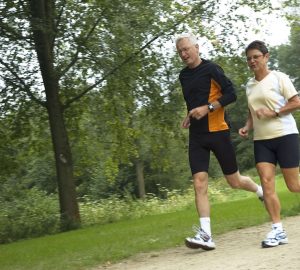


For years, strength training carried a certain stereotype. It was something athletes did. Something bodybuilders obsessed over. Something reserved for people chasing visible muscle or athletic performance.
But that perception has changed dramatically in recent years, and for good reason. Strength training is no longer viewed simply as a fitness activity — it’s increasingly recognized as one of the most important habits for long-term health and longevity.
More doctors, physiotherapists, and health researchers are now emphasizing the same message: maintaining muscle strength as we age may be one of the most powerful ways to preserve mobility, independence, and overall quality of life.
In other words, strength training isn’t just about building muscle. It’s about building a future where your body continues to support the life you want to live.
The Benefits of Strength Training for Longevity
When people think about longevity, they often picture cardiovascular exercise. Walking, cycling, or running are frequently associated with heart health and endurance. Those activities are undeniably important, but strength training plays a different and equally critical role.
Strength training for longevity focuses on maintaining muscle mass, protecting bone density, and preserving mobility as we age. Rather than training purely for aesthetics, the goal becomes maintaining the physical capacity to live independently and move confidently through life.
Muscle mass naturally declines as we age, a process known as sarcopenia. Beginning as early as our 30s, the body slowly starts to lose muscle tissue unless we actively work to maintain it. Over time, that loss can affect balance, posture, metabolic health, and the ability to perform everyday tasks.
Strength training helps slow or even reverse that decline.
By regularly challenging your muscles with resistance — whether through bodyweight exercises, resistance bands, or weights — your body responds by maintaining and rebuilding muscle fibers. This not only improves physical strength but also supports joint stability and overall mobility.
The goal isn’t necessarily to lift the heaviest weights possible. The goal is to preserve function.
And function is what allows people to stay active, independent, and resilient well into older age.
Muscle Is Metabolic Insurance
Another often overlooked benefit of strength training is its impact on metabolism.
Muscle tissue requires more energy to maintain than fat tissue. That means individuals with higher muscle mass tend to burn more calories at rest. Over time, this helps regulate body composition and energy balance.
Strength training also improves insulin sensitivity, which plays a role in blood sugar regulation. This is particularly important in reducing the risk of metabolic conditions such as Type 2 diabetes.
Rather than focusing solely on the number on the scale, strength training shifts the conversation toward body composition — the balance between muscle and fat in the body.
That shift alone can change how people think about fitness.

Protecting Bone Health
Longevity is about more than muscles. It’s also about bones.
Bone density naturally decreases with age, especially in women after menopause. This decline increases the risk of fractures and osteoporosis. Weight-bearing resistance exercises stimulate bone tissue, encouraging it to remain strong and dense.
In simple terms, bones respond to stress by strengthening themselves.
Strength training provides that stimulus.
Regular resistance exercise has been shown to help maintain bone density and reduce the likelihood of fractures later in life. When paired with adequate nutrition and overall movement, it becomes one of the most effective strategies for protecting skeletal health.
Strength Supports Everyday Life
The benefits of strength training extend far beyond the gym.
Strong muscles make everyday activities easier. Carrying groceries, climbing stairs, lifting luggage, playing with grandchildren, gardening, or even getting up from a chair all require strength.
These daily movements are often taken for granted until they become difficult.
Strength training preserves the capacity to move confidently through the world. It supports balance and coordination, reducing the risk of falls — one of the leading causes of injury in older adults.
In many ways, strength training is simply preparation for real life.

Mental Benefits of Strength Training
While the physical benefits of strength training are widely recognized, the mental benefits are equally powerful.
Resistance training has been associated with improvements in mood, stress regulation, and cognitive health. The act of lifting weights or performing controlled movements requires focus and presence, which can provide a mental reset in the middle of a busy day.
There’s also a psychological component to becoming stronger. Each small improvement reinforces a sense of capability and confidence. You begin to trust your body in new ways.
Strength training is not only about building physical resilience; it’s also about strengthening mental resilience.
Getting Started With Strength Training
For those new to resistance exercise, the idea of starting a strength routine can feel intimidating. Images of crowded gyms or complex lifting techniques often discourage beginners.
But strength training doesn’t need to start there.
In fact, some of the most effective strength exercises are simple bodyweight movements performed at home. Squats, lunges, push-ups, and planks all build functional strength without requiring specialized equipment.
Consistency matters far more than complexity.
Beginning with two or three short sessions per week is often enough to see meaningful progress. As comfort and confidence grow, resistance can gradually increase through dumbbells, resistance bands, or guided programs.
The goal is not perfection. The goal is progress.
Why Strength Training Is a Lifelong Habit
Unlike many fitness trends, strength training offers benefits that compound over decades.
The earlier someone begins developing and maintaining muscle, the greater their “reserve capacity” becomes later in life. But even individuals who start in their 50s, 60s, or beyond can experience significant improvements in strength and mobility.
Muscle adapts at any age.
That adaptability is one of the most hopeful aspects of human physiology. It means it’s never too late to begin building a stronger foundation for the future.
Longevity isn’t just about living longer. It’s about maintaining the physical ability to enjoy the years ahead.
Strength training supports exactly that.
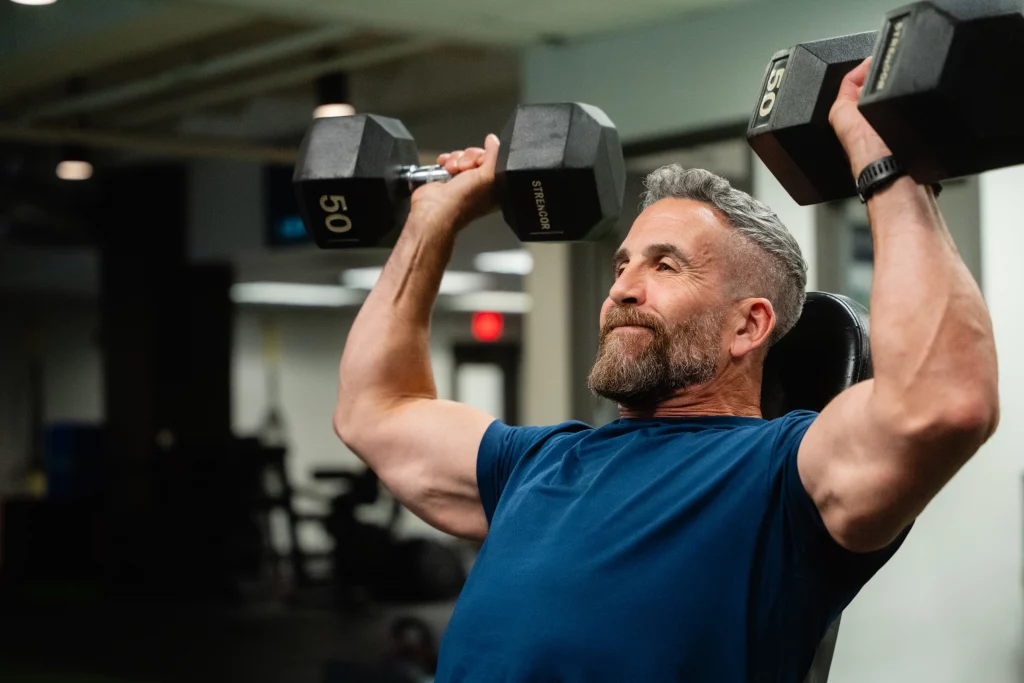
Making Strength Part of Your Routine
For many people, the biggest barrier to strength training is not knowledge but habit. Integrating resistance exercise into a weekly routine requires intention.
One effective approach is to pair strength sessions with existing routines. For example, a short bodyweight workout after a walk or before an evening shower can anchor the habit to something already established.
Another strategy is to focus on functional movements rather than isolated exercises. Squats, hinges, pushes, pulls, and core stability movements mimic real-life patterns and build strength that translates into daily activities.
Over time, these small sessions accumulate into meaningful changes in strength and mobility.
Strength Training for Longevity
Strength training is often misunderstood as a niche activity for athletes or people chasing aesthetic goals. In reality, it is one of the most practical investments anyone can make in their long-term health.
Muscle supports metabolism, protects joints, strengthens bones, and preserves independence. It helps people move confidently through everyday life and remain active as the years pass.
That’s why strength training is no longer being framed as optional.
It’s becoming recognized as essential.
Because strength training isn’t just about the weight you lift today. It’s about the life your body will be capable of living decades from now.
FAQ: Strength Training for Longevity
Yes. Strength training helps maintain muscle mass, bone density, and metabolic health, all of which support healthy aging and long-term independence.
Most experts recommend strength training two to three times per week, focusing on major muscle groups and functional movements.
Absolutely. Research shows that individuals can build strength and improve mobility at almost any age with consistent resistance training.