


If you’ve ever stepped outside for a walk and felt your mood shift almost instantly, you’re not imagining things. It’s not just “fresh air” or a placebo effect. There’s real science behind why being outdoors makes you feel calmer, clearer, and more like yourself again.
And in a city like Edmonton—where we go from long winters to finally soaking up every bit of spring—getting outside isn’t just a nice idea. It’s a powerful, built-in reset for your body and mind.
Let’s break down what’s actually happening when you step outside—and why it works so well.
Your Brain Shifts Gears (In a Good Way)
One of the biggest reasons you feel better after being outside comes down to how your brain responds to nature.
Research shows that time outdoors reduces activity in the part of your brain linked to rumination—the cycle of overthinking and replaying stress. When you’re inside, especially on screens, that loop tends to stay active. Step outside, and your brain gets a break from it.
Natural environments also create what scientists call “soft fascination.” Instead of forcing your attention (like emails or social media), your brain gently engages with your surroundings—trees, movement, light, and sound.
That’s why a walk doesn’t just feel relaxing—it actually restores your mental energy.
Your Nervous System Finally Calms Down
Most people spend a lot of time in a low-level stress state without even realizing it.
Your body operates between two systems:
- Fight-or-flight (stress mode)
- Rest-and-digest (recovery mode)
Being outside helps shift you into recovery mode.
Your heart rate slows. Your breathing deepens. Your body relaxes. Even short outdoor sessions—just 10 to 15 minutes—can lower cortisol levels.
That quick walk around the block?
It’s basically a nervous system reset.
Natural Light Resets Your Energy
It’s not just sunshine—it’s light exposure.

Getting outside helps regulate your circadian rhythm, which controls your sleep and energy levels. When your body gets natural light, especially earlier in the day, it helps you:
- Feel more awake and alert
- Sleep better at night
- Maintain a more stable mood
Even on cloudy days in Edmonton, outdoor light is significantly stronger than indoor lighting.
So yes—you still get the benefits, even when the sky isn’t cooperating.
Movement Feels Easier Outside
There’s something different about moving your body outdoors.
A treadmill walk works. But walking outside adds layers:
- Changing scenery
- Fresh air
- Sensory engagement
- Mental stimulation
Studies show that outdoor exercise often feels easier, which means you’re more likely to keep doing it.
And consistency matters more than intensity every time.
Nature Boosts Your Mood Chemistry
Spending time outside impacts your brain chemistry in a big way.
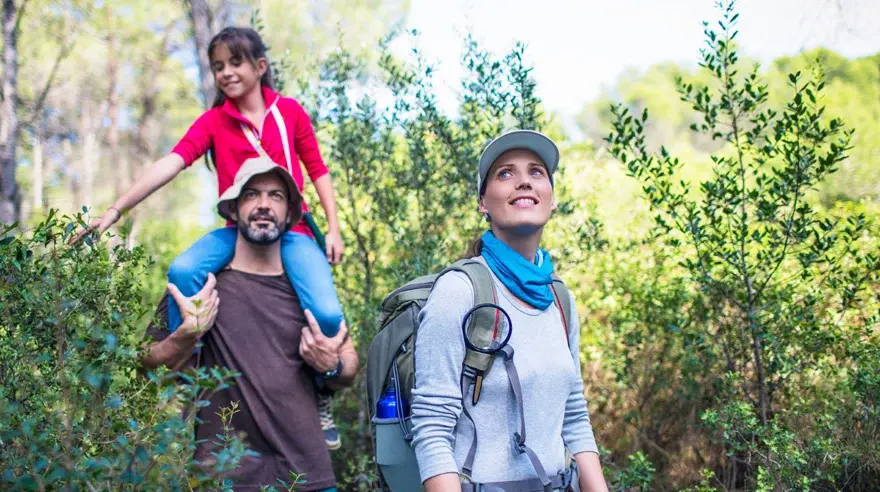
It increases:
- Serotonin (supports mood and emotional balance)
- Dopamine (linked to motivation and reward)
- Endorphins (natural feel-good chemicals)
At the same time, it reduces cortisol.
That combination is why you often feel clearer, lighter, and more energized after being outside—even if you didn’t do anything intense.
You Naturally Disconnect From Screens
One of the underrated benefits of being outside is what you’re not doing.
You’re not:
- Scrolling
- Checking notifications
- Sitting in front of a screen
Even short breaks from screens help reduce mental fatigue and eye strain while improving focus.
And the best part? You don’t have to force it. It just happens when you step away.
It Helps You Be More Present (Without Trying So Hard)
Mindfulness can feel intimidating when it’s framed as something you have to “practice.”
But being outside naturally pulls you into the present moment.
You notice:
- The feeling of the air
- The rhythm of your steps
- The sounds around you
- The space you’re moving through
You’re not trying to be mindful—it just happens.
And for most people, that’s way more sustainable.
Why This Matters More Than Ever
Modern life keeps us:
- Indoors
- On screens
- Mentally overloaded
Even our downtime often involves more input—scrolling, streaming, consuming.
Getting outside is one of the simplest ways to interrupt that cycle.
It doesn’t require a routine, a membership, or a plan.
It just requires a small shift in your day.
How to Start (Without Overcomplicating It)
You don’t need to suddenly become someone who hikes mountains every weekend.

Start simple:
- Take a 10–20 minute walk after dinner
- Step outside with your morning coffee
- Walk instead of drive when possible
- Leave your phone behind occasionally
- Meet a friend for a walk instead of sitting inside
Small, consistent moments add up quickly.
Bringing It Back to Community
This is exactly why we’ve been building more opportunities through the YEG Thrive Offline Collective.
Because while getting outside on your own is powerful, doing it with others adds another layer:
- Connection
- Accountability
- Shared experience
Things like community walks, Slow Sundays, and casual meetups give you a reason to step outside without it feeling like another task.
And right now, that kind of connection matters more than ever.
Final Thought
If you’ve been feeling:
- Stressed
- Mentally drained
- A little disconnected
Your body might not be asking for something complicated.
It might just be asking you to go outside.
No pressure. No plan. No performance.
Just step out, move a little, and give your brain and body what they’ve been missing.
You’ll feel the difference faster than you think.