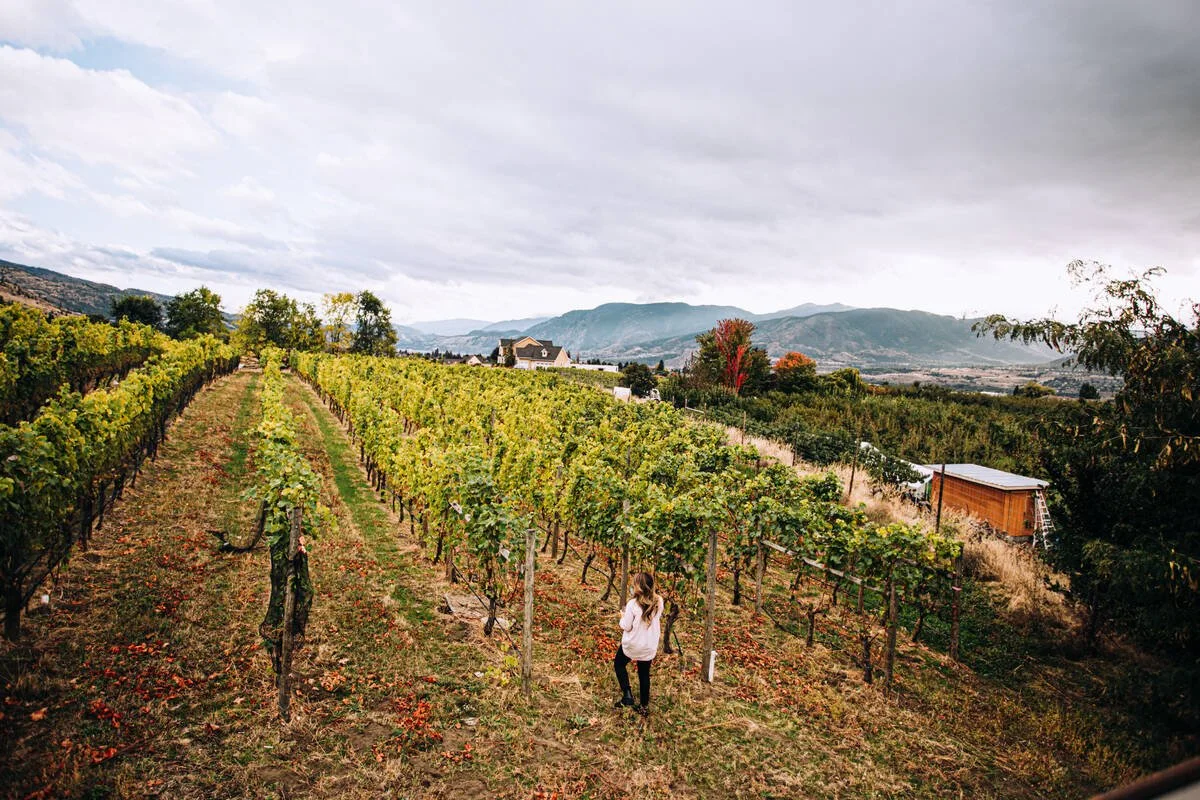

Wine harvest season looks wonderfully romantic in photographs. There are sunlit vineyards, baskets of grapes and people who somehow appear to enjoy waking up before dawn. What the photographs rarely show is the cleaning, the weather decisions and the fact that grapes do not politely wait until everyone has finished their coffee.
For wine drinkers, harvest is a useful reminder that a bottle begins as an agricultural product. Before labels, tasting notes and restaurant markups enter the picture, someone has to grow fruit and decide when to pick it. Those decisions help shape the wine we eventually pour at the table.
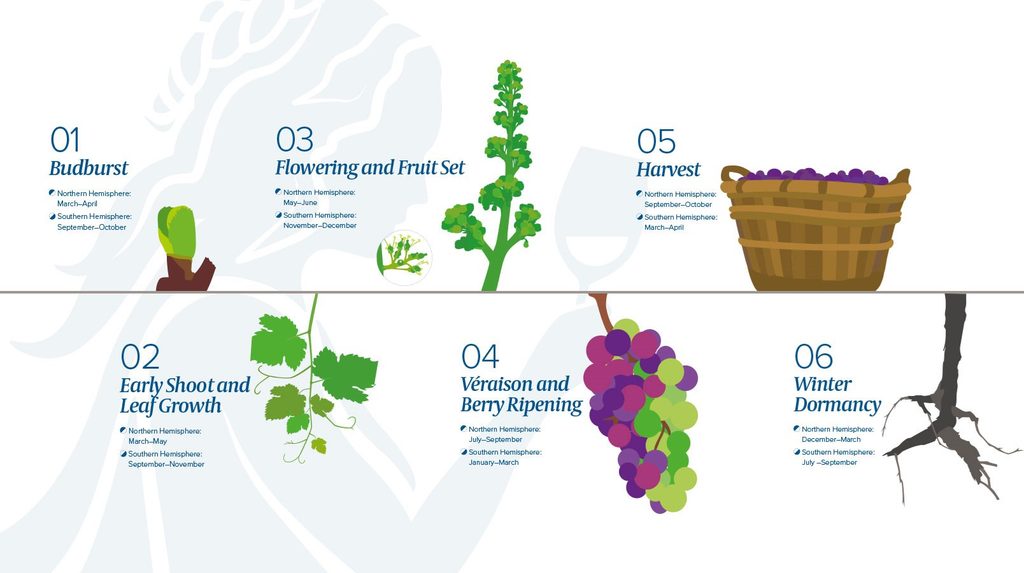
September is associated with harvest in many Northern Hemisphere wine regions, but there is no single worldwide picking date. Region, grape variety, weather and the intended style all matter. The Southern Hemisphere follows the opposite seasonal cycle, so your favourite bottles do not all begin their journey at the same time of year.
Ripeness is more than sweetness
As grapes ripen, their composition changes. Sugar generally increases, acidity tends to fall, and flavours develop. Picking decisions therefore affect more than whether the fruit tastes pleasantly sweet. Growers and winemakers are looking for a balance that suits the wine they want to make.
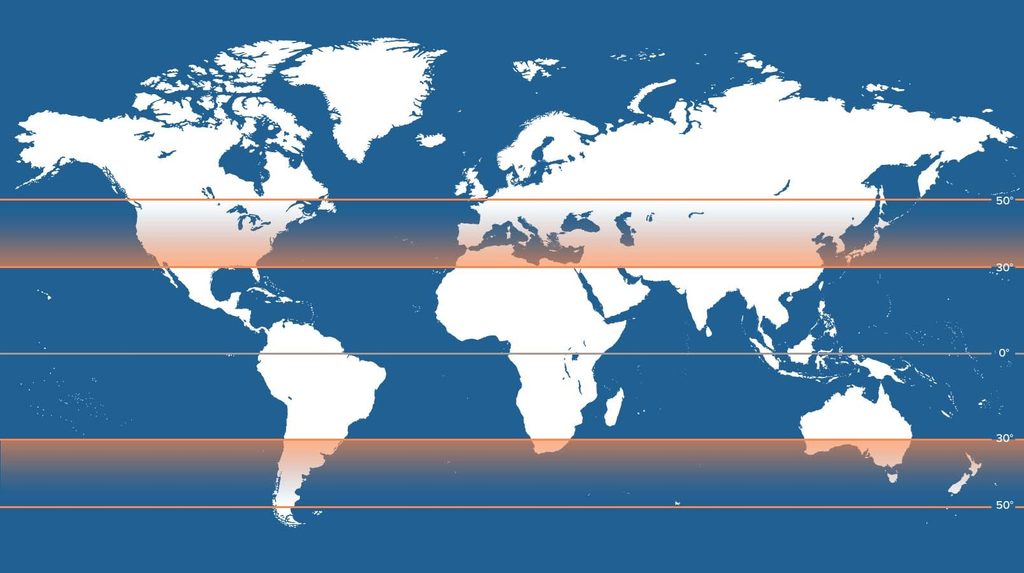
Riper fruit can provide more sugar for fermentation and therefore greater potential alcohol. Less ripe fruit often produces a fresher, more acidic style. These are broad relationships, not a guarantee that every warm-region wine will be heavy or every cool-region wine will be delicate. Site and winemaking choices complicate the picture in interesting ways.
This is why “wait until the grapes are as ripe as possible” is not a universal recipe for better wine. Freshness may be exactly what a producer wants. The useful question is whether the fruit suits the intended style, not whether it has won a competition for maximum sweetness.
Picking is the beginning of a busy process
Grapes may be harvested by hand or machine. The approach depends on the site, practical constraints and production choices. Fruit also needs to arrive at the winery in suitable condition, which helps explain why some picking happens during cooler hours. The vineyard’s schedule is organized around grapes, not around our preference for a leisurely breakfast.
Inside the winery, harvest can involve sampling, sorting fruit, cleaning equipment and monitoring fermentation. In WSET’s first-person account of harvest work, the glamorous-looking season includes plenty of repeated practical tasks. It is a useful antidote to imagining that making wine consists mostly of standing beside a barrel and looking thoughtful.
Fermentation then turns grape sugar into alcohol through the activity of yeast. Red wines usually ferment in contact with grape skins to extract colour and other components, while most white wines are made from juice separated from the skins earlier. There are exceptions, including skin-contact whites, which are part of what makes wine so varied.
Use harvest as a better shopping question
You do not need to memorize vineyard chemistry to make this knowledge useful. When shopping, ask for two expressions of the same grape with different styles: perhaps a lighter, fresher example and a fuller, riper one. Tell the shop your budget and what you normally enjoy. A producer’s notes can help explain whether climate, picking choices or cellar work contributed to the contrast.
Taste a small amount of each and focus on simple questions. Which feels more mouth-watering? Which seems fuller? What fruit does each remind you of? Avoid treating the comparison as proof of one single cause; two wines rarely differ only in harvest timing.
Wine harvest season gives us another way to appreciate the work behind a bottle. You can enjoy the result without pretending to identify the exact afternoon the grapes were picked. Curiosity is useful. A fictional degree in vineyard detective work is entirely optional.