
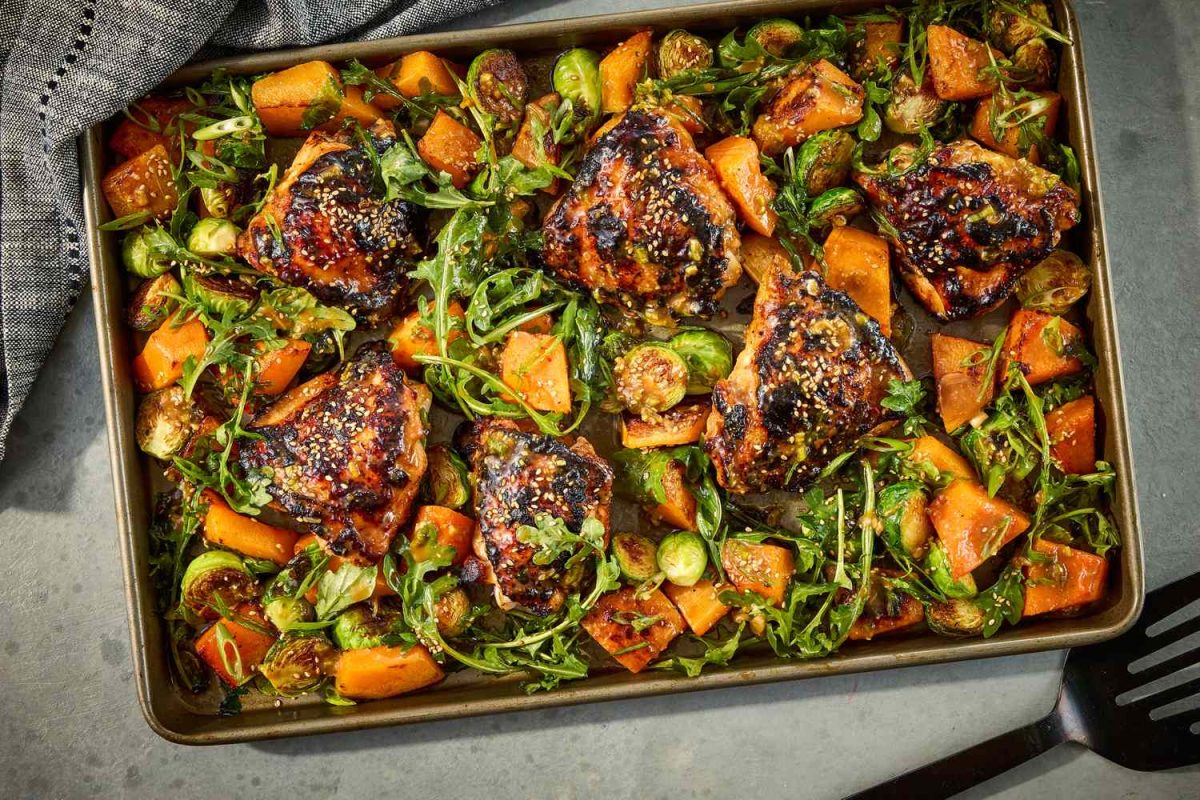

At some point in September, a cold salad starts to lose the argument with a warm bowl of something. Soup sounds good. Pasta becomes especially persuasive. You find yourself considering whether the oven can contribute to both dinner and the general emotional atmosphere of the kitchen.
Fall comfort food has room in a balanced way of eating. Enjoyment, familiarity and cultural traditions matter, and a nourishing meal does not have to look like something prepared for a fitness advertisement. You can want warmth, flavour and enough food to feel satisfied without turning dinner into a negotiation with guilt.
The useful question is how to make the meals you enjoy work well for you and your household. Sometimes that means adding an ingredient. Sometimes it means making the cooking easier so dinner actually happens.
Add useful ingredients to meals you already like
Start with a familiar dish. A tomato pasta can include beans or lentils, a stew can make room for more vegetables, and a tray of roasted vegetables can sit alongside the main course you were already planning. The additions should suit your taste, budget and needs rather than turn every recipe into an unwanted imitation of something else.
Canada’s food guide encourages vegetables and fruits, whole grain foods and protein foods, with plant-based proteins chosen more often. Those categories can appear in a warm meal just as easily as a cold one. The plate is a planning aid, not a demand that your stew arrange itself into separate sections.
Think about combinations that appeal to you: barley and mushroom soup with beans, a baked potato with a satisfying topping, or chicken and vegetables served with a whole grain you enjoy. These are meal ideas rather than a prescribed eating plan. If you have dietary restrictions or a medical condition, adapt them with the advice appropriate to you.
Let convenience do some of the work
A comfortable fall routine is unlikely to survive if every dinner needs two hours and an unusually calm version of you. Frozen vegetables, canned beans, prepared ingredients and leftovers can make home cooking more practical. Compare options when it is useful, but avoid assuming that effort is a reliable measure of nutritional value.
Build one or two meals around ingredients you tend to have. Soup can be a flexible way to use vegetables and a protein food. Pasta can accommodate several sauces. A baked dish may give you another meal later. Keep food refrigerated and follow safe storage guidance; the appeal of leftovers depends partly on handling them properly.
If a recipe depends on a long list of ingredients you rarely use, consider whether a simpler version would serve you better. There is nothing wrong with enjoying a cooking project. There is also nothing wrong with wanting Wednesday dinner to involve fewer decisions than buying a car.
Keep the pleasure in the meal
Food is connected with people and memories. A family soup recipe, a dish from your culture or a meal shared with friends may offer something a nutrient checklist cannot describe. Health Canada’s guidance explicitly includes enjoying food as part of healthy eating, including the activities and traditions around it.
That does not mean every meal needs candles or a gathering. You might sit down properly, use a bowl you like or stop working while you eat. On a busy night, the pleasure may simply be having something warm ready when everyone is hungry.
Try planning one fall comfort food meal this week that you would actually look forward to. Add an ingredient that brings variety, make enough for a useful extra serving if practical, and leave the language of “good” and “bad” eating out of the conversation. Dinner can support your well-being while still tasting like dinner. A bowl of soup does not need a marketing department to justify itself.