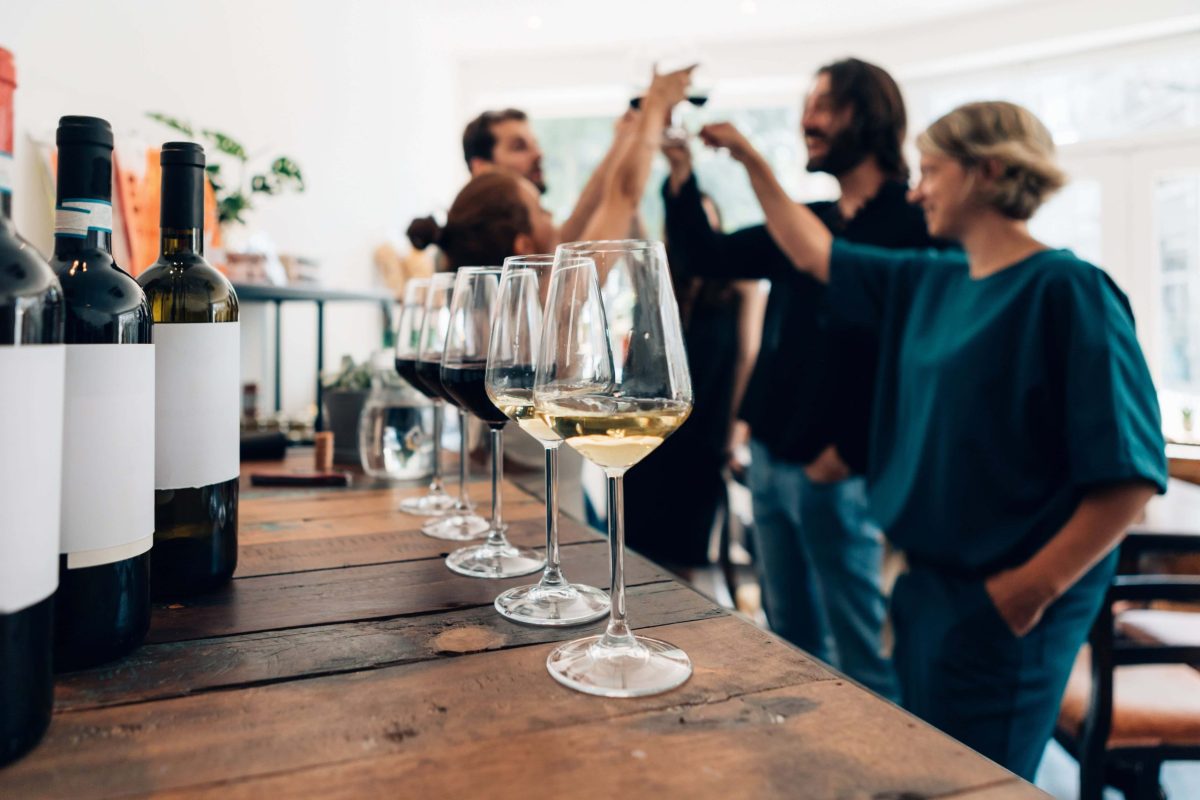

A wine tasting at home can be a lovely way to spend an evening with friends. It can also become unnecessarily complicated if the host decides everyone needs six glasses, a regional map and the ability to identify a fruit they last encountered in a specialty grocery store.
Start smaller. A useful theme, a few modest samples and questions people can answer in ordinary language are enough to create an interesting experience. Nobody needs to perform expertise. The person who says, “I would happily drink this with pizza,” may have supplied the evening’s most practical tasting note.
As cooler evenings make gathering around a table more appealing, a small tasting can give the occasion a focus. Keep the emphasis on curiosity and company, with participation entirely optional.
And in case you didn’t know, this is something our in house wine master TJ can help you with. Reach out to him on Instagram for some guidance or to book a tasting.
Choose one question for the evening
A theme is most useful when it helps people notice a difference. You might compare two expressions of Chardonnay, explore one grape from different regions or taste a few wines selected for an autumn meal. You do not need to cover an entire country before dessert.
Keep the number of wines limited. Two or three are plenty for a first gathering, and there is no obligation to finish the bottles. Tell a wine shop your theme, group size and budget, and ask for a manageable comparison. Let the wines available shape the plan rather than chasing a very specific bottle across the city.
WSET suggests making tasting practice playful through comparisons and group activities. Borrow the spirit of that approach without turning guests into students sitting an exam. A theme is there to make noticing easier, not to determine who is the most sophisticated person in the room.
Set up a table that makes tasting straightforward
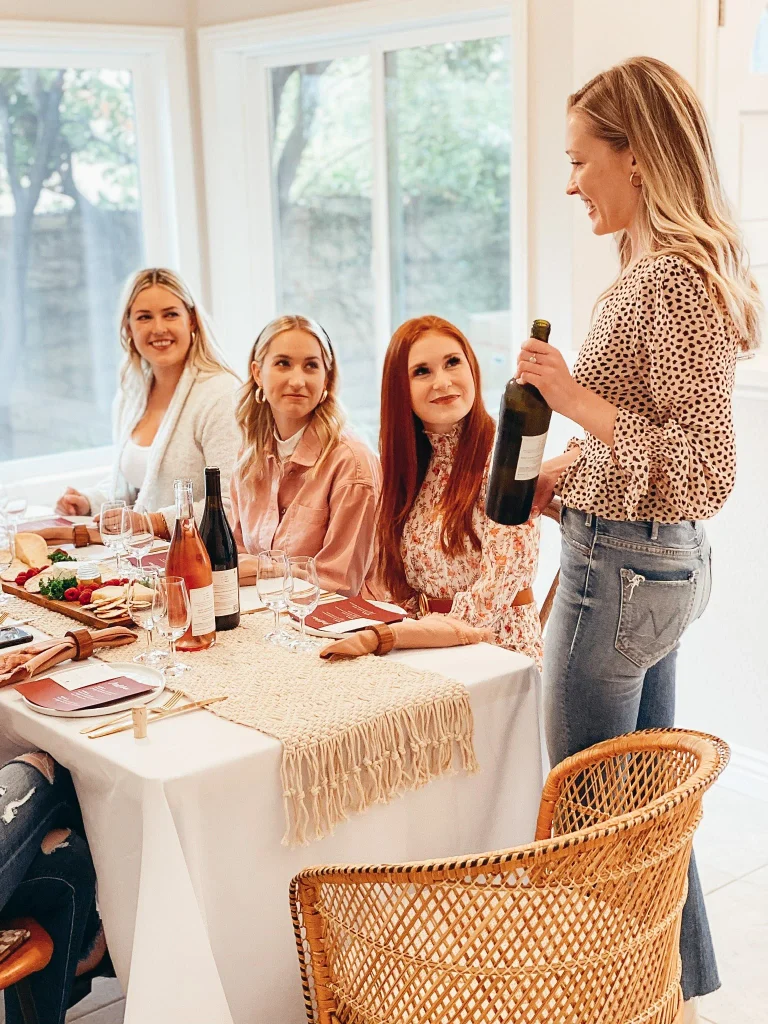
Clean glasses, water and somewhere to discard unwanted wine matter more than specialized equipment. Avoid strong room fragrances or scented candles that compete with the aromas in the glass. Let guests know that spitting or pouring a sample away is welcome, and make it physically easy to do both.
Simple preparation can help people focus on the wines. WSET’s tasting-preparation guidance discusses distractions such as strong flavours and aromas. You can use that idea gently: begin with a brief comparison, then bring out the food and notice how the experience changes. Nobody needs to sit hungry while the host explains acidity.
Pour small samples rather than restaurant-sized servings. Around 30 mL is a practical sample size for a casual comparison, but it is not a safety threshold; alcohol adds up across samples. In Canada, a standard drink of wine is 142 mL at 12% alcohol, and stronger wine contains more alcohol in the same volume.
Ask questions that lead to conversation
Start with what people notice. Which wine feels fresher? Which seems fuller? What familiar fruit or spice comes to mind? Which would you choose with dinner? Allow “I like it, but I cannot explain why” to be a complete and acceptable contribution.
You can hide the labels for part of the comparison if everyone enjoys that idea, then reveal them afterwards. Treat different preferences as interesting information. Avoid announcing a winning palate or suggesting that the most expensive bottle is the answer everyone should have reached.
Make alcohol-free options a real part of the hospitality. Someone may prefer sparkling tea, an alcohol-free drink or simply the food and conversation. Check labels when complete alcohol avoidance matters, and do not require anyone to explain why they are not drinking. Arrange transportation so anyone drinking is not driving.
Finish by sharing the wine names with anyone who wants them and asking what they would like to explore another time. A successful wine tasting at home leaves people more comfortable expressing their preferences. If the evening also produces a good conversation and a new favourite food pairing, the glasses have done their job.