
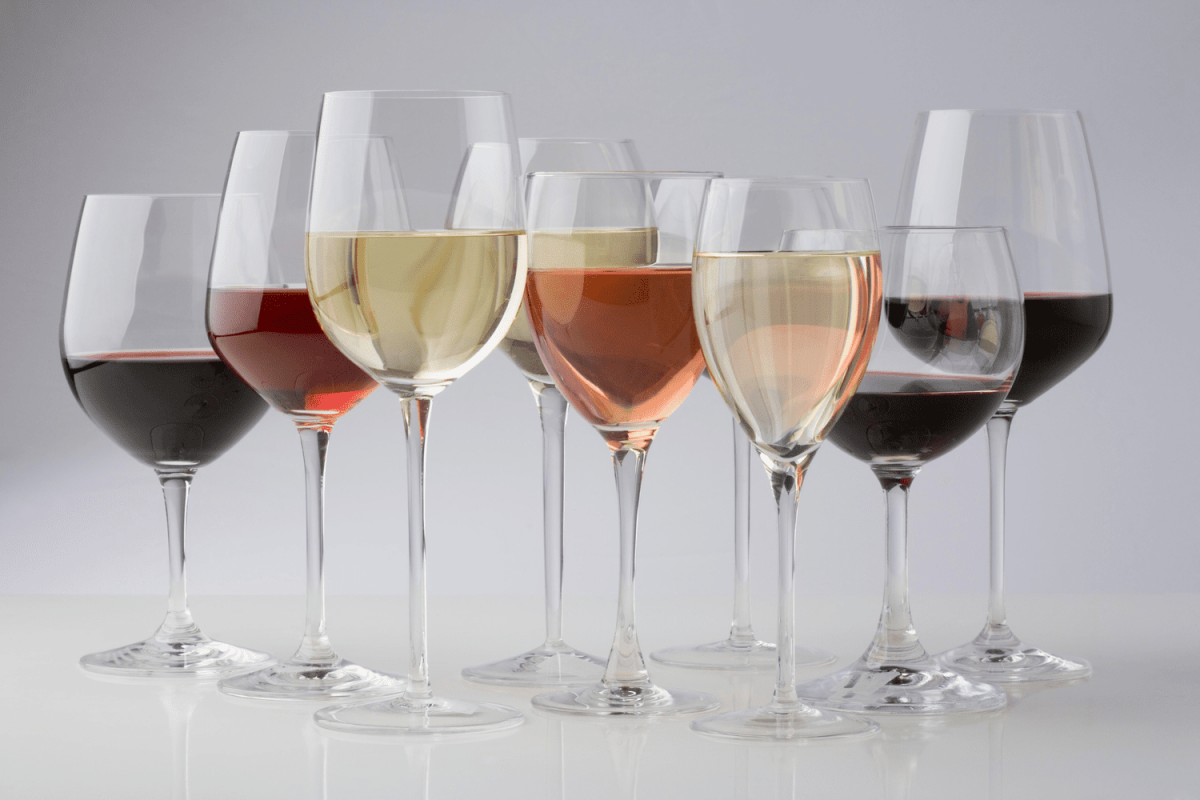

Do wine glasses really matter, or is it all just wine snobbery? It’s a fair question — and one that science, sensory perception, and professional tasting actually have strong opinions on.
Let’s be honest: most of us have poured perfectly good wine into whatever clean glass was closest and thought, “Yep, this still tastes like wine.” And you’re not wrong.
But… the glass can make a difference. Not in a snobby, rule-book way—but in a small, noticeable, “oh yeah, that is nicer” kind of way.
So no, you don’t need a cupboard full of fancy stemware. But understanding why different wine glasses exist can actually make drinking wine simpler, not more complicated.
Why Wine Glass Shape Matters
It comes down to three things:
- Aromas – how the wine smells
- Temperature – how fast it warms up
- Where the wine hits your mouth – which affects how it tastes
Wine glasses aren’t about looking fancy. They’re about guiding the wine—like a well-designed coffee mug that just feels better in your hands.
Red Wine Glasses: Big Bowls, Big Breathing
Red wine glasses tend to be larger with wider bowls. This isn’t for drama—it’s practical.
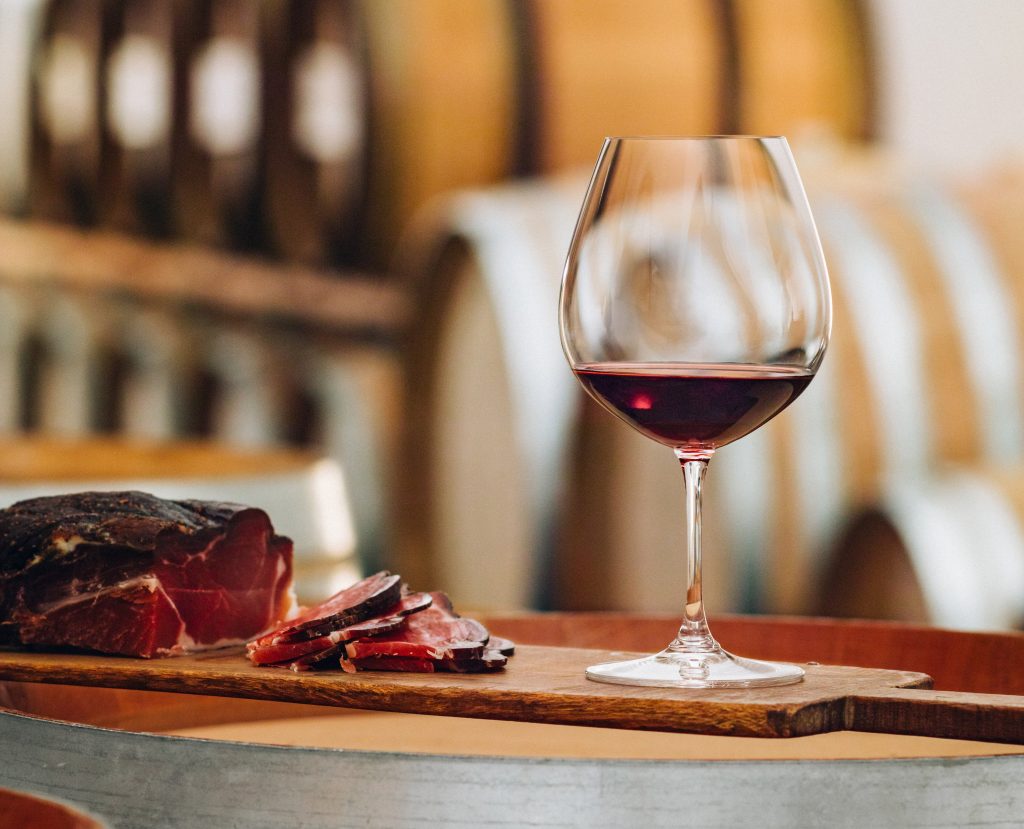
Why they’re bigger:
- Reds benefit from oxygen (it helps soften flavours)
- A wide bowl lets aromas build up
- Bigger sips spread across your palate more evenly
If you’ve ever had a red wine suddenly smell better after sitting in the glass for a bit, that’s the glass doing its job.
Good for:
Cabernet Sauvignon, Merlot, Syrah, Pinot Noir
Casual takeaway: Big glass = red wine relaxes faster
White Wine Glasses: Smaller and Fresher
White wine glasses are usually narrower and smaller.
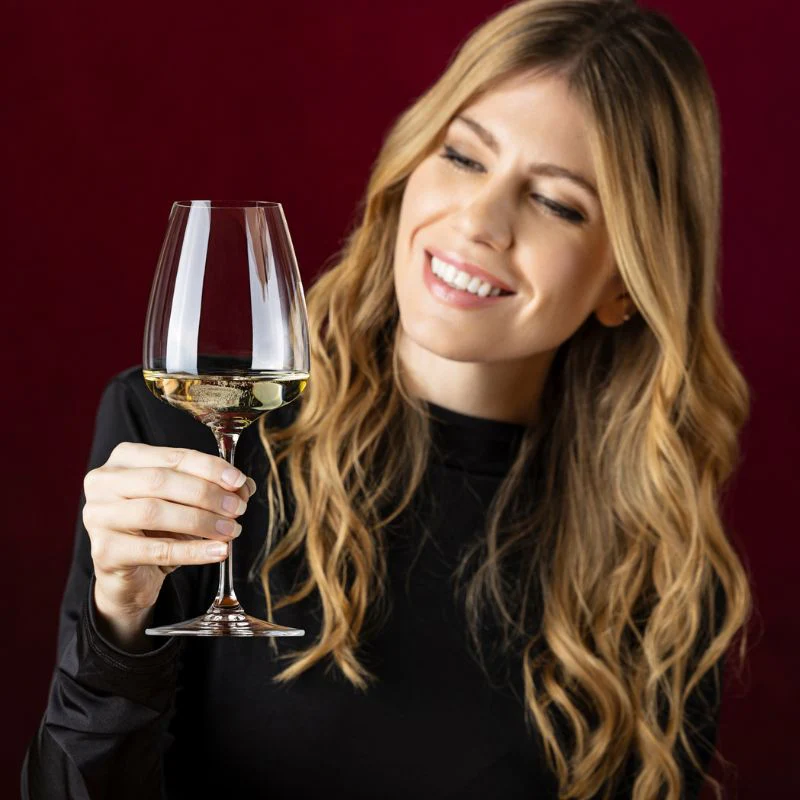
Why?
- Keeps the wine cooler longer
- Focuses fresher, lighter aromas
- Stops you from taking huge gulps (probably for the best)
White wines are all about freshness and acidity, and a smaller glass helps preserve that crispness.
Good for:
Sauvignon Blanc, Pinot Grigio, Riesling, Chardonnay
Casual takeaway: Smaller glass = stays fresh and lively
Sparkling Wine: More Than Just Bubbles
You’ll usually see sparkling wine in tall, skinny flutes—but those aren’t the only option anymore.
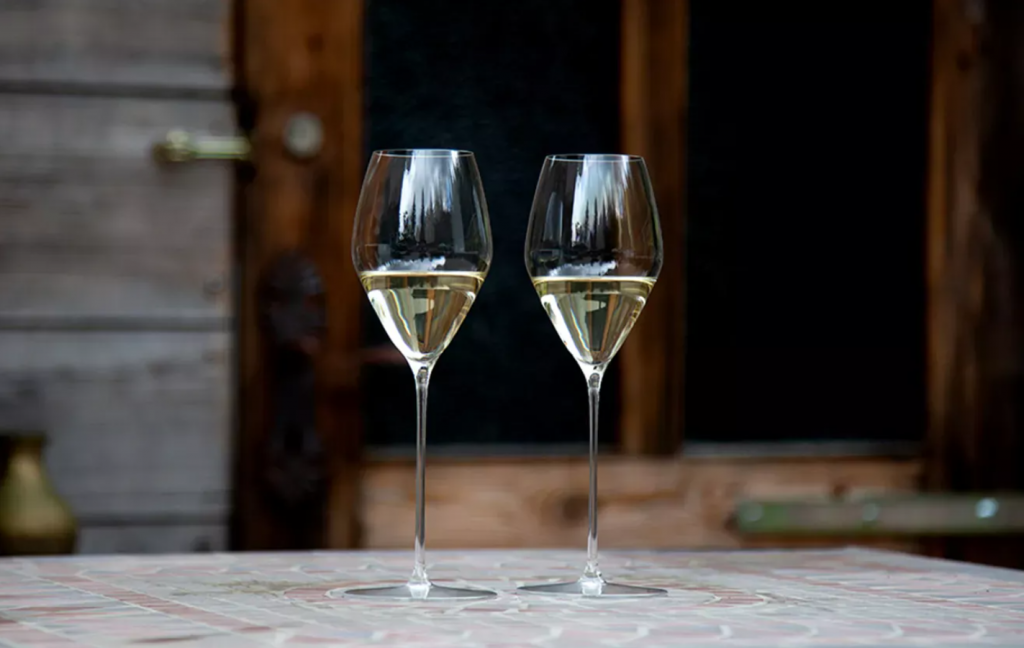
Flutes:
- Keep bubbles longer
- Look elegant
- Slightly mute aromas
Coupes (the shallow ones):
- Fun, retro, great for photos
- Bubbles disappear fast
Modern take:
Many people now use white wine glasses for Champagne. You get better aromas and still enjoy the bubbles.
Casual takeaway: Flutes are fine, but they’re not the law.
Do You Really Need Different Wine Glasses?
Absolutely not.
If that were true, most of us would need a second kitchen just for glassware.
One great option:
A universal wine glass—medium-sized bowl, not too wide, not too narrow. It works well for:
- Reds
- Whites
- Rosé
- Even sparkling (yes, really)
If you want to keep it simple:
- One universal glass
- Maybe one Champagne flute if you love bubbles
That’s it. You’re officially set.
Does Glass Shape Change the Taste of Wine?
Yes—but subtly.
A good glass:
- Makes aromas easier to smell
- Keeps the wine at the right temperature
- Makes the wine feel smoother or more balanced
A bad glass (tiny rim, thick lip, weird shape):
- Traps aromas
- Warms wine too fast
- Makes sipping feel awkward
It won’t turn bad wine into great wine—but it can make good wine more enjoyable.
The Science Behind Wine Glasses
Wine glasses aren’t just aesthetic choices — they’re functional tools designed to influence how we perceive aroma, flavour, and texture. Most of what we interpret as “taste” in wine actually comes from smell, and glass shape plays a surprisingly important role in how aromas reach your nose.
A wider bowl increases the surface area of the wine, allowing more aromatic compounds to evaporate. A narrower rim then funnels those aromas upward, concentrating them where your nose naturally sits as you drink. This is why fuller-bodied red wines often benefit from larger bowls, while more delicate whites are served in smaller glasses that preserve freshness and precision.
Glass shape also affects how wine hits your palate. The angle of the rim can subtly direct wine toward different parts of your mouth, influencing perceived acidity, sweetness, or bitterness. Add in factors like oxygen exposure (which can soften tannins) and temperature retention, and it becomes clear that glassware can meaningfully change the drinking experience.
So no — it’s not magic. It’s physics, chemistry, and human sensory perception working together. Wine is doing the work; the glass just helps it speak more clearly.
Why Riedel Glasses Are the Gold Standard for Wine Lovers
When people talk about premium wine glasses, Riedel is usually the name that comes up first — and not by accident.
Riedel is known for pioneering grape-varietal-specific glassware, meaning their glasses are designed to highlight the characteristics of individual wine styles rather than offering a one-size-fits-all approach. Each glass shape is developed through extensive tasting workshops involving winemakers, sommeliers, and sensory experts, where subtle differences in bowl size, rim diameter, and height are tested against the same wine.
Their philosophy is simple but bold: form follows function. The goal isn’t decoration — it’s to emphasize balance, enhance aroma, and present the wine in its best possible light. Whether it’s amplifying fruit in a Pinot Noir, softening tannins in Cabernet Sauvignon, or preserving tension in Chardonnay, Riedel designs glasses with intention.
That attention to detail is why Riedel glasses are widely used in professional tastings, wineries, and serious wine programs around the world. You don’t need Riedel to enjoy wine — but once you try the same bottle side by side in different glasses, it becomes painfully obvious why so many wine lovers swear by them.
(And no, they’re not paying anyone to say that — they just let the glass do the talking.)
Expensive Glasses: Worth It or Nah?
Here’s the truth: You don’t need expensive glasses to enjoy wine.
Thin glass feels nicer. That’s the main upgrade. But beyond that:
- Mid-priced glasses = perfectly great
- Dishwasher-safe = sanity-saving
- Matching sets = optional
If someone offers you fancy glasses, say yes. If not, don’t stress about it.
The Bottom Line
Wine glasses matter… a little.
Enough to:
- Improve aroma
- Improve comfort
- Improve enjoyment
Not enough to:
- Stress over rules
- Buy 12 different shapes
- Stop you from enjoying wine at home
Use what you have. Upgrade when you feel like it. And remember: the best wine glass is the one that gets used—not the one sitting untouched in a cupboard “for special occasions.”
Wine’s already complicated enough. Your glass doesn’t need to be.