
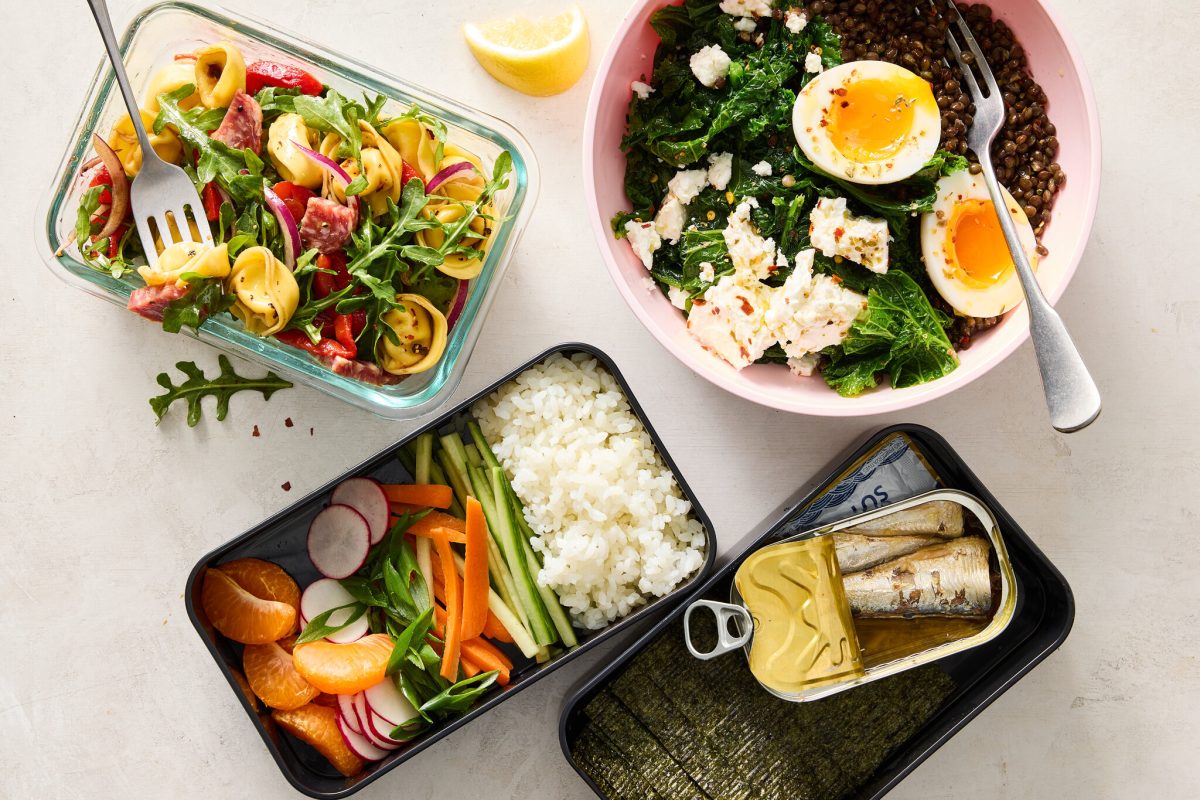

The lunch break has developed an unfortunate identity problem. It is technically a break, yet it often involves answering emails with one hand while attempting to eat something with the other. Sometimes the meal is yesterday’s leftovers. Sometimes it is three crackers and the hope that nobody schedules a complicated meeting at two.
Healthy workday lunches do not require a fridge full of matching containers or a Sunday spent operating a small catering company. They do require some attention to what you enjoy, what your workday allows and what happens when your original plan falls apart.
September is a useful time to reconsider the arrangement. School schedules return, workplaces become busier, and the casual approach that worked during summer may need a little more structure. Start by making lunch easier to organize and more pleasant to eat. Those are worthwhile goals without turning every meal into a nutrition assignment.
Build combinations instead of elaborate menus
Think in components. Something substantial, a protein food, vegetables or fruit, and a flavour you enjoy can become several different lunches. A grain bowl with chickpeas, roasted vegetables and a lemon dressing is one option. An egg sandwich on whole grain bread with fruit is another. Leftover lentil soup and toast deserve equal respect.
Canada’s food guide uses a plate with half vegetables and fruits, one-quarter whole grain foods and one-quarter protein foods as a planning tool. The proportions can guide mixed meals, too; your lunch does not need three tidy compartments to count. Individual portions and needs will vary.
Make a few useful ingredients when you already have the kitchen going. Extra rice, another tray of vegetables or a larger pot of soup can reduce the work later. Repetition is allowed. You are feeding yourself, not auditioning for a competitive lunch programme.
Have a plan for the lunch you forget
Even organized people leave food on the kitchen counter. Keep a small collection of suitable backup foods where you work, if your workplace allows it. Choose items you will actually eat, respect allergy policies, and think about what equipment is available. A can of soup is less useful when the only heating appliance nearby is a printer that runs unusually hot.
Health Canada’s advice for eating at work includes planning meals and snacks, keeping some food available and considering the options when eating out. A backup is part of that practical approach, not evidence that your meal plan failed.
Keep food safety in the plan. Foods that need refrigeration should stay cold in a fridge or an insulated lunch bag with an ice pack. Hot food needs an appropriate insulated container. The bag that looks lovely on your desk is not automatically doing either job.
Give the meal some of your attention
Not every job offers a quiet room and an uninterrupted hour. Teachers, caregivers, retail workers and people on shifts may have very different options. Work with the time and space you have instead of comparing your break with somebody else’s carefully photographed midday ritual.
If possible, close the work screen for part of the meal, sit somewhere different or eat with someone whose company you enjoy. You do not need to describe it as mindfulness. It can simply be ten minutes when you notice what you are eating and stop pretending a sandwich is an email accessory.
Buying lunch can fit, too. Choose something satisfying within your budget, whether that comes from a neighbourhood café, a grocery store or leftovers brought from home. The useful question is whether the arrangement works for your needs, not whether it looks virtuous.
Try improving one part of lunch this week: pack an extra serving at dinner, stock a backup or protect a few minutes to eat without multitasking. A better lunch break is less about culinary ambition than making room for the person who has to get through the afternoon. That person is you, and they could probably use a proper meal.