
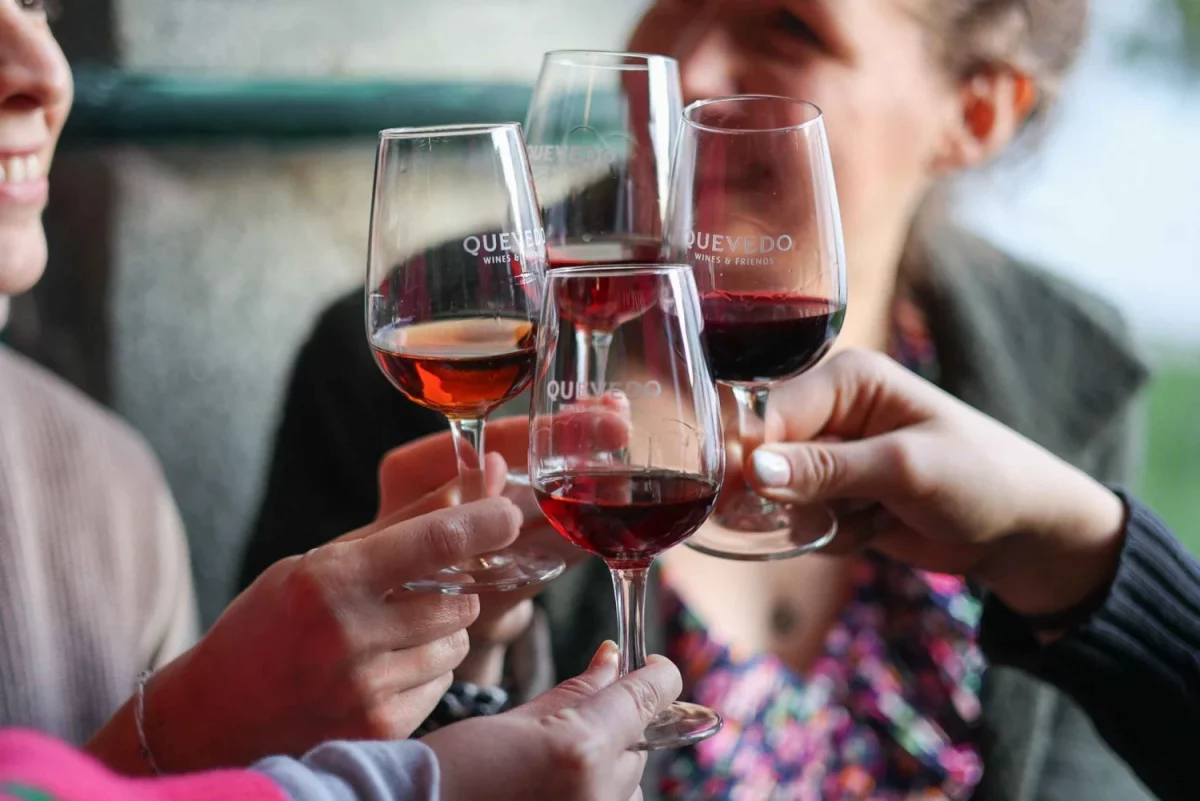

Port is one of those wines that feels fancy, mysterious, and slightly intimidating — which is exactly why it often gets ignored until the holidays roll around. A small glass after a big meal, maybe next to a dessert you didn’t really need… and then back into hibernation until next year.
But here’s the thing: port deserves a permanent spot in your bar. It’s versatile, long-lasting, and incredibly food-friendly — and once you understand the different styles, it becomes one of the easiest wines to enjoy with confidence.
Let’s break it down.
What Is Port, Anyway?
Port is a fortified wine from Portugal’s Douro Valley. During fermentation, grape spirit is added, which stops fermentation early. The result?
- Higher alcohol (around 19–20%)
- Natural sweetness
- Concentrated flavour
- A wine that lasts far longer than most once opened
In short: port is wine that’s built for slow enjoyment.
The Main Styles of Port (and Why They Taste So Different)
Ruby Port
Bold, fruity, and youthful.
- Flavours: Blackberry, cherry, plum, chocolate
- Style: Fresh and vibrant
- Best for: Casual sipping, chocolate desserts, cocktails
- YEG Thrive take: The “easy-yes” port — great value, no overthinking required
Tawny Port (10, 20, 30, 40 Year)
Elegant, nutty, and complex.
- Flavours: Caramel, fig, toasted nuts, orange peel
- Style: Aged in oak, mellow and smooth
- Best for: Cheese boards, quiet evenings, post-dinner conversations
- YEG Thrive take: If you keep one port at home, make it a 10- or 20-year tawny
Late Bottled Vintage (LBV)
The bridge between ruby and vintage.
- Flavours: Dark fruit, spice, cocoa
- Style: Structured but approachable
- Best for: Blue cheese, steak nights, wine lovers who want depth without cellaring
- YEG Thrive take: A sleeper hit — often incredible value
Vintage Port
Powerful, age-worthy, and special.
- Flavours: Dense dark fruit, floral notes, spice
- Style: Made only in exceptional years
- Best for: Celebrations, long dinners, serious wine moments
- YEG Thrive take: This is the “slow down and pay attention” port
Is Port Just a Holiday Drink?
Short answer: absolutely not.
Port works beautifully year-round:
- Summer: Slightly chilled tawny with nuts or aged cheese
- Fall: Tawny with apple-based desserts
- Winter: Ruby or vintage by the fire
- Spring: LBV with blue cheese and good company
Because port lasts longer after opening than table wine, it’s one of the most practical wines you can keep on hand. Low waste, high enjoyment — a very YEG Thrive philosophy.
How Long Does Port Last After Opening?
| Style | Drink Within |
|---|---|
| Ruby | 1–2 weeks |
| Tawny (10–40 yr) | 4–6 weeks (often longer) |
| LBV | 2–3 weeks |
| Vintage | 2–5 days |
Pro tip: Store opened bottles in the fridge to slow oxidation.
Great Port Picks You Can Find in Edmonton
Great Value
Taylor Fladgate Ruby
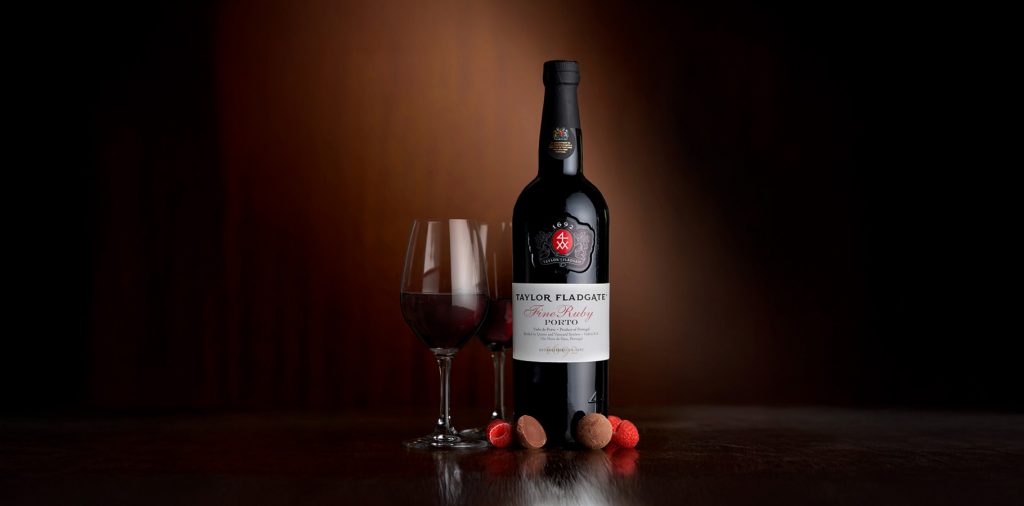
Taylor Fladgate Fine Ruby is a classic, full-bodied port made from a blend of wines aged for about two years in large oak vats in the historic lodges of Vila Nova de Gaia. This ageing approach preserves its vibrant ruby colour and fresh fruit intensity while adding smoothness and balance. Firm tannins and concentrated black fruit flavours make it an ideal partner for the traditional port-and-cheese pairing, especially blue-veined and richly flavoured soft cheeses. Expect a stylish, fruit-forward nose with intense aromas of blackcurrant and cherry, followed by a bold palate packed with luscious dark fruit, making it equally enjoyable with berry-based desserts, dark chocolate, or as a satisfying after-dinner sip.
Mid-Range Favourites
Taylor Fladgate 10 Year Tawny
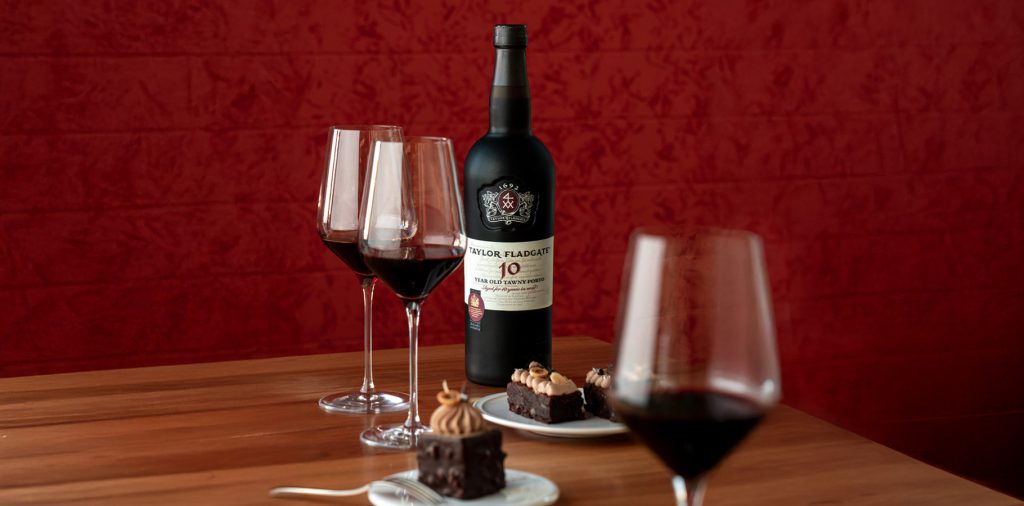
Taylor Fladgate 10 Year Old Tawny Port is a benchmark example of the aged tawny style, fully matured for years in seasoned oak casks that slowly transform the wine from ruby to its signature amber hue. Extended ageing in Taylor Fladgate’s cool coastal lodges allows the port to develop the smooth, mellow character and layered complexity tawny lovers appreciate. Blended from extensive reserves of cask-aged ports, it offers an elegant balance of ripe fruit and delicate wood influence, with aromas of berry fruit, nuttiness, chocolate, butterscotch, and fine oak. Silky on the palate with lingering figgy, jammy flavours, this ready-to-drink tawny is polished, approachable, and a standout expression of the style.
Splurge-Worthy
Taylor Fladgate 20 Year Tawny
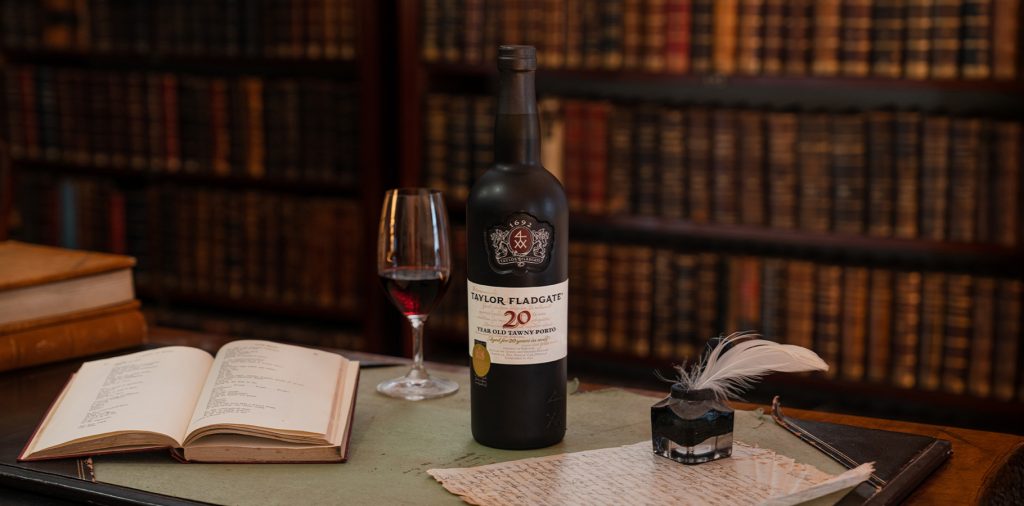
Taylor Fladgate 20 Year Old Tawny Port represents a deeper, more luxurious expression of the aged tawny style, fully matured for decades in seasoned oak casks. Extended ageing in Taylor Fladgate’s cool coastal lodges allows the wine to develop its intense amber colour, silky texture, and layered complexity. Compared to the 10 Year Old, the fruit is more mellow and integrated, while the spicy, nutty characteristics from long oak ageing are richer and more pronounced. The result is an opulent, full-bodied tawny with concentrated flavours, hints of orange blossom and fine oak, and a long, smooth, lingering finish that showcases the elegance and depth of long-aged port.
Where to Buy Port in Edmonton
- Wine & Beyond – Large selection across all price points
- Sherbrooke Liquor – A classic destination for fortified wines
- Color de Vino – Thoughtful curation and knowledgeable staff
Where to Enjoy Port at a Restaurant
- The Marc – Elegant European vibes and a strong dessert wine list
- RGE RD – Canadian cuisine paired with thoughtful after-dinner pours
- Braven – Steakhouse setting that suits fortified wines perfectly
Want to Really Understand Port? Learn How It’s Made
If port has ever felt confusing — ruby vs tawny, vintage vs LBV — that’s completely normal. Understanding why ports taste different comes down to production methods, ageing, and blending, and that’s where education makes a huge difference.
Edmonton wine lovers are lucky to have Fine Vintage, which offers WSET and other wine courses designed to help you confidently taste, compare, and understand wines like port. Their courses break down flavour profiles, production techniques, and regional styles in a way that actually sticks — no wine snobbery required.
Whether you’re just curious, building a better home bar, or looking to deepen your appreciation of wine, learning with Fine Vintage turns moments like “I think I like this” into “I know why I like this.”
And honestly? That makes every glass taste even better. 🍷