


The relationship between nature and the brain is one of the most fascinating areas of modern wellness research. Spending time outdoors doesn’t just feel good—it can influence attention, stress levels, mood, and even the way the brain processes information.
A walk through the river valley can clear your head after a stressful day. Sitting by a lake somehow feels different than sitting in your living room. Even a few minutes in a park can leave you feeling calmer, more focused, and a little less overwhelmed.
For years, people dismissed these feelings as simple relaxation. Fresh air. A change of scenery. A temporary escape from responsibilities.
But researchers are discovering that something much deeper is happening.
Nature doesn’t just make you feel better. It actually changes how your brain functions.
From reducing stress and improving focus to boosting creativity and supporting mental health, spending time in natural environments has measurable effects on both the structure and activity of the brain. In a world where many of us spend most of our days indoors and in front of screens, those benefits may be more important than ever.
The science is becoming increasingly clear: your brain needs nature in much the same way your body needs movement.
The Human Brain Was Built Outdoors
For most of human history, people lived almost entirely outside.
Our ancestors spent their days walking, exploring, hunting, gathering, and navigating natural environments. The human brain evolved in forests, grasslands, mountains, and along waterways—not under fluorescent lights while switching between emails and social media notifications.
Yet modern life has dramatically changed our relationship with nature.
Many people now spend:
- Most of their workday indoors
- Hours each day looking at screens
- Large portions of their free time consuming digital content
- Less time outside than any previous generation
This shift has happened incredibly quickly from an evolutionary perspective. While our environments have changed, our brains haven’t had time to adapt.
Some researchers believe this disconnect helps explain why so many people report feeling mentally exhausted, distracted, and overstimulated.
Nature may not be a cure-all, but it appears to provide something our brains are still wired to need.
Nature Reduces Stress at a Biological Level

One of the most well-documented benefits of spending time outdoors is its impact on stress.
When we’re stressed, our bodies release hormones such as cortisol and adrenaline. These chemicals are incredibly useful in short bursts, helping us respond to challenges and threats. The problem is that many people now live with elevated stress levels for extended periods of time.
Deadlines, financial concerns, constant notifications, traffic, and information overload all contribute to a nervous system that rarely gets a chance to fully relax.
Nature appears to help interrupt that cycle.
Studies have found that spending time in green spaces can lower cortisol levels, reduce blood pressure, and decrease heart rate. Participants often report feeling calmer and more relaxed after relatively short periods outdoors.
What’s particularly interesting is that these effects don’t necessarily require wilderness adventures or week-long camping trips.
Even urban parks, tree-lined pathways, and natural areas within cities can produce measurable benefits.
In other words, your nervous system doesn’t necessarily need a mountain retreat. Sometimes it just needs a walk through the river valley.
Your Attention Gets a Chance to Recover
Have you ever noticed how mentally draining it feels to spend an entire day bouncing between emails, meetings, texts, and social media?
That’s because modern life places enormous demands on what psychologists call directed attention.
Directed attention is the mental effort required to focus on specific tasks while filtering out distractions. It’s a finite resource, and like any resource, it becomes depleted when overused.
Nature offers something different.
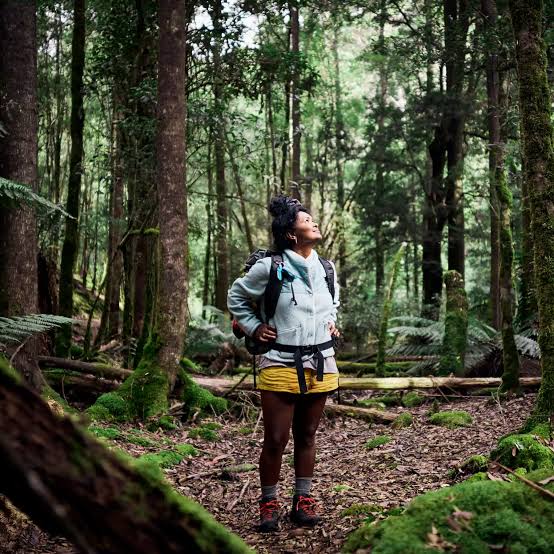
Researchers describe natural environments as creating “soft fascination.” Rather than demanding your attention, nature gently captures it. The movement of leaves, flowing water, birdsong, and changing landscapes engage the brain without requiring significant mental effort.
This allows directed attention to recover. The result often feels like mental clarity. You return from a walk feeling more focused, less mentally cluttered, and better able to concentrate.
If you’ve ever solved a problem while walking or come up with a great idea while spending time outdoors, you’ve likely experienced this effect firsthand.
Nature Can Improve Your Mood
Mental health researchers have become increasingly interested in the relationship between green spaces and emotional wellbeing.

Numerous studies have linked time spent in nature with improvements in mood, reduced symptoms of anxiety, and lower levels of depression.
Part of this may be due to stress reduction, but there appear to be additional factors at work.
Natural environments encourage:
- Physical activity
- Exposure to sunlight
- Reduced screen time
- Mindfulness
- Social interaction
All of these behaviours support positive mental health independently. Combined, they create a powerful environment for emotional wellbeing.
Researchers have even observed changes in brain activity associated with rumination—the repetitive negative thought patterns that often accompany anxiety and depression.
Time in nature appears to reduce activity in areas of the brain linked to this type of mental looping. That’s one reason many people report feeling lighter, calmer, or more optimistic after spending time outdoors.
Creativity Thrives Outside
If you’ve ever felt stuck on a problem, staring at your computer longer probably isn’t the solution. Some of our best thinking happens when we step away.
Studies suggest that natural environments can enhance creativity and problem-solving by reducing cognitive overload and allowing the brain to process information differently.
When we’re constantly consuming content and responding to demands, there’s little space left for reflection. Nature creates that space. Without constant interruptions, the brain begins making connections, organizing information, and generating new ideas.
This may explain why so many writers, artists, entrepreneurs, and innovators throughout history have valued long walks as part of their creative process.
Movement helps. Nature helps. Together, they create ideal conditions for fresh thinking.
Why Screens and Nature Have Opposite Effects
Many of the benefits of nature become even more significant when viewed alongside the realities of modern screen use.
Screens are often associated with:
- Constant stimulation
- Notifications
- Information overload
- Attention fragmentation
- Digital fatigue
Nature tends to provide the opposite experience. Instead of overwhelming the senses, it allows them to settle. Instead of demanding constant engagement, it creates opportunities for presence. Instead of encouraging rapid shifts in attention, it promotes sustained focus.
This doesn’t mean technology is bad. It simply means balance matters.
Many people spend eight to ten hours each day interacting with screens. Even a small amount of time outdoors can help counterbalance some of that mental load.
Edmonton Might Be One of the Best Places to Experience This
One of Edmonton’s greatest strengths is something many residents take for granted: access to nature.
The city is home to one of North America’s largest urban park systems, with countless opportunities to reconnect with the outdoors.
Some local favourites include:
Mill Creek Ravine
A peaceful escape that feels surprisingly removed from the city despite being centrally located.
Victoria Promenade
Ideal for scenic walks overlooking the river valley.
Terwillegar Park
A favourite destination for walkers, runners, and anyone seeking more natural surroundings.
Government House Park
A quieter option that offers beautiful pathways and mature trees.
The River Valley Trail System
More than 160 kilometres of connected trails perfect for walking, cycling, and exploring.
The beauty of these spaces is that they don’t require special equipment or advanced fitness levels. You simply need to show up.
Why the Offline Collective Keeps Returning to Nature
One of the reasons so many YEG Thrive Offline Collective events involve walks, parks, and outdoor spaces is because nature creates the perfect backdrop for connection.
People tend to relax more quickly outdoors. Conversations flow more naturally. Phones become less interesting.
The focus shifts away from productivity and toward presence.
Whether it’s a community walk through the river valley, a Slow Sunday gathering, or simply exploring a new neighbourhood, nature provides something many people are desperately missing: space.
Space to think. Space to breathe. Space to connect.
Final Thoughts
Modern life asks a lot of our brains.
We’re constantly processing information, managing responsibilities, responding to notifications, and navigating environments that demand our attention.
It’s no wonder so many people feel mentally exhausted.
Nature offers a remarkably simple antidote.
It lowers stress. Restores focus. Improves mood. Encourages creativity. Supports mental health. And perhaps most importantly, reminds us that our brains weren’t designed to operate at full speed all day, every day.
You don’t need a wilderness retreat to experience the benefits. Start with a walk. Sit in a park. Explore a trail. Leave your phone in your pocket for a while.
Because spending time in nature isn’t just something that feels good. It’s something your brain has been asking for all along.