

If you’ve been drinking the same bottles for years, exploring alternative wine varietals can be one of the easiest ways to expand your wine horizons. While wine shops are often dominated by familiar names like Cabernet Sauvignon, Chardonnay, and Pinot Grigio, there are countless lesser-known grapes that offer incredible quality, character, and value.
There’s a reason for that. those varietals are popular, they’re familiar, and they sell. Most people naturally gravitate toward wines they’ve heard of because buying wine can already feel intimidating enough without throwing unfamiliar names into the mix.
But here’s the thing: some of the most interesting, enjoyable, and affordable wines in the store are often the ones you’ve never heard of.
The wine world contains thousands of grape varieties. Yet most of us spend our lives rotating between the same handful of them. Imagine going to a restaurant and only ordering burgers because you know you’ll like them. You’d miss out on a lot of great meals.
The same thing happens with wine.
Many lesser-known varietals offer everything people love about the classics while bringing something fresh and different to the table. Even better, because they don’t have the same global demand as the superstar grapes, they often represent tremendous value.
One of the most effective ways to learn about wine is to explore beyond familiar varietals. Wine educators often encourage consumers to compare similar styles from different regions and grape varieties because it helps build a deeper understanding of acidity, body, tannin, and flavour profiles. Exploring alternative varietals can also introduce drinkers to exceptional wines that are often available at surprisingly reasonable prices.
If you’ve ever stood in a wine store thinking, “I should try something different,” this article is for you.
Let’s look at some alternatives that might become your next favourite bottle.
If You Like Sauvignon Blanc, Try Albariño
Most Sauvignon Blanc drinkers are looking for one thing: freshness.
They love those crisp citrus flavours, the mouth-watering acidity, and the refreshing feeling that makes you want another sip.
That’s exactly why Albariño deserves a place on your radar.

Originally from northwestern Spain, Albariño delivers many of the same refreshing qualities that make Sauvignon Blanc popular, but with a slightly softer personality.
Expect flavours like:
- Lemon
- Lime
- Peach
- Green apple
- Subtle salty or mineral notes
It’s one of the easiest “alternative” wines to recommend because it doesn’t require a dramatic leap outside your comfort zone.
If you love Sauvignon Blanc with seafood, patio lunches, or summer salads, Albariño may become your new warm-weather favourite.
If You Like Chardonnay, Try Grüner Veltliner
Chardonnay can be a tricky category because styles vary wildly.
Some people love rich, buttery Chardonnay. Others prefer fresher, unoaked versions.
If you’re looking for a white wine that offers texture and complexity without feeling heavy, Grüner Veltliner is worth seeking out.

This Austrian grape remains one of the wine world’s best-kept secrets.
What makes it unique is its combination of freshness and substance.
You might find flavours of:
- Green apple
- Citrus
- White pepper
- Pear
- Herbs
It’s refreshing enough for patios but substantial enough to hold its own with food.
One of the reasons wine professionals love Grüner Veltliner is its versatility. It works with seafood, chicken, vegetables, Asian cuisine, and foods that can be challenging for many wines.
For people who enjoy Chardonnay but want something lighter and more energetic, Grüner is a fantastic next step.
If You Like Pinot Grigio, Try Vermentino
Pinot Grigio has become a default choice for many wine drinkers because it’s approachable, crisp, and easy to enjoy.
But if you’re looking to branch out without leaving that style behind, Vermentino is an excellent option.
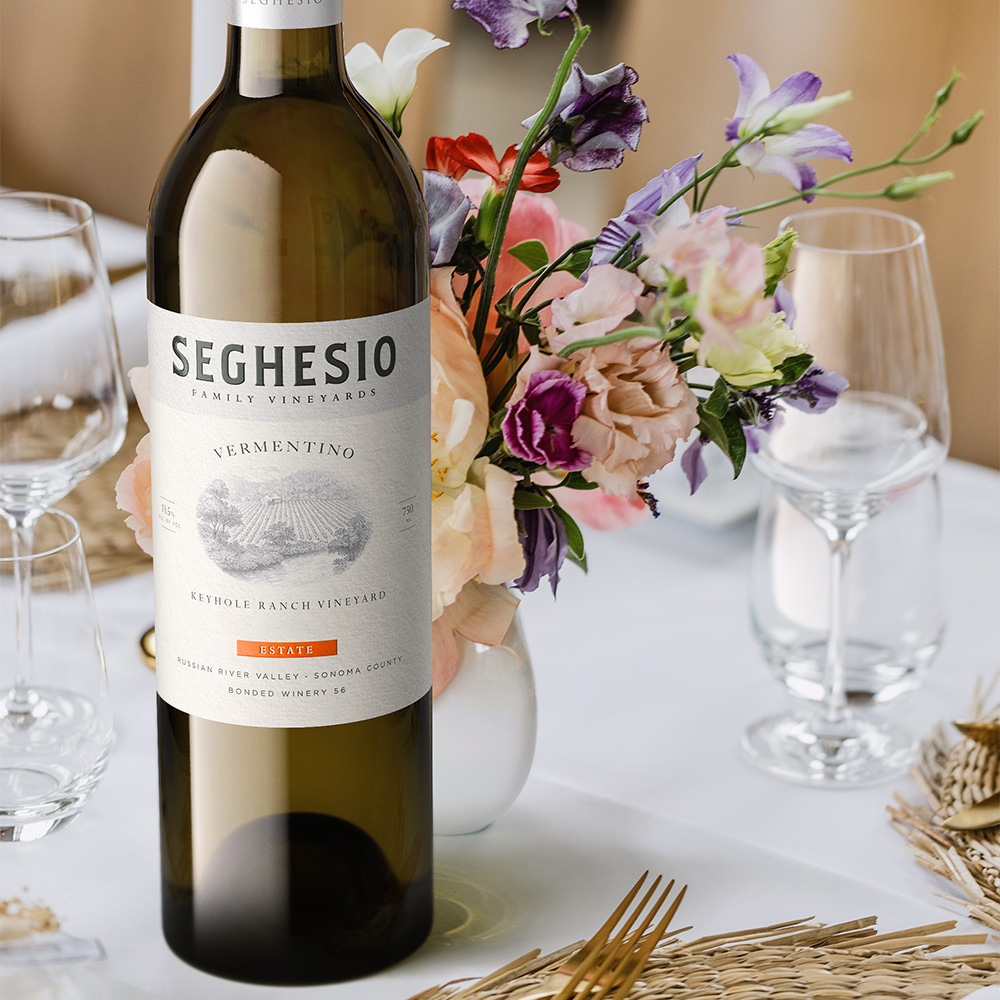
Commonly grown in Italy and along the Mediterranean coast, Vermentino offers the refreshing qualities people enjoy in Pinot Grigio while bringing a little more personality.
Expect notes of:
- Citrus
- Pear
- Green apple
- Herbs
- A slight seaside freshness
It’s one of those wines that feels effortless. You don’t have to think too hard about it. You simply pour a glass and enjoy it.
Which, honestly, is how wine should work most of the time.
If You Like Cabernet Sauvignon, Try Carménère
Cabernet Sauvignon is the king of red wine for many people. It’s bold, structured, and packed with dark fruit flavours.
But if you enjoy Cabernet and want to discover something a little different, Carménère is a great place to start.

Originally from France but now most closely associated with Chile, Carménère offers many of the characteristics Cabernet drinkers enjoy.
You’ll often find:
- Blackberry
- Plum
- Dark cherry
- Spice
- Soft herbal notes
The biggest difference?
Carménère often feels softer and more approachable. It has plenty of flavour but typically less aggressive tannin, making it easier to enjoy with or without food.
And because it flies under the radar compared to Cabernet, it often represents outstanding value.
If You Like Pinot Noir, Try Gamay
Pinot Noir lovers are usually looking for elegance rather than power. They enjoy red fruit flavours, freshness, and wines that don’t feel heavy.
That’s where Gamay shines.

Best known from France’s Beaujolais region, Gamay offers many of the things people love about Pinot Noir while often costing significantly less.
Expect:
- Cherry
- Raspberry
- Strawberry
- Floral notes
- Bright acidity
Gamay is incredibly food-friendly and easy to drink. It’s also one of the best reds to serve with a slight chill during warmer weather.
If you enjoy Pinot Noir but don’t enjoy Pinot Noir prices, Gamay might become your new best friend.
If You Like Malbec, Try Mencía
Malbec has become hugely popular thanks to its rich fruit and smooth texture.
For those looking to explore beyond Argentina’s superstar grape, Mencía offers a fascinating alternative.
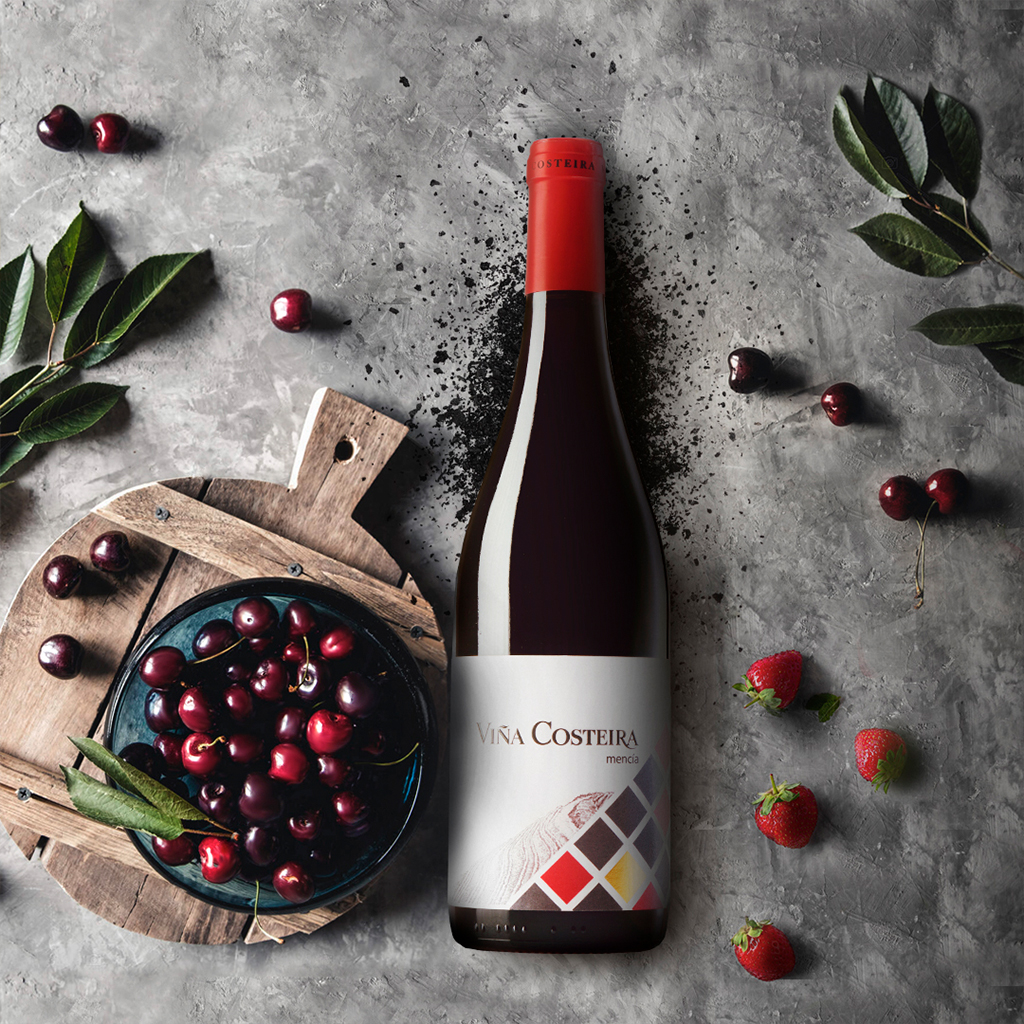
Primarily grown in northwestern Spain, Mencía combines fruit intensity with freshness.
You’ll often find:
- Blackberry
- Cherry
- Floral notes
- Spice
- Earthy undertones
It delivers plenty of flavour without becoming overly heavy. Think of it as a bridge between powerful wines and elegant wines.
It has enough substance to satisfy Malbec drinkers while offering a bit more freshness and complexity.
If You Like Prosecco, Try Cava
Prosecco has become the default sparkling wine for many people. It’s affordable, approachable, and easy to enjoy.
But Spain’s Cava deserves much more attention than it receives.

Unlike Prosecco, which is generally fruit-driven and straightforward, Cava often brings more complexity while remaining affordable.
You may notice:
- Citrus
- Apple
- Toasty notes
- Fresh bread
- Almond
Because of the way it’s produced, Cava often delivers a more Champagne-like experience without the Champagne price tag.
For anyone who enjoys bubbles, it’s one of the easiest upgrades available.
If You Like Champagne, Try Crémant
Many people assume that if a sparkling wine isn’t Champagne, it’s automatically a step down. That’s simply not true.
Crémant refers to sparkling wines made in France outside the Champagne region using similar production methods.

The result?
You often get:
- Fine bubbles
- Fresh acidity
- Toasty complexity
- Elegant texture
At a fraction of the cost.
Crémant from regions like Alsace, Burgundy, or the Loire Valley can deliver tremendous value for wine lovers who appreciate traditional-method sparkling wines.
It’s one of the smartest purchases in the wine store if you’re looking for quality without stretching your budget.
The Fun of Wine Is Discovering What You Didn’t Know You’d Like
One of the biggest myths in wine is that once you’ve found your favourite grape, you’re done.
In reality, that’s where the journey gets interesting.
If you love Sauvignon Blanc, there are dozens of wines that might offer something similar but different. If you’re a Cabernet drinker, there are entire regions producing wines you’ll probably love.
The goal isn’t to abandon your favourites. It’s to expand your options.
Because every time you discover a new grape, you give yourself another bottle to reach for when you’re standing in the wine aisle wondering what to buy.
And who knows? Your next favourite wine might be sitting on the shelf right now with a name you’ve never pronounced before.
The good news is that wine doesn’t care if you pronounce it correctly. It only cares whether you enjoy what’s in the glass. And if you do? That’s good wine. Just like we’ve been saying all along.