


The benefits of walking are often overlooked in a world obsessed with intense workouts and fitness trends. Yet walking remains one of the most effective ways to improve cardiovascular health, boost mood, reduce stress, and build long-term fitness—all without needing a gym membership.
Social media doesn’t help either. Our feeds are filled with videos of people pushing sleds, completing impossible workouts, or boasting about waking up at 5 a.m. to train.
It’s easy to come away with the impression that if you’re not sweating buckets or leaving the gym barely able to walk, you’re somehow falling short.
But what if one of the most effective forms of exercise wasn’t flashy at all?
What if it didn’t require expensive equipment, a gym membership, or years of experience?
What if one of the best things you could do for your body was something you’ve been capable of doing since you were a toddler?
Walking rarely gets the attention it deserves, yet it’s one of the most researched forms of physical activity in the world. Study after study continues to show that a regular walking routine can improve cardiovascular health, reduce the risk of chronic disease, support mental well-being, strengthen muscles and bones, and even help you live longer.
It may not look impressive on Instagram, but walking might just be the most underrated workout you can do.
Why Walking Works So Well
Walking is often underestimated because it feels easy. Unlike many high-intensity workouts, walking places less stress on the joints while still providing meaningful health benefits.
Regular walking can help:
- improve heart health
- increase energy levels
- support mobility and balance
- reduce stress hormones
- improve blood sugar regulation
- boost creativity and focus
Perhaps most importantly, walking is one of the few forms of exercise that many people can maintain for years, making it highly sustainable.
Walking Is More Powerful Than Most People Realize
Because walking feels easy, many people assume it isn’t providing much of a workout. That’s one of its greatest misconceptions.
Exercise doesn’t have to leave you gasping for breath to produce meaningful health benefits. In fact, moderate-intensity activity is exactly what many health organizations recommend for long-term health.
Walking elevates your heart rate, strengthens your cardiovascular system, improves circulation, and engages dozens of muscles throughout your body—all while placing far less stress on your joints than many higher-impact activities.
For people just beginning a fitness journey, walking provides an accessible starting point. For experienced athletes, it serves as an excellent recovery workout. And for older adults, it offers one of the safest and most sustainable ways to stay active throughout life.
In other words, walking isn’t a lesser workout. It’s simply a different kind of training with an impressive list of benefits.
Your Heart Loves a Daily Walk
Heart disease remains one of the leading causes of death worldwide, making cardiovascular health one of the most important reasons to stay active.

Walking regularly helps strengthen the heart muscle, improve blood circulation, and reduce blood pressure. It also helps improve cholesterol levels and blood sugar regulation—two major factors associated with heart disease and type 2 diabetes.
Research has shown that people who walk consistently often have a lower risk of developing cardiovascular disease compared to those who lead sedentary lifestyles.
You don’t need to walk for hours every day to experience these benefits. Even 30 minutes of brisk walking in one of Edmonton’s local paths or neighbourhoods. most days of the week can significantly improve heart health over time.
Walking Is Excellent for Mental Health
While many people begin walking to improve their physical health, they often continue because of how it makes them feel mentally.
There’s something uniquely calming about heading outside, putting one foot in front of the other, and allowing your mind to slow down.
Walking has been shown to help reduce symptoms of stress, anxiety, and mild depression. Physical activity stimulates the release of endorphins—your body’s natural mood boosters—while also lowering levels of cortisol, one of the primary stress hormones.
Walking outdoors may provide even greater benefits.
Exposure to green spaces, parks, river valleys, and natural environments has been associated with reduced stress, improved mood, and greater feelings of well-being.
For Edmonton residents, that’s good news. Whether you’re strolling through the North Saskatchewan River Valley, exploring Mill Creek Ravine, walking around Hawrelak Park when it reopens, or simply enjoying your neighbourhood, you’re supporting both your physical and mental health at the same time.
It Supports Healthy Weight Management
Walking may not burn calories as quickly as running or cycling, but consistency often matters more than intensity.
One of the biggest reasons people abandon exercise programs is that they’re simply too difficult to maintain.
Walking is different.
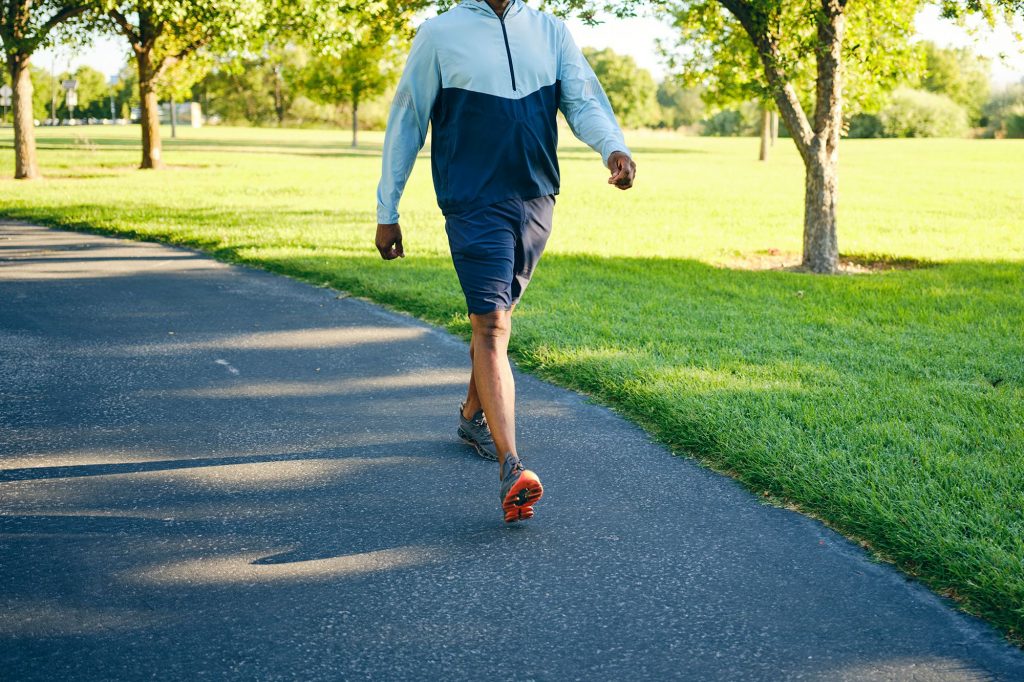
Because it’s relatively low-impact, people are far more likely to stick with it over months and years. That consistency adds up.
Regular walking helps increase daily calorie expenditure, preserve lean muscle mass, improve insulin sensitivity, and support long-term weight management. Combined with balanced nutrition, walking can become an important part of achieving and maintaining a healthy weight.
Instead of focusing solely on calories burned during one workout, think about the hundreds of walks you’ll take over the course of a year.
Walking Is Easier on Your Joints
Not everyone’s body enjoys running.
Whether it’s previous injuries, arthritis, excess weight, or simply aging, high-impact exercise isn’t always practical.
Walking offers many of the same cardiovascular benefits while placing significantly less stress on the knees, hips, ankles, and lower back.
In fact, regular movement can actually help reduce joint stiffness by improving circulation and lubricating the joints.
For people recovering from injury or returning to exercise after a long break, walking often provides the perfect balance between movement and recovery.
It Helps Keep Your Brain Sharp
Physical activity doesn’t just strengthen muscles—it benefits the brain as well.

Researchers continue to discover strong links between regular exercise and cognitive function. Walking increases blood flow to the brain, helping deliver oxygen and nutrients that support healthy brain function.
Studies suggest that regular walking may improve:
- Memory
- Concentration
- Problem-solving skills
- Creativity
- Learning ability
Emerging research also suggests physically active adults may have a lower risk of age-related cognitive decline compared to those who remain sedentary.
That’s a powerful reminder that every walk is an investment in both your current and future health.
Walking Can Be Surprisingly Social
One of the biggest barriers to maintaining an exercise routine is feeling like it has to be done alone.
Walking offers the opposite experience.
It’s one of the easiest activities to share with family, friends, neighbours, or coworkers. Walking meetings have become increasingly popular in workplaces, while community walking groups continue to grow across Canada.
Conversation also feels different while walking. Without the pressure of sitting face-to-face across a table, many people find discussions become more relaxed and meaningful.
It’s no coincidence that some of the best conversations happen on a walk.
The “10,000 Steps” Myth
Few fitness numbers are as well known as 10,000 steps per day.
Interestingly, that figure didn’t originate from medical research. It began as part of a Japanese marketing campaign for a pedometer in the 1960s.
While 10,000 steps remains an excellent goal for many people, current research suggests meaningful health benefits begin well before reaching that number.
Depending on age and health status, many studies have found improvements in longevity and overall health with approximately 6,000 to 8,000 daily steps, particularly for older adults.
The takeaway?
Don’t let perfection prevent progress.
If you’re currently walking 2,000 steps a day, aiming for 4,000 is a tremendous improvement.
Every additional step counts.
Simple Ways to Walk More Every Day
Building more walking into your routine doesn’t require major lifestyle changes. Often, small adjustments produce the greatest long-term success.
Consider trying a few of these strategies:
- Take a 20- to 30-minute walk after dinner.
- Park a little farther from your destination.
- Walk while talking on the phone.
- Schedule walking meetings when possible.
- Explore a new neighbourhood or local trail each weekend.
- Walk with a friend instead of meeting for coffee.
- Use part of your lunch break for a quick walk outdoors.
The goal isn’t perfection—it’s consistency.
Walking Is Exercise You Can Keep for Life
Fitness trends come and go.
Every year brings a new workout craze promising dramatic transformations in record time. Some are effective, while others disappear almost as quickly as they arrive.
Walking has quietly stood the test of time.
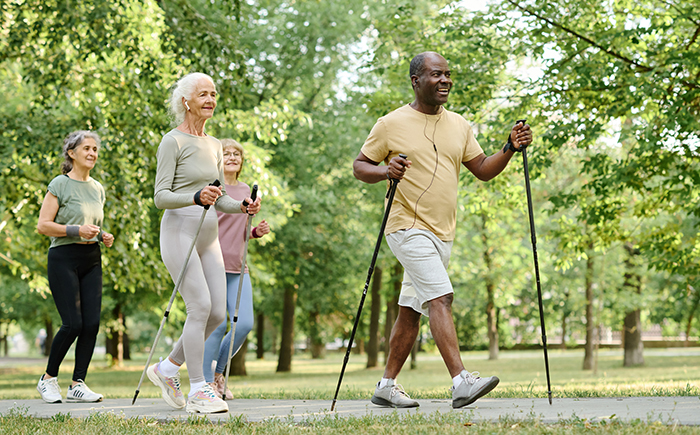
It’s accessible, affordable, adaptable, and sustainable. Whether you’re 25 or 85, recovering from injury or training for your next race, walking has something to offer.
Perhaps that’s why so many longevity experts include daily walking among their most consistent health recommendations.
It’s not because walking is exciting.
It’s because it works.
Every Step Is an Investment in Your Future
One walk probably won’t transform your health overnight.
Neither will one healthy meal or one good night’s sleep.
But repeated consistently over weeks, months, and years, these simple choices begin to shape the quality of your life.
Walking improves your heart, supports your brain, strengthens your muscles, boosts your mood, and helps reduce the risk of many chronic diseases. Just as importantly, it’s something almost anyone can begin today.
So the next time you’re wondering whether a walk is “enough,” remember this:
You don’t always need the hardest workout.
Sometimes the best workout is simply the one you’ll actually do—and keep doing.