
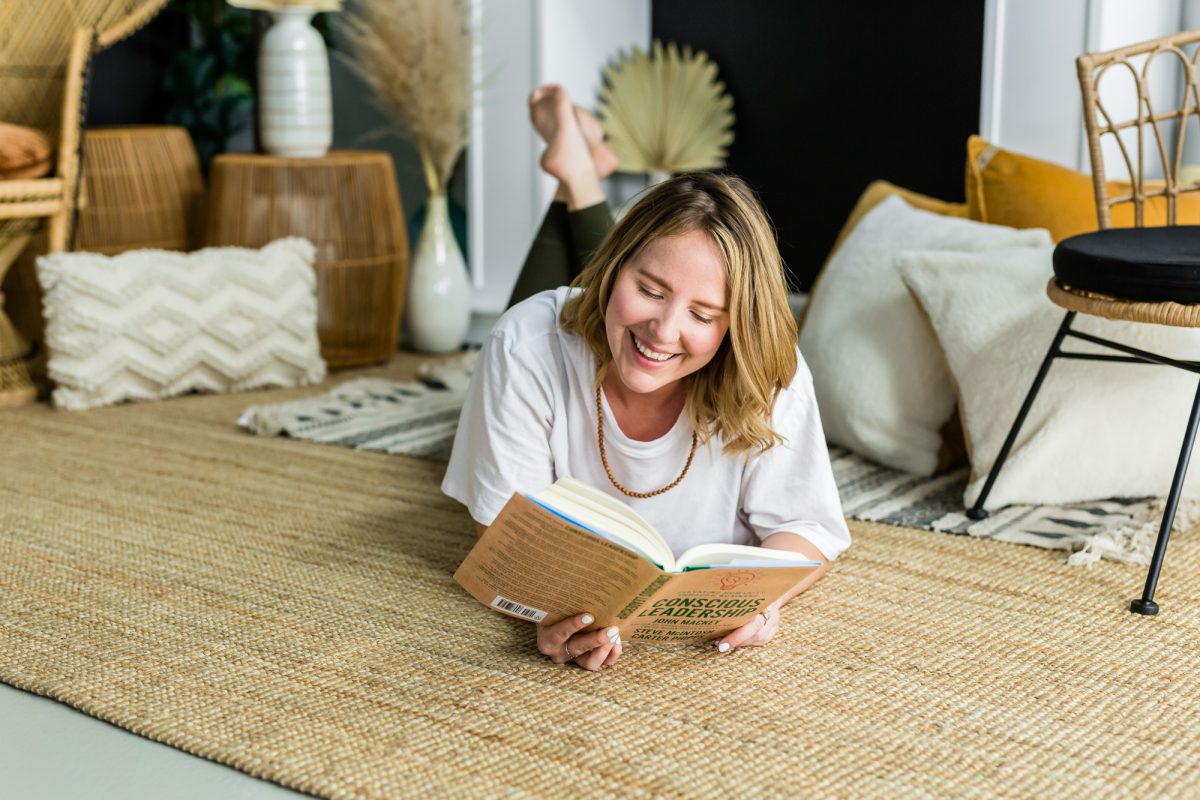

Living a more analog life is becoming a quiet rebellion against constant notifications, endless scrolling, and the pressure to always be “on.”
In response, more people are quietly choosing something different: an analog lifestyle.
It’s not about rejecting technology entirely or moving off-grid. It’s about rebalancing — choosing presence over constant stimulation, real-world experiences over digital ones, and slower, more intentional ways of living.
In a city like Edmonton, with its long winters, river valley trails, neighbourhood cafés, and strong sense of community, an analog lifestyle isn’t just possible — it actually makes a lot of sense.
What Does Living a More Analog Life Mean?
An analog lifestyle prioritizes real, tactile, offline experiences over digital ones.
It often includes:
- spending intentional time without your phone
- moving your body without tracking every metric
- choosing in-person connection over online interaction
- reading physical books instead of endless feeds
- walking, writing, cooking, and creating without documenting it
Analog living doesn’t mean technology is bad. It means technology is no longer in charge.
The goal isn’t perfection — it’s presence.
Why People Are Choosing an Analog Lifestyle
This shift isn’t a trend for aesthetics. It’s a response to very real burnout.
1. Digital Overload Is Affecting Mental Health
Constant screen use has been linked to:
- increased anxiety
- difficulty concentrating
- poor sleep
- emotional fatigue
People are craving nervous system relief — not another app.
2. Productivity Culture Is Exhausting
When every moment is optimized, tracked, or shared, rest stops feeling like rest.
Analog moments allow you to:
- exist without output
- move without performance
- connect without comparison
3. People Miss Feeling Connected
Likes and comments aren’t the same as walking beside someone, sharing a conversation, or sitting quietly together.
Analog living restores human-scale connection.
What an Analog Lifestyle Looks Like in Practice
It’s not dramatic. It’s subtle — and that’s why it works.
An analog life might look like:
- leaving your phone at home for a short walk
- meeting a friend without taking photos
- journaling instead of posting
- listening instead of multitasking
- doing one thing at a time
Small shifts add up.
How to Start Living a More Analog Life
You don’t need to change everything. Start with one or two practices that feel supportive — not restrictive.
1. Walk Without an Agenda
Edmonton is made for walking, especially through its neighbourhoods and river valley.
Try:
- walking without headphones
- leaving your phone in your pocket (or at home)
- noticing architecture, trees, sounds, and light
Walking is one of the most accessible analog practices — and one of the most grounding.
2. Reclaim Coffee, Wine, and Meals as Offline Moments
Instead of scrolling while you sip:
- sit with your drink
- read something physical
- have an unhurried conversation
- people-watch
Edmonton’s café and wine culture is rich — let it be an experience, not content.
3. Read Physical Books (or Newspapers)
There’s something regulating about holding a book or paper.
It slows your pace.
It deepens focus.
It gives your eyes a break.
Libraries, independent bookstores, and even thrift shops make this easy and affordable.
4. Move Your Body Without Tracking It
You don’t need a watch to know you moved.
Analog movement includes:
- walking
- stretching
- skating
- skiing
- yoga
- casual cycling
Move for how it feels — not how it looks on a screen.
5. Create Small “Phone-Free” Rituals
Instead of all-or-nothing digital detoxes, try:
- phone-free mornings
- no-phone walks
- devices off during meals
- screen-free evenings once a week
Consistency matters more than intensity.
Analog Living in Edmonton: Real Examples
An analog lifestyle doesn’t require leaving the city — it often thrives because of it.

In Edmonton, analog moments can include:
- winter walks through neighbourhood streets
- skating or skiing without music
- community events that don’t revolve around phones
- slow weekends built around movement, food, and conversation
The city offers space — if you let yourself use it.
Why Community Matters in Analog Living
One of the hardest parts of living more analog is doing it alone — especially when everyone else seems glued to their screens.
That’s where community matters.
This is why projects like The Offline Collective exist — to create intentional, phone-free spaces where people can move, connect, and slow down together.
The Offline Collective brings people together for:
- guided neighbourhood walks
- shared wellness moments
- simple movement without performance
- real conversations, in real time
No photos. No phones. No pressure.
Just presence.
Why Walking Is the Perfect Analog Practice

Walking sits at the intersection of:
- movement
- mental health
- creativity
- connection
It doesn’t require equipment, subscriptions, or expertise. It simply asks you to show up.
In a world obsessed with faster, harder, and more, walking is quietly radical.
You Don’t Have to Be Perfect to Be Analog
Living an analog lifestyle doesn’t mean:
- deleting all apps
- avoiding technology forever
- becoming rigid or self-righteous
It means choosing enough.
Enough connection.
Enough movement.
Enough quiet.
Enough presence.
And letting that be sufficient.
Final Thoughts: Slowing Down Is a Skill
Analog living isn’t nostalgic — it’s adaptive.
As our world becomes faster and louder, the ability to slow down, pay attention, and connect deeply becomes a form of resilience.
For Edmontonians, this lifestyle is already within reach — in our streets, parks, cafés, and communities.
If you’re curious about exploring this way of living alongside others, follow along with The Offline Collective, join a walk, and experience what it feels like to be fully present again — even for an hour.
Sometimes the most meaningful upgrade isn’t digital at all.
Frequently Asked Questions About Living a More Analog Life
Living a more analog life means being intentional about how and when you use technology, and creating more space for offline activities like walking, reading, conversation, and reflection.
Not at all. Analog living isn’t about rejecting technology — it’s about using it with purpose instead of defaulting to constant scrolling or notifications.
Yes. Most people start small by setting boundaries around screen time, creating tech-free moments, or choosing offline activities that fit naturally into their routine.
Start with one simple change — a phone-free walk, a notebook instead of a notes app, or an evening without screens. Small, consistent shifts make the biggest impact over time.