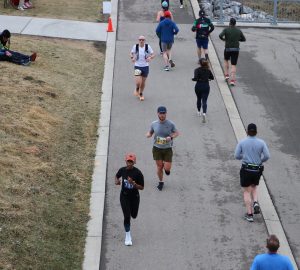


Even experienced runners make summer running mistakes that can increase the risk of injury, dehydration, and burnout. Rising temperatures, changing routines, and overenthusiasm can quickly turn a great season of training into weeks on the sidelines.
After months of icy sidewalks, treadmills, and wondering if spring would ever actually arrive, the city’s trails come alive. The river valley fills with runners logging early morning kilometres before work. Running clubs gather outside local cafés. Weekend races begin appearing on the calendar, and even people who haven’t run since high school start thinking, Maybe I’ll sign up for that 10K.
Summer has a way of inspiring movement.
But there’s a catch.
That same enthusiasm that gets people lacing up their shoes again can also increase the risk of injury.
Many runners become frustrated when their pace slows in the heat. However, this is a normal physiological response. The body works harder to regulate temperature, which can increase heart rate and perceived effort even at familiar speeds.
Adjusting expectations and focusing on effort rather than pace is often one of the smartest things runners can do during the summer months.
Every year, runners make the same well-intentioned mistakes. They run too far, too fast, in conditions their bodies haven’t adapted to. They ignore recovery, underestimate the heat, and assume that because running feels natural, preparation isn’t necessary.
The result? A season that starts with excitement and ends with shin splints, plantar fasciitis, sore knees, or weeks on the sidelines.
The good news is that most summer running injuries are preventable. With a little patience and awareness, you can enjoy everything Edmonton’s running season has to offer—without ending up icing your Achilles tendon on the couch.
Mistake #1: Doing Too Much, Too Soon
It might be the most common running mistake of all.

The weather turns beautiful, race registrations open, and suddenly someone who has been relatively inactive decides to run five kilometres every day because, this time, they’re serious about getting fit.
The motivation is admirable.
The strategy? Not so much.
Your cardiovascular system often adapts faster than your muscles, tendons, and joints. You may feel capable of running farther or faster than your body is actually prepared to handle. The excitement of progress can trick you into believing you’re ready for more.
Unfortunately, connective tissues don’t always agree.
A better approach is gradual progression. Many coaches recommend increasing your weekly mileage by no more than 10 percent at a time. It might feel conservative, especially when you’re motivated, but patience is often what keeps runners healthy enough to keep showing up.
Research shows that exercising in hot weather places additional demands on the cardiovascular system. Elevated temperatures can increase perceived effort, accelerate dehydration, and affect performance. Gradual adaptation to heat, proper hydration, and appropriate pacing are important strategies for reducing injury risk and maintaining training consistency.
Remember: consistency beats intensity.
Mistake #2: Ignoring the Heat
Edmonton’s summers aren’t known for tropical humidity, but when temperatures climb into the high twenties or low thirties, running becomes a very different experience.

Heat places additional stress on your body. Your heart works harder, sweat rates increase, and dehydration becomes a much bigger concern.
Yet many runners continue to chase the same pace they maintained during cooler conditions.
That’s a recipe for trouble.
Instead, adjust your expectations.
On hotter days:
- Slow your pace.
- Run earlier in the morning or later in the evening.
- Choose shaded routes when possible.
- Carry water on longer runs.
- Pay attention to how you feel.
Heat exhaustion can develop quickly, especially if you’re not acclimated. Symptoms such as dizziness, nausea, chills, confusion, or excessive fatigue shouldn’t be ignored.
Your body isn’t failing you if you slow down in the heat.
It’s adapting intelligently.
Mistake #3: Wearing the Wrong Shoes
Running shoes aren’t magic.

They won’t instantly make you faster, eliminate every ache, or transform your stride.
But they do matter.
Many runners hold onto shoes long after they’ve lost their cushioning and support. Others choose footwear based entirely on appearance rather than fit.
Worn-out shoes can contribute to a variety of issues, including:
- Knee pain
- Shin splints
- Plantar fasciitis
- Achilles discomfort
- Hip soreness
Most running shoes are designed to last between 500 and 800 kilometres, depending on factors such as body weight, running style, and terrain.
If you’re unsure whether it’s time for a replacement, visit a specialty running store. Edmonton has several knowledgeable retailers that can assess your gait and recommend options suited to your needs.
The trendiest shoe isn’t necessarily the right shoe.
Comfort wins every time.
Mistake #4: Skipping Strength Training
Many runners love running because it’s simple.

Put on shoes.
Walk out the door.
Start moving.
But simplicity can sometimes lead people to neglect an important piece of injury prevention: strength training.
Running places repetitive demands on the body. Weak glutes, unstable hips, and underdeveloped core muscles can alter running mechanics and increase stress on certain tissues.
The good news is that you don’t need to spend hours lifting weights.
Two short strength sessions per week can make a meaningful difference.
Focus on exercises that target:
- Glute strength
- Core stability
- Single-leg balance
- Calf strength
- Hip mobility
Think of strength training as insurance for your running.
It supports the movement you love doing most.
Mistake #5: Treating Every Run Like a Race
Not every run needs to be hard.

This is surprisingly difficult advice for many runners to follow.
Technology doesn’t help.
Watches track pace, heart rate, and splits. Apps celebrate personal records. Social media turns every workout into a performance opportunity.
The temptation is to push.
Every.
Single.
Run.
But your body needs variety.
Most successful runners spend the majority of their training running at an easy, conversational pace. These lower-intensity efforts build aerobic fitness while allowing the body to recover and adapt.
Running experts continue to recommend adjusting pace, prioritizing hydration, and gradually adapting to warmer temperatures during summer training.
A balanced week might include:
- Easy runs
- One speed session
- One longer run
- Recovery days
The goal isn’t to prove your fitness every time you lace up.
It’s to build it gradually.
Mistake #6: Neglecting Recovery
Recovery isn’t laziness.
It’s training.
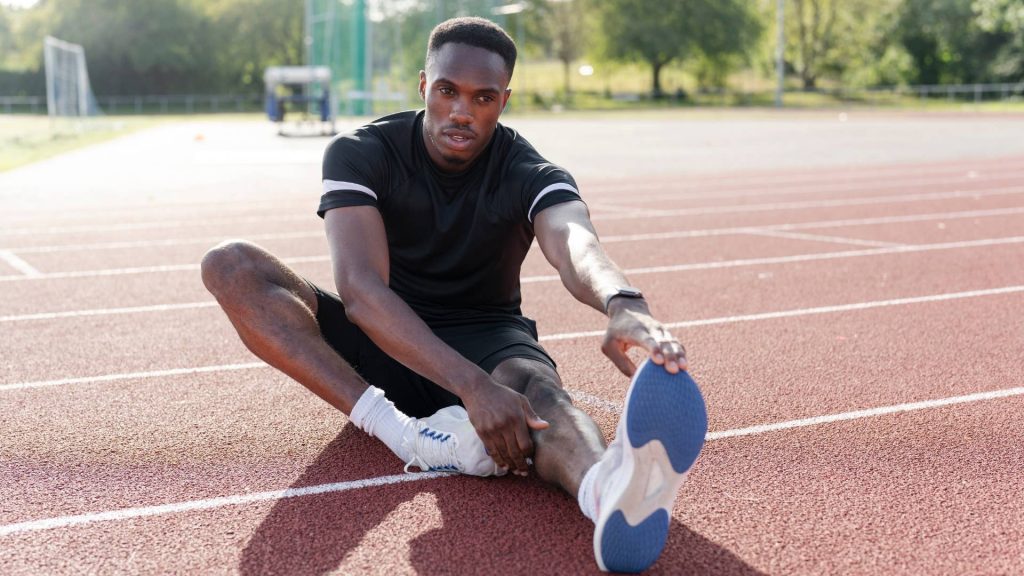
Sleep, nutrition, hydration, and rest days all contribute to your ability to perform and adapt.
Unfortunately, recovery often gets treated as optional.
You squeeze in another run despite feeling unusually sore. You cut sleep short to fit training into your schedule. You ignore small aches because you’re worried about losing momentum.
Sometimes that works.
Eventually, it catches up with you.
Pay attention to warning signs such as:
- Persistent fatigue
- Declining performance
- Increased irritability
- Ongoing soreness
- Difficulty sleeping
- Loss of motivation
Rest days allow your body to rebuild stronger.
Without recovery, progress becomes much harder to sustain.
Mistake #7: Ignoring Small Pains
One of the most dangerous phrases in running culture is:
“It’s probably nothing.”
Sometimes it is.
Sometimes it isn’t.

There’s a difference between normal training discomfort and pain that changes how you move.
If a nagging issue persists for several runs, worsens over time, or alters your gait, it’s worth paying attention.
Seeking advice from a physiotherapist or sports medicine professional early can prevent a minor problem from becoming a major setback.
Many injuries don’t appear overnight.
They whisper before they scream.
Listening early often means getting back to running sooner.
Enjoy the Season, Not Just the Finish Line
Summer running in Edmonton offers so much more than race medals and training plans.
It means early morning runs through Mill Creek Ravine while the city is still quiet. It means watching the sun rise over Victoria Promenade. It means chatting with friends during neighbourhood runs and discovering hidden pathways in the river valley.
The beauty of running isn’t found only at the finish line.
It’s found in the routine itself.
The conversations.
The fresh air.
The sense of accomplishment that comes from simply showing up.
Final Thoughts
If you’re training for the Edmonton Marathon, preparing for your first 5K, or simply enjoying movement outdoors this summer, remember that staying healthy is just as important as getting faster.
Build gradually.
Respect the heat.
Replace your shoes when necessary.
Strength train.
Recover well.
And don’t ignore what your body is trying to tell you.
Running should enhance your life, not sideline it.
Because the goal isn’t just to have a great race this summer.
It’s to still be running—and loving it—long after the season comes to an end.