

Good wine education should make choosing a bottle easier, not more intimidating. Why Chenin Blanc Might Be the Most Underrated White Wine for Fall is about finding pleasure in the differences between places, grapes and styles, and discovering how wine can complement food and conversation. A little background helps, but there is no requirement to speak fluent sommelier before inviting friends over.
A grape with more than one personality
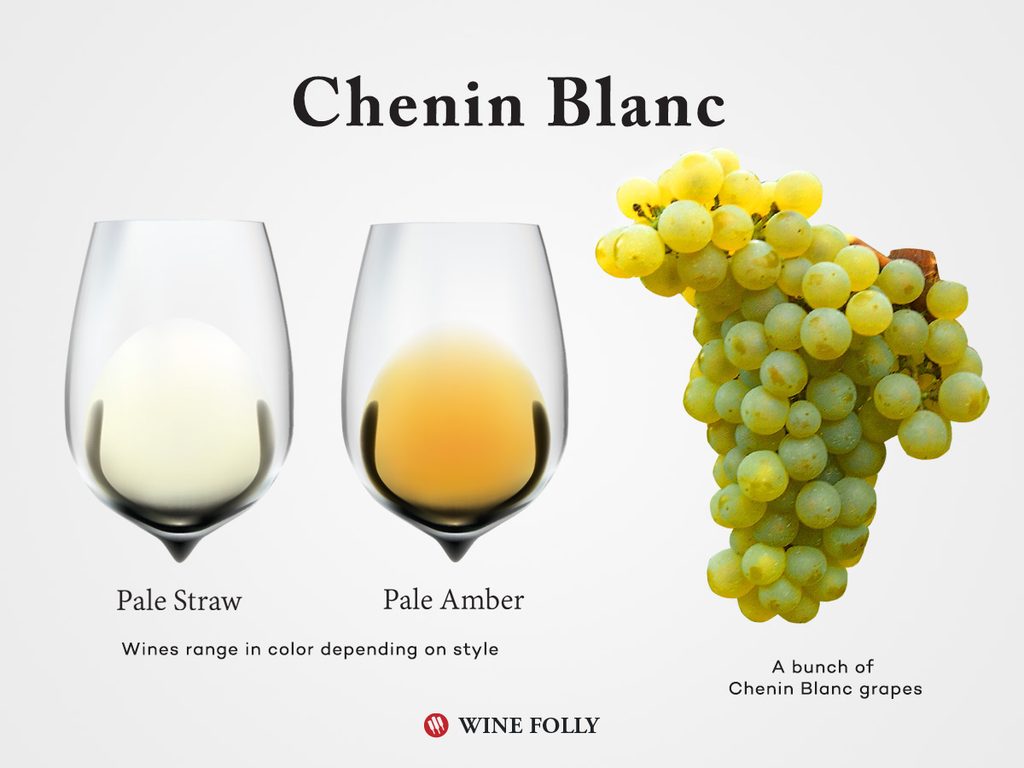
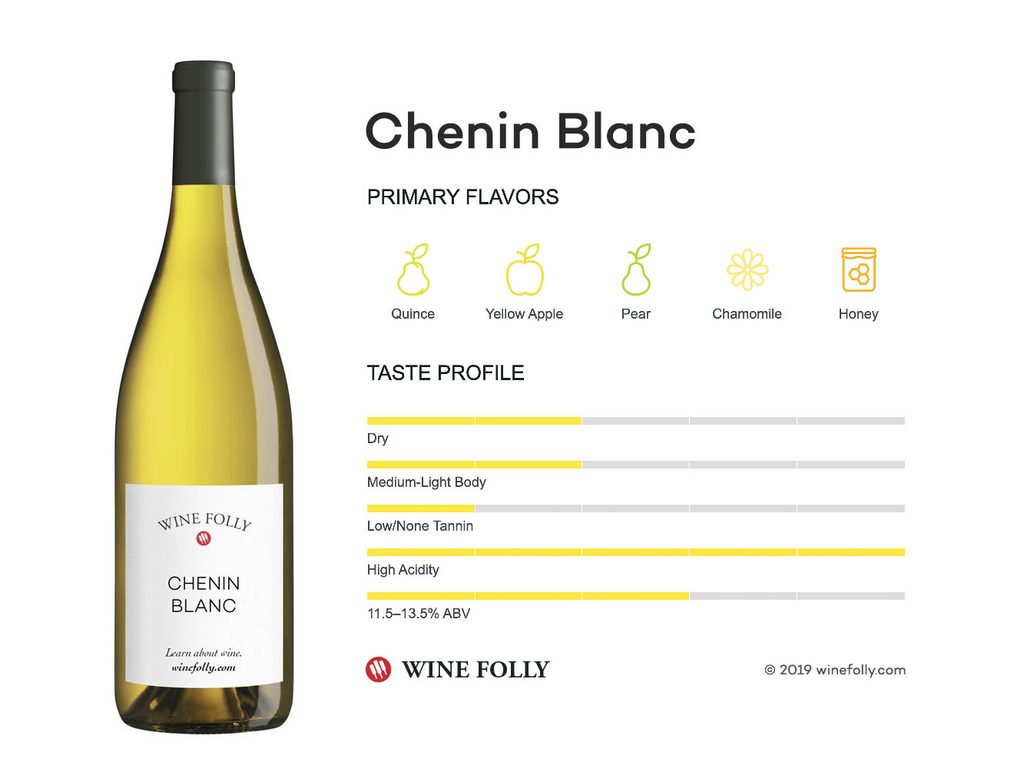
Chenin Blanc can make sparkling wine, bone-dry white, textured still wine and richly sweet bottles. That versatility makes it difficult to reduce to one flavour profile—and especially useful for seasonal food. High acidity is a common feature, but sweetness, alcohol, body and aromas vary with growing conditions and winemaking. When someone says they do not like Chenin, it is worth asking which style they tried. A crisp Loire example and a generous South African bottling can feel like distant relatives rather than twins.
The Loire Valley foundation
France’s Loire Valley is Chenin’s historic reference point. Appellations such as Vouvray, Anjou and Savennières offer different expressions of the grape. Some wines are lean and dry; others have off-dry or sweet profiles, and many can age beautifully. Acidity helps balance richness and residual sugar. The place name alone does not guarantee a single sweetness level, so checking the producer’s details or asking the retailer is sensible. Think apple, citrus, quince, honeyed notes or mineral impressions, depending on style.
South Africa’s remarkable range
South Africa has embraced Chenin Blanc in ways that extend far beyond inexpensive everyday white wine. Producers work with both younger and established vineyards, and some use older vines to create concentrated, textured bottles. Styles may feature orchard fruit, citrus, tropical notes or savoury complexity. Oak and lees contact can add richness, but not every wine receives that treatment. Wines of South Africa provides a useful place to begin exploring regions and producers. The best comparison is about character, not declaring one country the winner.
Why it suits autumn cooking
Cooler-weather meals often contain roasted vegetables, herbs, creamy textures and savoury depth. A dry Chenin with fresh acidity can cut through rich chicken dishes or creamy pasta, while a rounder style may echo the softness of roast squash. A slightly off-dry bottle can also work with some spicy food, depending on the dish. The guiding principle is to match intensity and balance rather than rely on rigid rules. Taste the sauce as carefully as the main ingredient.
Try a simple pairing at home
Roast chicken with herbs, potatoes and carrots is an excellent starting point. Open a bright dry Chenin and, if possible, a fuller example. Taste each before eating, then with a bite of chicken and a roasted vegetable. Notice whether the wine feels fresher, fruitier or more textured. The dish may reveal qualities that seemed hidden when tasting alone. If you do not want to open two bottles, try one wine with several parts of the meal and take a few notes.
Ask better questions in the wine shop
Tell the retailer whether you like crisp Sauvignon Blanc or richer Chardonnay, your budget and what you plan to cook. Ask whether the Chenin is dry, off-dry or sweet, and whether oak influences the style. Those questions will do more than simply asking for the best bottle. Chenin’s versatility can be confusing at first, but it becomes a strength once you know the distinctions. A thoughtful bottle can be memorable without being expensive or obscure.
A simple way to taste more confidently
Pour a modest sample into a clean glass and notice its colour, aroma, acidity, sweetness, body and finish. Do not worry about identifying an impressive list of fruits or flowers. A description such as fresh, bright, creamy, drying or savoury is often more useful than an elaborate tasting note. Taste a small bite of food, return to the wine and see what changes. This is where pairing starts to make sense. Different people will notice different things, and that is part of the enjoyment rather than a problem to correct.
Buying wine without the snobbery
Before visiting a wine shop, decide on your budget, the occasion and the style you usually enjoy. Tell the staff whether you prefer refreshing acidity, soft tannin, richer texture or a touch of sweetness. Ask for two possibilities and what distinguishes the producers, not simply which bottle has the best label. Stock, vintages and pricing can vary across Edmonton retailers, so specific recommendations should always be checked locally. A less famous appellation can deliver tremendous enjoyment, but no region or price point guarantees a perfect match for every palate.
Hospitality always comes first
Wine should support a meal and the people sharing it, not become the centre of attention unless guests specifically want a tasting. Put water on the table, offer satisfying food and make alcohol-free drinks as appealing as alcoholic ones. A guest should never need to explain why they are not drinking. The health risks of alcohol are real, so avoid describing consumption as a wellness practice. The most successful wine education encourages informed choices, sensible serving and curiosity without pressure.
Reading a label without guessing
A bottle label can reveal origin, producer, vintage and sometimes grape varieties or sweetness indications. It usually does not tell you everything about texture, flavour or how the wine was made. Appellation rules are helpful background, but individual producers can express the same region differently. If you are unsure, a retailer can explain the difference between two bottles in ordinary language. Ask about acidity, tannin, oak, sweetness and food pairing. These details lead to a better purchase than a gold medal sticker or a vague promise that a wine is smooth.
Frequently asked questions
What is the best way to begin with Chenin Blanc food pairing? Start with one manageable choice and a reliable source of information. Match your plan to the situation rather than copying an idealized version from social media.
What if my first attempt does not work? Adjust the timing, approach or expectations and try again.
How do I know if something is right for me? Consider your goals, comfort, cost and whether the experience adds value rather than unnecessary pressure.