

Fitness trends arrive faster than most of us can buy a new pair of running shoes. Yet the most useful question is often much simpler: how can winter fitness motivation improve everyday life in a way that is realistic, enjoyable and sustainable? For Edmonton readers, winter weather, family schedules and access to facilities all shape the answer. This guide looks beyond the headline to the habits worth keeping.
The season is a planning problem, not a character flaw
November in Edmonton can bring an impressive range of weather, often before we have located last year’s gloves. Short daylight hours, slippery footing and packed schedules change the practical cost of exercise. The answer is not to summon superhuman discipline. It is to build a winter version of your routine with fewer points of failure. Once we stop comparing November to a sunny July evening, it becomes easier to choose movement that actually fits the season.
Write down your minimum week
A minimum week might include two 25-minute strength sessions, several shorter walks and one enjoyable activity with another person. If that feels too ambitious, reduce it until it is believable. Set days and times, and make the sessions easy to start. A calendar appointment with yourself can help, but only if you treat it as flexible enough to adapt when life intervenes. The purpose is not to measure your virtue. It is to prevent an entire winter from disappearing into the phrase I will start again in spring.
Plan an indoor substitute
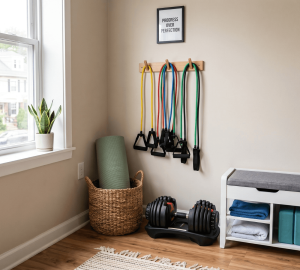
For every outdoor activity, identify a backup that can happen without elaborate preparation. A walk may become laps indoors where permitted, stair climbing or a simple home circuit. A missed run might become an easy stationary bike ride. Keep resistance bands or a pair of dumbbells accessible if you enjoy them. Indoor movement is not a consolation prize; it is part of a resilient plan. Edmonton conditions can change quickly, so your alternatives should be decided before you are standing at the door staring at freezing rain.
Respect the weather
Cold air is not automatically a reason to stay inside, but ice, poor visibility and extreme temperatures deserve respect. Dress in layers, manage moisture, choose traction appropriate to the surface and use reflective clothing in darkness. Check forecasts and local conditions. People with certain health concerns may need extra precautions. There is no benefit in turning a routine walk into a slip-and-fall risk. A safe indoor session can be a better fitness decision than a heroic outdoor one.
Small bouts have a place
Canadian movement guidelines emphasize overall patterns of activity, sedentary time and sleep. Not every benefit requires a formal hour-long workout. A brisk walk after lunch, a short mobility break between meetings or a few minutes of stairs can make a sedentary day more active. These movement snacks are especially helpful when time feels fragmented. They do not replace every component of a balanced exercise plan, but they lower the barrier to doing something instead of nothing.
Make winter movement social
A weekly class, walking friend or community recreation activity creates a second reason to leave the house. The conversation afterward may become just as appealing as the workout itself. If you prefer solitude, that is fine too; enjoyment matters more than following a fashionable format. Consider placing exercise earlier in the day if that suits your schedule and energy. Most importantly, stop treating a missed session as proof the entire plan has failed. Winter fitness is won through adaptation.
How to make the advice work in real life
Begin by looking honestly at the week you have rather than the week you wish you had. Block out your work, family obligations, commuting and rest, then identify two or three opportunities that would not require an extraordinary effort to protect. Short sessions at home may be more sustainable than an elaborate gym programme. If you already enjoy a sport or class, keep it; the aim is to fill gaps rather than replace everything familiar. Keep a backup option for days when Edmonton weather, travel or a scheduling surprise changes your plans.
A simple four-week experiment
During week one, choose manageable activities and record how they feel. In week two, repeat them and look for ways to make the routine easier to start: lay out clothing, book a class or arrange to meet someone. During week three, increase the challenge gently if your body is responding well. In week four, review what worked. The useful measure is not whether you achieved perfection but whether you found a pattern you would willingly repeat. If discomfort persists, or if you are managing a condition, get personalized advice.
What the research can and cannot promise
Population-level research can show that physical activity and resistance exercise improve important health outcomes, but no study can predict exactly how one person will respond to a specific routine. Different bodies, injuries, health histories and priorities matter. The best interpretation of evidence is therefore practical and humble. Use guidelines to establish direction, adapt intelligently and pay attention to results that matter outside a gym: steadier movement, strength for daily tasks, better endurance and greater confidence. A qualified professional can help when exercise choices feel uncertain.
Practical barriers deserve practical solutions
The financial and emotional barriers to an active life are easily overlooked. Not everyone can afford a boutique studio membership, change their work schedule or travel across the city for a class. Home routines, public facilities, walking routes and low-cost community programmes can be legitimate starting points. Try to eliminate one friction point at a time: place equipment somewhere visible, choose a route close to home or ask a friend to join you. A workable routine should fit the resources you already have. Consistency is built by reducing obstacles, not simply demanding more motivation.
Frequently asked questions
What is the best way to begin with winter fitness motivation? Start with one manageable choice and a reliable source of information. Match your plan to the situation rather than copying an idealized version from social media. What if my first attempt does not work? Adjust the timing, approach or expectations and try again. How do I know if something is right for me? Consider your goals, comfort, cost and whether the experience adds value rather than unnecessary pressure.
The YEG Thrive takeaway
A sensible fitness plan should make everyday life feel more capable, not become another source of judgement. Start with the smallest action worth repeating, adapt it to your health and circumstances, and use reputable guidance as a compass rather than a rigid checklist. Edmonton has many ways to move; your job is to find the combination you will actually continue.