


Understanding why we feel disconnected has become increasingly important in a world that is more digitally connected but often emotionally distant.
It’s a weird feeling. You’re busy. You’re doing things. You’re around people. But somehow… it still feels like something’s missing.
You scroll more than you’d like.
You cancel plans you were looking forward to.
You go through your day, and it all feels a little… flat.
That sense of disconnection isn’t uncommon right now. In fact, it’s becoming the norm.
While this experience is personal, the feeling of disconnection is being reported globally as people navigate busy schedules, digital overload, and fewer opportunities for meaningful in-person interaction.
Research from Harvard Health highlights the importance of social connection as a key factor in both mental and physical wellbeing.
But the good news is this:
You don’t need to disappear to the mountains or completely reinvent your life to fix it. Most of the time, it comes down to a few small things that have slowly drifted out of place.
Why We Feel Disconnected Today
Disconnection doesn’t usually show up overnight.
It builds quietly through a combination of habits, environments, and modern life doing what it does best—keeping us busy, stimulated, and slightly out of sync.
1. We’re Always “On” — But Rarely Present
We’re constantly connected. Texts, emails, notifications, group chats, updates. But being connected digitally doesn’t always translate to feeling connected in real life.
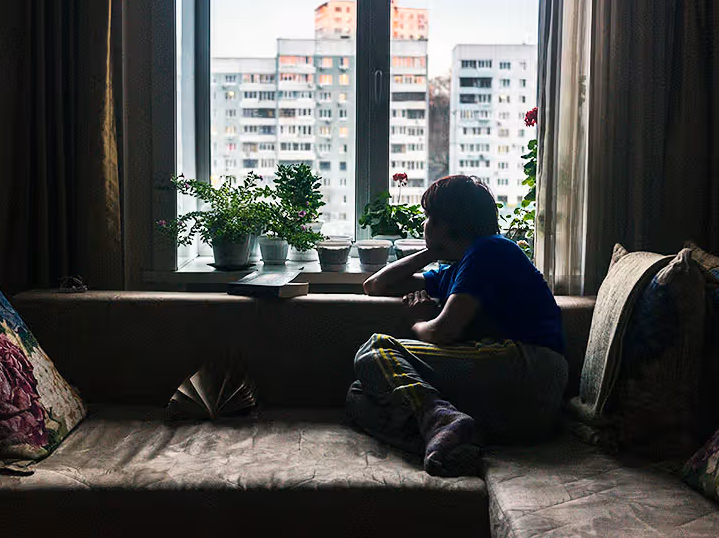
In fact, the opposite often happens.
You can spend hours interacting with people online and still feel like you didn’t really connect with anyone.
Because real connection requires:
- Presence
- Attention
- A bit of discomfort (actual conversation, not curated responses)
And those things are getting harder to access.
2. Our Days Lack Natural Structure
Not structure like schedules and calendars.
Structure like:
- Movement
- Sunlight
- Face-to-face interaction
- Breaks from stimulation
When those things disappear (especially during long winters or busy periods), everything starts to feel a bit disconnected. Your body, your mind, your energy—they all drift slightly out of alignment.
3. We’re Around People… But Not Really With Them
You can sit in a room with others and still feel alone.

Phones out. Conversations half happening. Everyone slightly distracted.
It’s not intentional. It’s just the default now.
And over time, those small, distracted interactions replace the deeper ones.
4. We’ve Replaced Experiences With Convenience
It’s easier to:
- Order in than go out
- Watch something than do something
- Scroll than talk
And there’s nothing wrong with convenience.
Until it becomes your only mode of living.
That’s when things start to feel repetitive, disconnected, and a bit empty.
Simple Ways to Feel More Connected
This is where most advice goes off the rails.

You don’t need:
- A full morning routine
- A digital detox retreat
- A complete lifestyle reset
You need a few small shifts that bring you back into real life, in small doses.
1. Do One Thing a Day Without Your Phone
Not forever. Not dramatically. Just one thing. A walk. A coffee. A quick errand. Leave your phone in your pocket—or better yet, at home.
At first, it’ll feel strange.
Then you’ll start noticing things again:
- Your surroundings
- People
- Your own thoughts
That’s where reconnection starts.
2. Replace One “Scroll” With a Real Interaction
Instead of:
- Scrolling Instagram
- Checking your phone again

Do something small but real:
- Text someone to meet up
- Call a friend
- Chat with someone in line
It doesn’t need to be deep. It just needs to be real.
3. Get Outside More Than You Think You Need To
This one sounds obvious, but it’s powerful.
Even 15–20 minutes outside:
- Resets your mood
- Improves focus
- Helps regulate your nervous system
And in Edmonton, this matters. After months of winter, people naturally feel more disconnected because they’ve been inside, isolated, and moving less.
You don’t need a hike. Just get outside consistently.
4. Lower the Noise (Not Eliminate It)
You don’t need to cut out:
- Social media
- TV
- Podcasts
Just create pockets of quiet.
Moments where:
- Nothing is playing
- Nothing is demanding your attention
That space gives your brain a chance to settle. And when your brain settles, you feel more like yourself again.
5. Put Yourself in Places Where Connection Happens Naturally
This is the big one.
Connection doesn’t usually come from:
- Scheduling it perfectly
- Forcing conversations
It comes from being in the right environments.
Places where:
- People are open
- There’s shared activity
- There’s no pressure
That could be:
- A casual community walk
- A fitness class
- A local event
- A coffee shop you go to regularly
You don’t need to talk to everyone. You just need to be around something real.
Why This Matters More Right Now
There’s been a quiet shift over the past few years.
People are:
- More connected digitally
- More informed
- More “busy”
But also:
- More isolated
- More distracted
- More disconnected
And that gap is starting to show.
That’s why you’re seeing a rise in:
- Offline events
- Community-based experiences
- Slower, more intentional living
People aren’t necessarily trying to do more. They’re trying to feel more.
FAQ: Why We Feel Disconnected
Why do I feel disconnected even when I’m busy?
Because busyness doesn’t equal connection. Without meaningful interaction or presence, activity can still feel empty.
Is feeling disconnected normal?
Yes. It’s increasingly common, especially with modern lifestyles that prioritize convenience and digital interaction.
What’s the fastest way to feel more connected?
Do something real: go outside, talk to someone, or step away from your phone for a bit.
Can social media cause disconnection?
It can contribute, especially when it replaces real-life interaction rather than complementing it.
Final Thought
You don’t need to fix everything. You don’t need a new version of your life.
You just need a few moments each day where things feel… real again.
A walk.
A conversation.
A break from the noise.
That’s where connection comes back. And once it starts, it builds faster than you think.