

There was a time when making friends happened naturally.
You met people at school, through sports teams, at work, or in your neighbourhood. Conversations happened without planning. Social gatherings felt organic. Community wasn’t something you searched for—it was simply woven into everyday life.
Fast forward to 2026 and things look very different.
Today, most of us carry around a device that allows us to communicate with almost anyone in the world instantly. We can join online communities, comment on someone’s latest vacation photos, share memes, react to stories, and maintain dozens of conversations simultaneously. Yet despite all this connectivity, loneliness remains one of the fastest-growing wellness challenges of our time.
It’s a strange contradiction. We have more ways to communicate than any generation before us, yet many people feel increasingly disconnected. That’s why one of the most important wellness conversations happening right now isn’t about nutrition, exercise, or productivity. It’s about friendship.
Real friendship.
The kind that happens face-to-face through shared experiences, meaningful conversations, and simply spending time together without a screen getting in the way.
As discussions around social wellness, community connection, and mental health continue to grow, experts are increasingly recognizing something that most of us already know deep down: human beings need other human beings. Not just digitally. Not just occasionally. We need genuine connection as a regular part of a healthy life.
The Growing Loneliness Epidemic
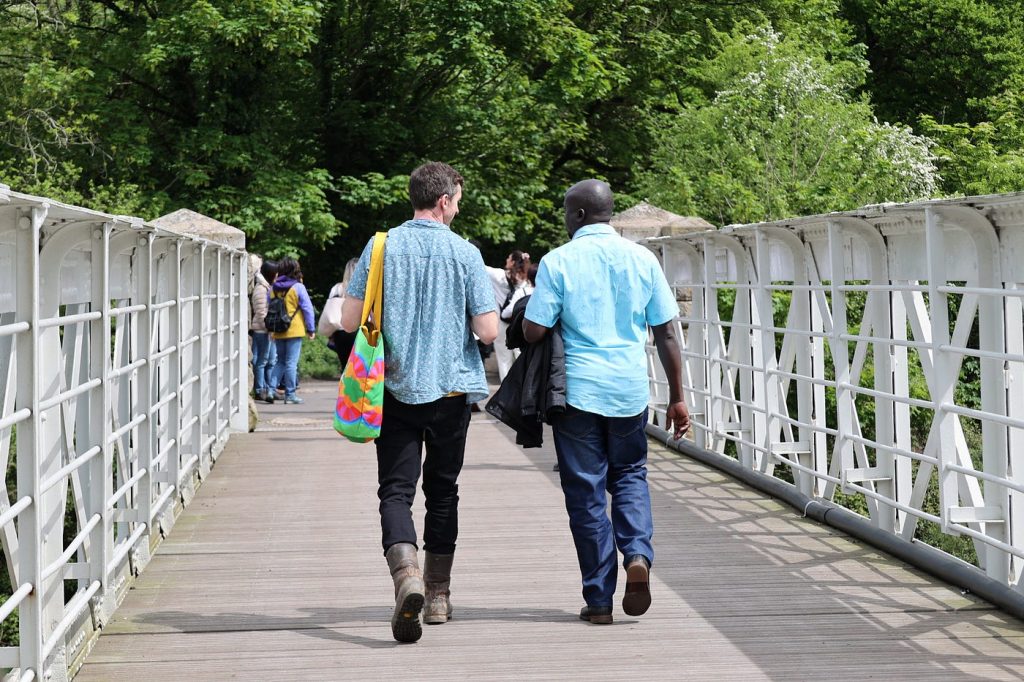
For years, loneliness was viewed as something deeply personal. It was rarely discussed openly and often carried a stigma. If someone felt isolated, it was seen as an individual problem rather than a broader social issue.
Today, that perspective is changing.
Researchers and health organizations increasingly view loneliness as a public health concern. Studies from around the world continue to show rising levels of social isolation among adults of all ages. While technology has made communication easier, it hasn’t necessarily made connection easier.
Part of the challenge is that modern life has fundamentally changed. Many people work remotely, move frequently for jobs, delay starting families, or spend large portions of their free time online. At the same time, many of the spaces where friendships once developed naturally have become less central to everyday life.
People are spending more time:
- Working from home
- Consuming content online
- Communicating through apps
- Shopping digitally
- Entertaining themselves through screens
None of these things are inherently bad. In fact, many are incredibly convenient. The problem is that convenience often comes at the expense of spontaneous human interaction.
As a result, many people find themselves surrounded by information about other people’s lives while feeling increasingly disconnected from meaningful relationships in their own.
Why Social Wellness Deserves More Attention
When most people think about wellness, they immediately think about exercise, nutrition, sleep, and stress management. Those pillars are undeniably important, but researchers are increasingly paying attention to another factor that influences health just as significantly: social wellness.
Social wellness refers to the quality of our relationships and our sense of belonging within a community. It’s the feeling that you matter to others, that you have people you can rely on, and that you’re connected to something larger than yourself.
Research continues to show that strong social connections are associated with a wide range of benefits, including:
- Lower stress levels
- Improved mental health
- Greater emotional resilience
- Increased life satisfaction
- Better long-term health outcomes
Some studies have even suggested that meaningful social relationships can influence overall health as much as many traditional wellness behaviours.
That’s a remarkable finding because it reframes friendship as something much more important than a pleasant addition to life. Friendship isn’t simply a social luxury. It’s a critical component of wellbeing.
Why Online Connection Isn’t Always Enough
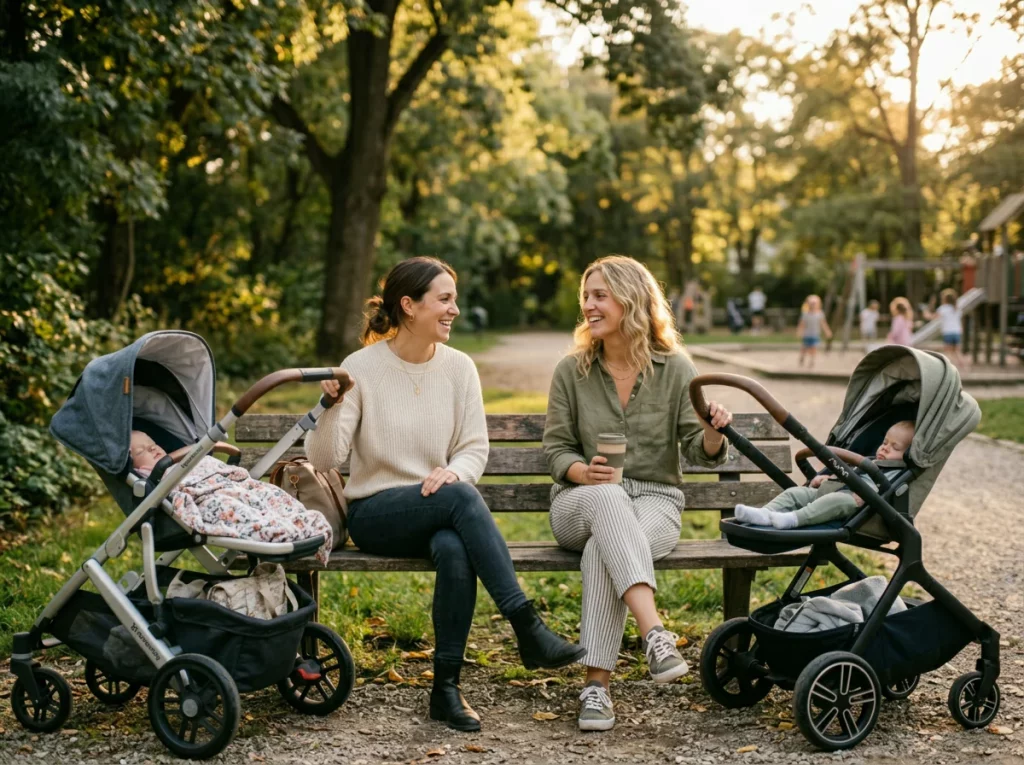
This isn’t an argument against technology.
Technology allows us to stay connected with friends and family across distances that would have been impossible just a generation ago. Many of us maintain valuable relationships because of text messages, video calls, and social media.
But digital communication has limits.
A text message isn’t the same as sharing a meal. A reaction emoji isn’t the same as making eye contact across a table. A social media comment isn’t the same as spending an afternoon exploring a new neighbourhood together.
Online interactions often provide communication. Real-life interactions provide connection.
That’s an important distinction.
Many people have experienced the feeling of spending hours online, interacting with dozens of people, only to finish the day feeling strangely lonely. The issue isn’t a lack of communication. It’s a lack of meaningful interaction.
Human beings are wired for face-to-face experiences. We connect through body language, tone of voice, shared environments, and experiences that simply can’t be replicated through a screen.
Shared Experiences Create Stronger Relationships
One of the reasons friendships formed through activities often feel particularly meaningful is because they’re built around shared experiences rather than simply shared opinions.
People bond by doing things together.
Walking through a neighbourhood. Trying a new restaurant. Taking a fitness class. Volunteering. Traveling. Exploring a farmers market. Attending a community event.
The experience itself becomes part of the friendship.
When you think about some of your strongest relationships, chances are many of your favourite memories involve moments you shared rather than things you purchased. Those experiences create stories, inside jokes, traditions, and connections that continue long after the activity itself is over.
As adults, however, creating those experiences often requires intention. Friendships rarely happen automatically anymore. Most of us have busy schedules, competing priorities, and routines that can easily become isolated if we’re not careful.
The good news is that even small shared experiences can make a significant difference.
The Power of Community Connection
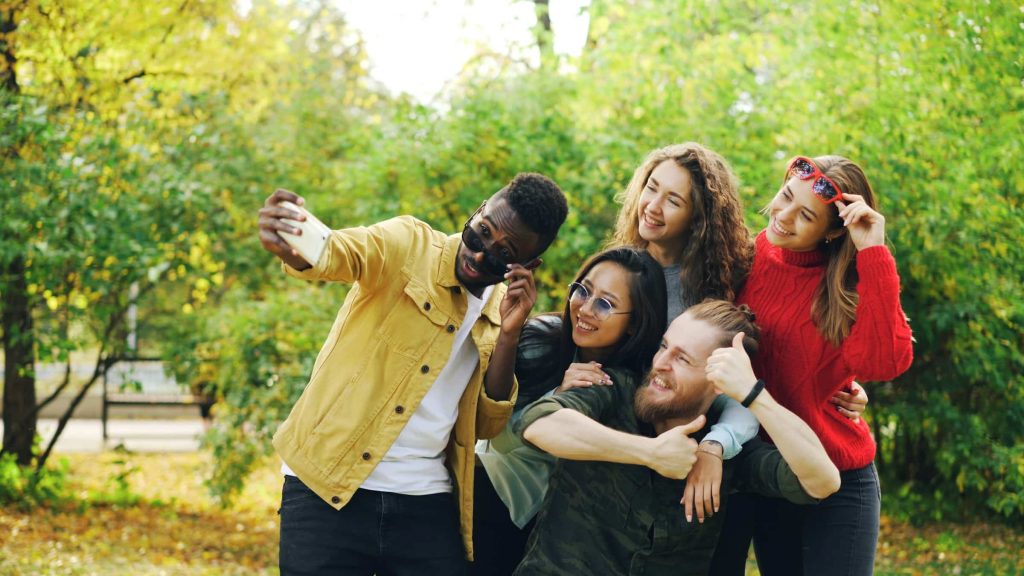
Beyond individual friendships, there is another important piece of the puzzle: community connection.
Humans thrive when they feel like they belong somewhere. Communities provide familiarity, support, shared values, and opportunities to contribute to something larger than ourselves.
This is one reason local events continue to resonate so strongly. People aren’t just looking for something to do. They’re looking for somewhere they feel welcome.
Whether it’s a community league event, a local market, a neighbourhood walk, or a gathering at a favourite café, these experiences help people feel connected to their city and the people who live in it.
Edmonton, in particular, offers incredible opportunities for community connection. From the river valley and local festivals to independent cafés and neighbourhood events, there are countless places where people can engage with their city in meaningful ways.
The challenge isn’t a lack of opportunities.
The challenge is making the choice to participate.
The Rise of Intentional Connection
One of the most interesting wellness trends emerging in 2026 is the growing desire for intentional connection.
People are becoming increasingly selective about how they spend their time. They’re looking for experiences that feel meaningful rather than simply entertaining. They’re seeking conversations instead of content and community instead of endless scrolling.
Many people are actively searching for:
- Smaller gatherings
- Shared experiences
- Community-focused events
- Outdoor activities
- Opportunities to meet people naturally
Instead of accumulating more followers, they’re focusing on building deeper relationships.
In many ways, this shift feels like a healthy correction to years of digital overload. People aren’t abandoning technology, but they are becoming more aware of its limitations. They’re recognizing that real connection requires more than simply being online together.
Why We Created the Offline Collective
This growing desire for connection is one of the reasons we launched the YEG Thrive Offline Collective.
The goal was never to create another online community or networking group. Instead, we wanted to create opportunities for people to connect in real life through simple, approachable experiences.
Whether it’s a neighbourhood walk, a Slow Sunday gathering, a community sweat, or a wellness-focused meetup, the focus is always the same: creating space for people to move, connect, and be present.
What we’ve discovered is that people are hungry for these experiences. They don’t necessarily want more content. They want more connection.
Sometimes friendship begins with a conversation. Other times it begins with a shared experience, a familiar face at an event, or simply seeing the same people week after week.
Connection doesn’t have to be complicated. Often it starts with showing up.
Final Thoughts
In a world filled with notifications, algorithms, and constant digital stimulation, real-life friendships have become one of the most valuable forms of wellness available.
They provide support during difficult times, celebrate our successes, challenge us to grow, and remind us that we’re not navigating life alone. They improve our mental health, strengthen our resilience, and contribute to a sense of belonging that many people are craving right now.
If there is one wellness trend worth embracing in 2026, it may be this: making more time for people.
Text the friend you’ve been meaning to see. Join the walk. Grab the coffee. Attend the event. Start the conversation.
Because your wellbeing isn’t shaped solely by how you move, eat, or sleep.
It’s also shaped by who you share your life with.