
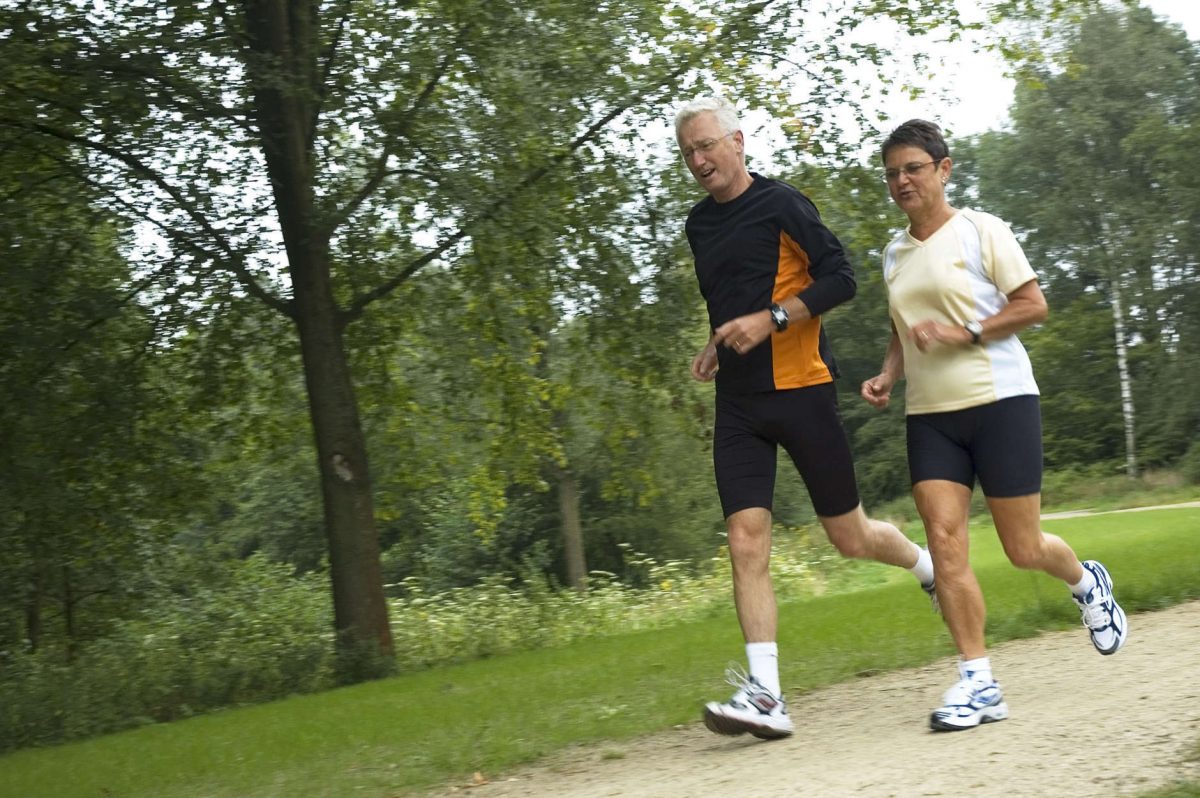

Summer is usually the season when being active feels easiest. Edmonton’s trails are busy, parks fill with runners and cyclists, and the long evenings make it possible to squeeze in a walk long after dinner. Then a heat wave arrives, the air feels heavy before breakfast, and even tying your shoes starts to feel like an athletic achievement.
Knowing how to stay active in hot weather can be challenging during summer heat waves. While high temperatures may make outdoor workouts uncomfortable—or even unsafe—you don’t have to abandon your fitness routine. With a few adjustments, you can continue moving while protecting your health.
Hot weather does not mean you have to abandon movement completely. It does, however, mean adjusting your expectations.
Exercising in extreme heat places additional strain on the body because it must manage the heat generated by physical activity while also responding to high outdoor temperatures. Humidity can make this more difficult because sweat does not evaporate as effectively, reducing one of the body’s primary cooling mechanisms. Health Canada recommends reducing strenuous activity during extreme heat, moving exercise to cooler parts of the day or choosing an air-conditioned environment instead.
The goal is not to prove that you can power through uncomfortable conditions. The goal is to remain active without turning an ordinary workout into a preventable health risk.
Here are practical ways to stay moving when it is simply too hot to exercise outside.
First, Accept That Your Usual Workout May Need to Change
Fitness routines often become closely tied to identity. Runners want to run. Cyclists want to ride. People who enjoy outdoor boot camps may feel disappointed when the weather forces them inside.
That frustration is understandable, but adjusting a workout is not the same as skipping it.
Hot weather affects heart rate, hydration and perceived effort. A pace that normally feels comfortable may suddenly feel much harder. Health Canada specifically advises people not to expect their usual performance during periods of extreme heat and to give the body time to recover.
Instead of trying to replicate your normal workout exactly, focus on maintaining the habit of movement. A shorter indoor strength session, a swim or a brisk walk through an air-conditioned building can still support your health and keep your routine intact.
Think of extreme heat as a temporary training modification, not a test of character. The sun is not awarding medals for stubbornness.
Move Your Workout Indoors
The most obvious solution is also one of the safest: move your workout into a cooler environment.
You do not need a fully equipped home gym. A small amount of floor space is enough for a surprisingly effective workout using body weight, resistance bands or a pair of dumbbells.
A simple indoor circuit might include:
- Squats or sit-to-stands
- Wall or floor push-ups
- Reverse lunges
- Glute bridges
- Resistance-band rows
- Planks or dead bugs
- Marching in place
Complete each movement for 30 to 45 seconds, rest briefly and repeat the circuit two or three times. In less than half an hour, you can train several major muscle groups and raise your heart rate without stepping into the heat.
Online yoga, Pilates, mobility and low-impact cardio classes are also useful during hot weather. Choose a workout that suits the temperature inside your home; a fast-paced interval session in a warm, poorly ventilated room can still lead to overheating.
If your home remains uncomfortably hot, consider a recreation centre, gym, community facility or other air-conditioned location. Health Canada notes that heat exposure can become dangerous indoors as well as outdoors, so changing locations may be the safer choice when your living space cannot cool adequately.
Take Your Walk Somewhere Unexpected
Walking does not have to happen on a trail or sidewalk.
When outdoor temperatures become uncomfortable, shopping centres, recreation facilities and large indoor public spaces can provide a climate-controlled place to walk. You may not get the scenery of the river valley, but you will still accumulate movement without dealing with direct sun or oppressive heat.
An indoor walking session can be as structured as you want. Walk briskly for 20 or 30 minutes, climb a few flights of stairs if appropriate, or alternate several minutes of faster walking with an easier pace.
The World Health Organization recognizes walking as a valid and accessible form of physical activity, alongside cycling, sport, recreation and active daily tasks.
You can also divide movement into smaller sessions. Three ten-minute walks throughout the day can feel far more manageable than one long workout, especially when energy is already lower because of the heat.
Try Swimming or Water-Based Exercise
When temperatures rise, water becomes one of the most appealing places to exercise.
Swimming provides cardiovascular activity while working muscles throughout the body. Water walking, aqua-fitness classes and gentle pool exercises can be excellent options for people who prefer lower-impact movement or are managing joint discomfort.
Even recreational swimming counts. You do not need to complete perfectly timed laps or wear goggles that make you look prepared for the Olympics.
Health Canada specifically lists swimming in cool water as an alternative when outdoor temperatures make regular activity unsafe or uncomfortable.
Remember that outdoor pools and lakes still involve sun exposure, so sunscreen, shade and hydration remain important. Water can make you feel cooler than you actually are, which may disguise how much heat and sun your body is experiencing.
Use Hot Days to Focus on Strength and Mobility
Many people automatically associate fitness with cardio, but hot weather can be a useful opportunity to emphasize strength, balance and mobility.
Strength training helps maintain muscle and supports everyday function, while mobility work can improve how comfortably you move through daily activities. Canada’s movement guidelines recommend regular moderate-to-vigorous activity as well as muscle-strengthening work involving major muscle groups at least twice per week.
A slower indoor strength workout may feel more manageable than a high-energy cardio session. Focus on controlled movements and allow longer rest periods if the room is warm.
Mobility work can include:
- Hip and ankle mobility exercises
- Gentle spinal rotations
- Shoulder circles and wall slides
- Calf and hamstring stretches
- Yoga or Pilates
- Balance exercises
These sessions may not produce the dramatic sweat people often associate with exercise, but they can support recovery, posture, joint function and long-term movement quality.
Exercise Earlier—but Check the Conditions First
Moving your workout to the early morning can help you avoid the most intense heat of the day. Late evening may also be cooler, although buildings, pavement and other surfaces can continue radiating stored heat after sunset.
Do not rely only on the clock. Check the temperature, humidity, air-quality conditions and heat warnings before heading outside.
Environment and Climate Change Canada advises modifying or limiting outdoor exercise when Humidex readings rise above 30, depending on age, health, clothing and other conditions. When the Humidex exceeds 40, unnecessary physical activity should be reduced.
If you choose to exercise outside, reduce the intensity and duration. Select a shaded route, stay close to home and bring water. A gentle walk may be appropriate when a hard run is not.
There is no fitness prize for completing the exact workout written in your calendar when the weather has clearly changed the situation.
Hydrate Before You Feel Thirsty
Hydration becomes especially important during hot-weather activity because the body loses fluid through sweat. Dehydration can reduce performance and increase the strain associated with exercise in the heat.
Health Canada recommends drinking water before, during and after physical activity and not waiting until you feel thirsty.
For most short, moderate indoor workouts, water is usually the practical choice. Longer or particularly sweaty sessions may require more attention to fluid and electrolyte replacement, especially for people with specific medical conditions or those taking medications that affect hydration.
Avoid using hydration as permission to ignore the heat. Drinking water helps, but it does not make extreme conditions harmless.
Wear Less—Within Reason
Clothing affects how effectively the body can release heat.
For outdoor activity, Health Canada recommends loose-fitting, light-coloured clothing made from breathable fabric.
Lightweight technical fabrics can help move moisture away from the skin, while a hat and sunscreen can reduce direct sun exposure. Dark, heavy clothing and unnecessary layers trap more heat.
The same principle applies indoors. Choose clothing that allows you to move comfortably and cool down efficiently.
This does not mean your workout wardrobe needs to become an elaborate performance-fabric fashion show. Comfort, breathability and practicality matter more than coordinating the socks.
Make Everyday Movement Count
On very hot days, a formal workout may not be the best goal. Instead, focus on reducing prolonged sitting and accumulating movement in smaller ways.
Household tasks, walking during phone calls, taking the stairs, gardening during cooler periods and completing short movement breaks all contribute to an active day. The WHO includes household work and other physically active daily tasks within the broader definition of physical activity.
Try setting a reminder to move for five minutes every hour. Complete a few squats, walk around your home, stretch your hips and shoulders or climb the stairs.
These small bursts may not feel like a conventional workout, but they help preserve the rhythm of regular movement when conditions are less than ideal.
Know the Signs That Mean You Should Stop
Heat illness can develop quickly, and continuing to exercise through warning signs can be dangerous.
Stop your workout and move to a cool place if you begin feeling faint, weak, dizzy, unusually nauseated or unwell. The CDC advises stopping activity immediately if you feel faint or weak during exercise in hot weather.
Other concerning symptoms can include:
- Headache
- Muscle cramps
- Excessive fatigue
- Confusion
- Loss of coordination
- Vomiting
- Skin that feels extremely hot
- Altered consciousness
Confusion or loss of consciousness can be signs of a medical emergency. Canadian guidance advises calling for immediate medical help and beginning cooling measures when someone exercising in the heat shows altered consciousness.
People who are older, pregnant, living with chronic illness or taking certain medications may be more vulnerable to extreme heat and should speak with a healthcare professional about appropriate precautions.
Consistency Does Not Require Perfection
Public-health guidelines encourage adults to accumulate regular physical activity throughout the week, but those targets do not need to be completed in one particular setting or through one favourite exercise. The WHO recommends at least 150 minutes of moderate-intensity activity per week for adults, along with muscle-strengthening activity on at least two days.
That movement can come from indoor walking, swimming, strength training, yoga, household activity or shorter exercise sessions spread throughout the day.
Missing one run during a heat warning will not undo your fitness. Forcing that run when conditions are unsafe could create a much bigger setback.
The most sustainable routines are flexible enough to respond to weather, energy levels and changing circumstances.
Let the Weather Change the Workout, Not End It
Hot summer weather can disrupt your preferred routine, but it does not have to bring all movement to a halt.
Move indoors. Walk through a cool public space. Swim. Lift weights. Work on mobility. Exercise earlier, shorten the session or break it into smaller pieces.
Most importantly, listen to your body and accept that doing less intensely may be the healthiest decision.
Staying active is not about completing the hardest possible workout under every condition. It is about finding a form of movement that supports your well-being today—and allows you to return safely tomorrow.
Editorial Note: This article provides general wellness information and is not a substitute for personalized medical advice. People with health conditions, heat sensitivity or medication-related risks should consult a qualified healthcare professional.