
Let’s get something out of the way.
For a long time, non-alcoholic wine wasn’t particularly good.
If you loved wine for its aromas, texture, acidity and ability to transform alongside food, many early alcohol-free alternatives felt like disappointing grape juice wearing a wine label. Reds could taste thin and strangely sweet. Whites sometimes lacked freshness and complexity. And sparkling versions often relied heavily on sugar to compensate for everything that disappeared when the alcohol was removed.
Wine drinkers noticed.
But something interesting is happening in the wine world. Non-alcoholic wine is getting considerably better, and some respected winemakers are investing serious money and attention into figuring out how to make it taste more like the real thing.
The category has also become difficult to ignore. Restaurants are expanding their alcohol-free lists, wine shops are dedicating more shelf space to them, and people who still enjoy traditional wine are increasingly looking for something convincing on evenings when they simply don’t want alcohol.
So, have we finally reached the point where non-alcoholic wine actually tastes like wine?
The answer is increasingly: sometimes.
And that’s a much bigger compliment than it would have been a few years ago.
The Problem With Taking Alcohol Out of Wine
To understand why making good non-alcoholic wine is so difficult, you first have to understand something important about alcohol.
It isn’t just the part of wine that makes you tipsy.
Alcohol contributes significantly to the sensory experience of wine. It adds body and texture, helps carry aromas and affects how sweetness, acidity and tannin feel in your mouth.
Take it away and the entire wine can become unbalanced.
Imagine making a great pasta sauce and then removing one of its major ingredients after everything has been cooked together. You can’t necessarily expect what’s left behind to taste exactly the same.
That’s essentially the challenge facing producers of dealcoholized wine.
Traditional wine might contain somewhere around 11% to 15% alcohol by volume. Removing almost all of that without stripping away aroma, flavour and texture is remarkably difficult.
Earlier technologies weren’t particularly gentle, which helps explain why some older alcohol-free wines tasted flat or cooked.
Modern techniques are getting much better.
Most Non-Alcoholic Wine Starts as Actual Wine
Here’s something many people don’t realize.
A lot of non-alcoholic wine begins life exactly like traditional wine.
Grapes are harvested, crushed and fermented. Yeast converts grape sugar into alcohol, and the producer creates an actual wine.
Then comes the complicated part.
The alcohol has to come back out.
Several technologies can accomplish this, but two of the most important are vacuum distillation and reverse osmosis.
Vacuum distillation removes alcohol under reduced pressure, allowing ethanol to evaporate at a much lower temperature than it normally would. That matters because excessive heat can damage the delicate aromatic compounds that make wine interesting.
Reverse osmosis takes a different approach, using specialized membranes to separate components of the wine before removing alcohol and reconstructing the remaining liquid.
Another technology sometimes used in the industry is the spinning cone column, which separates volatile aroma compounds and alcohol under vacuum before allowing desirable aromas to be reincorporated.
None of these processes is perfect.
But they’re considerably more sophisticated than simply boiling the alcohol out of your favourite Chardonnay and hoping for the best.
Why Non-Alcoholic Wine Still Doesn’t Taste Exactly the Same
Even the best technology runs into one unavoidable problem.
Alcohol matters.
Remove it and something changes.
One of the most noticeable differences is mouthfeel. Alcohol contributes weight and viscosity, which is why a 14.5% Cabernet Sauvignon can feel rich and substantial on your palate.
Take the alcohol away and that wine may suddenly feel thin.
Producers compensate in different ways. Some retain a little residual sugar. Others use grape must, tannins or other permitted ingredients to rebuild texture and balance.
That can work remarkably well, but it also explains one of the most common complaints about non-alcoholic wine: sweetness.
When producers use too much sugar to replace the body lost through dealcoholization, the result can stop tasting like wine and start tasting like grape juice.
The best producers are becoming much better at balancing that equation.
Some Styles Work Better Than Others
If you’re dipping your toes into non-alcoholic wine, don’t begin by searching for a perfect alcohol-free replacement for your favourite 15% Barossa Shiraz.
You’re setting everyone up for disappointment.
Certain wine styles naturally make the transition more successfully.
Sparkling Wine
This might be the strongest category.
Bubbles add texture and energy, helping compensate for some of the mouthfeel lost when alcohol is removed. High acidity also keeps the wine refreshing.
A good non-alcoholic sparkling wine served properly chilled can be surprisingly convincing, particularly when enjoyed with food or as an aperitif.
Riesling and Aromatic Whites
Riesling is another strong candidate because it naturally combines high acidity with intense aromatics.
Varieties such as Sauvignon Blanc and other aromatic whites can work for similar reasons. Their personality isn’t entirely dependent on alcohol or heavy oak.
Rosé
Light, fresh rosé translates reasonably well because we’re already expecting bright fruit, crisp acidity and relatively little tannin.
Serve it cold on a patio and the difference between traditional and alcohol-free wine becomes less distracting.
Red Wine
This remains the final boss.
Red wine relies much more heavily on the interaction between alcohol, tannin, fruit and texture. Remove one major structural component and the balance becomes harder to maintain.
Lighter reds generally have an easier time than big Cabernet Sauvignon, Syrah or Malbec.
That doesn’t mean good non-alcoholic red wine doesn’t exist.
It means this is still the category where you’ll probably notice the difference most.
Better Grapes Make Better Non-Alcoholic Wine
Technology can only do so much.
One of the most important changes happening in the category is that serious wine producers are treating non-alcoholic wine as wine rather than as a beverage-development exercise.
That means thinking about grape quality, acidity, harvest timing and the base wine before alcohol removal ever begins.
This sounds obvious, but it matters enormously.
You can’t make great non-alcoholic wine from mediocre wine simply by purchasing an expensive dealcoholization machine.
The starting material still matters.
German producer Leitz, for example, has become particularly well known for its Eins-Zwei-Zero range. Producer Johannes Leitz makes traditional wine in Germany’s Rheingau region as well as dealcoholized versions, including Riesling.
That’s encouraging because the future of the category probably isn’t beverage companies trying to imitate wine.
It’s winemakers making wine differently.
Why People Who Drink Alcohol Are Buying It Too
One of the most interesting things about the non-alcoholic wine boom is that it isn’t being driven exclusively by people who never drink.
A growing group of consumers simply want to drink less.
They might have wine with dinner Friday night but choose something alcohol-free Tuesday.
They may want a second glass without the alcohol.
They might be driving.
Training for an event.
Trying to sleep better.
Or perhaps they just don’t feel like drinking that evening.
That middle ground is important.
For years, drinking choices were presented as strangely binary. You drank alcohol or you didn’t.
Now people are becoming much more comfortable moving between the two.
You can love Barolo and still drink a non-alcoholic sparkling wine on Wednesday.
The Wine Police aren’t coming.
Alcohol-Free Doesn’t Necessarily Mean Zero Alcohol
There’s also an important Canadian labelling distinction worth knowing.
Here, dealcoholized wine can be used to describe wine whose alcohol level has been reduced below 1.1% ABV. Under federal labelling guidance, the terms non-alcoholic or alcohol-free are reserved for products reduced below 0.05% ABV.
That means anyone who needs to avoid alcohol completely—for medical, religious, pregnancy or other reasons—should read the bottle carefully rather than assuming every product marketed within the broader non-alcoholic category contains absolutely zero alcohol.
It’s a small distinction, but an important one.
Does Non-Alcoholic Wine Have Fewer Calories?
Usually, yes—but check the label.
Alcohol contains about seven calories per gram, so removing most of it can significantly reduce a wine’s overall calorie content.
However, some producers compensate for lost texture with additional sugar or grape concentrate. That means the nutritional difference between products can be substantial.
If reducing calories or sugar is part of the reason you’re choosing non-alcoholic wine, look beyond the front label and check the nutrition information.
“Alcohol-free” doesn’t automatically translate to “sugar-free.”
Don’t Judge It Like a $75 Bottle of Burgundy
Perhaps the biggest barrier to enjoying non-alcoholic wine is our expectations.
If you pour a glass and immediately ask whether it tastes identical to a complex traditional wine, you’re probably going to find differences.
That’s because it is different.
A better question might be whether it’s enjoyable.
Does it have good acidity?
Does it smell interesting?
Is there enough texture?
Does it work with food?
Would you happily pour another glass?
Those are perfectly legitimate ways to evaluate wine.
The best non-alcoholic examples aren’t necessarily fooling experienced tasters into believing they’re drinking traditional wine. Instead, they’re becoming good enough that the absence of alcohol no longer feels like the entire point of the beverage.
That’s progress.
How to Find a Good Bottle
Unfortunately, quality still varies wildly.
The category is improving quickly, but there are plenty of bottles that will remind you why non-alcoholic wine developed a questionable reputation in the first place.
If you’re experimenting, start strategically.
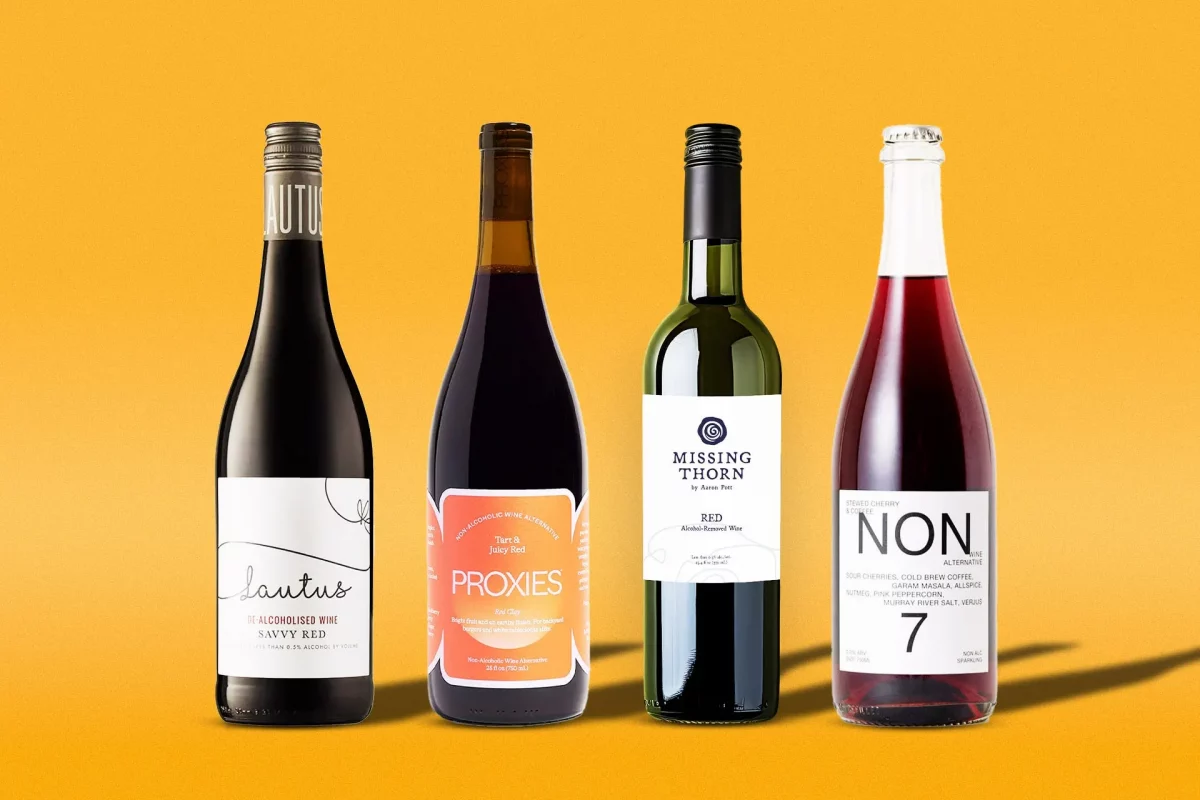
Look for established wineries rather than products designed primarily as lifestyle brands. Try sparkling wines and aromatic whites first. Check the sugar level when possible, particularly if you prefer dry wine.
Most importantly, ask someone at a good independent wine shop.
Tell them what you normally drink and that you’re looking for a genuinely wine-like non-alcoholic option.
You may still encounter a dud.
Consider it part of the research.
Wine drinkers have certainly suffered through enough disappointing alcoholic bottles over the years too.
So, Can Non-Alcoholic Wine Finally Taste Like Real Wine?
Sometimes, yes.
But perhaps we’re asking the wrong question.
Non-alcoholic wine doesn’t necessarily need to perfectly replicate traditional wine to earn a place at the table. It needs to offer enough aroma, acidity, texture and complexity to provide a satisfying wine experience.
And increasingly, the best examples are doing exactly that.
The technology is improving. Better winemakers are entering the category. Producers are paying more attention to the quality of the base wine, preserving aromas during dealcoholization and rebuilding texture without simply dumping sugar into the bottle.
There is still plenty of room for improvement—particularly with red wine—but the gap is narrowing.
For wine lovers, that’s good news.
It means choosing not to drink alcohol on a particular night no longer has to mean sparkling water while everyone else gets the interesting glassware.
You can still open a bottle.
Pour it into a proper wine glass.
Pair it with dinner.
Talk about whether you like it.
And perhaps that’s when we’ll know non-alcoholic wine has truly arrived.
When we finally stop talking about what it doesn’t contain and start talking about whether it’s actually good.