
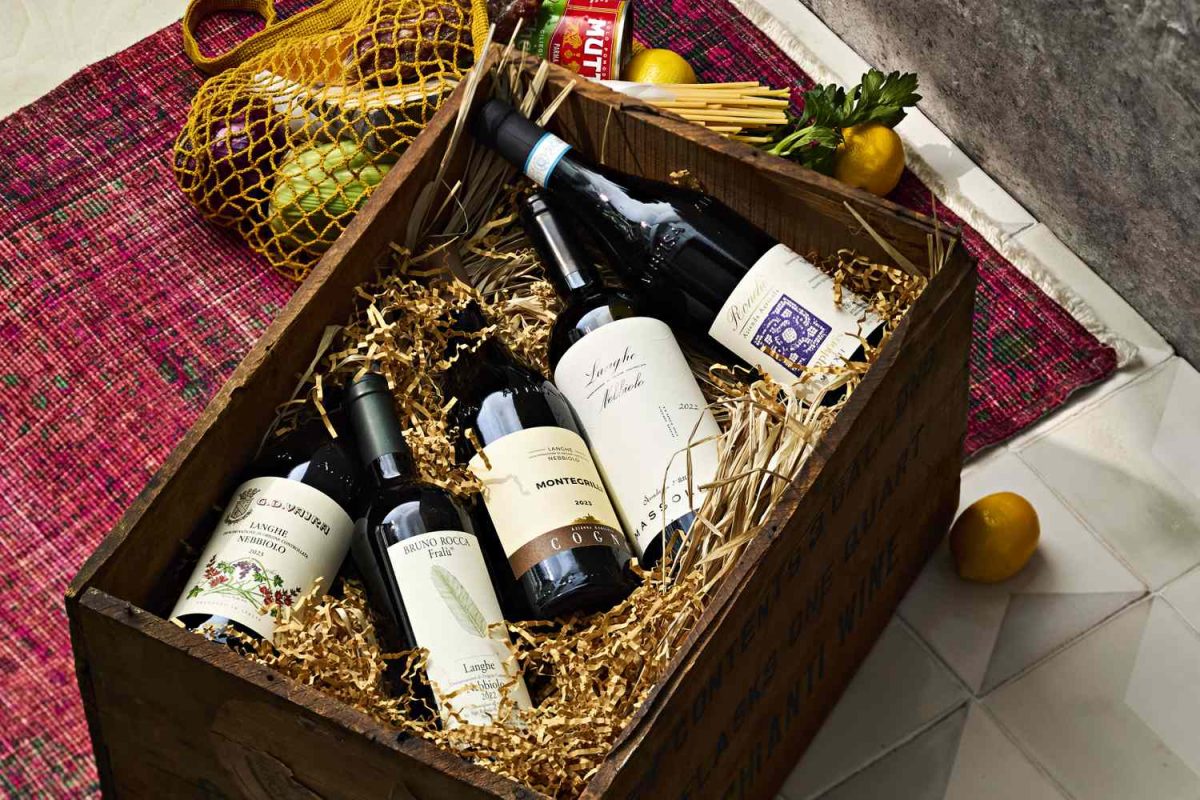

Good wine education should make choosing a bottle easier, not more intimidating. Langhe Nebbiolo vs. Barolo is about finding pleasure in the differences between places, grapes and styles, and discovering how wine can complement food and conversation. A little background helps, but there is no requirement to speak fluent sommelier before inviting friends over.
Nebbiolo is the common thread
Piedmont’s Nebbiolo grape is famous for an almost paradoxical profile: relatively pale colour paired with significant acidity and tannin. A young wine may suggest roses, red cherries, raspberries and herbs, while mature examples can develop complex earthy, savoury notes. Barolo and Langhe Nebbiolo can share these broad features, but they should not be treated as identical wines in different packaging. Appellation rules, vineyard sites, growing seasons and winemaking ambitions create important differences.
Barolo has specific requirements
Barolo DOCG comes from a defined production area with rules governing its grape, production and ageing. It is made from Nebbiolo and must undergo substantial maturation before release. The appellation’s reputation and historical importance influence demand and price, as do vineyard location and producer reputation. Some bottles are approachable earlier than others, but many structured examples reward cellaring. The title on the label is useful, yet still leaves the buyer with questions about style and vintage.
Langhe Nebbiolo offers flexibility
Langhe Nebbiolo DOC comes from a broader appellation framework. Depending on the producer, fruit may come from younger vines or sites outside the Barolo designation, or reflect decisions aimed at a more immediate drinking style. Some producers craft extremely serious Langhe wines, so do not assume every bottle is simple or inexpensive. The attraction is the possibility of enjoying Nebbiolo’s perfume and structure without always paying for the most prestigious designation.
What changes in the glass?
Many Langhe Nebbiolo wines put youthful red fruit and floral character front and centre, sometimes with tannins that feel easier to approach. Barolo may show greater concentration, complexity and length, particularly after suitable ageing. These are tendencies, not laws. A cooler vintage, traditional extraction or ambitious Langhe bottling can confound expectations. Side-by-side tasting is more revealing than memorizing a fixed hierarchy. Pay attention to acidity, tannin texture, aromatic detail and how long the flavours persist.
Food makes Nebbiolo more approachable
Nebbiolo’s tannins and acidity make food pairing particularly interesting. Try mushroom risotto, braised beef, roasted root vegetables, hard cheeses or dishes with savoury depth. A meal can moderate the perception of tannin and bring out different flavours. Serve the wine a little cooler than a warm Canadian living room, and let a youthful structured bottle breathe if it seems tight. If you prefer softer reds, discuss that preference with a merchant before buying solely on reputation.
The value question
Barolo can be a worthwhile splurge for a particular occasion, while Langhe Nebbiolo can make an ordinary dinner memorable. Neither wins automatically. Choose based on when you intend to drink the wine, what you plan to eat and how much tannin you enjoy. Look at producers and vintages, not only appellation. It is a remarkably liberating way to shop: once the goal becomes choosing the right wine for your evening, there is no need to impress the label police.
A simple way to taste more confidently
Pour a modest sample into a clean glass and notice its colour, aroma, acidity, sweetness, body and finish. Do not worry about identifying an impressive list of fruits or flowers. A description such as fresh, bright, creamy, drying or savoury is often more useful than an elaborate tasting note. Taste a small bite of food, return to the wine and see what changes. This is where pairing starts to make sense. Different people will notice different things, and that is part of the enjoyment rather than a problem to correct.
Buying wine without the snobbery
Before visiting a wine shop, decide on your budget, the occasion and the style you usually enjoy. Tell the staff whether you prefer refreshing acidity, soft tannin, richer texture or a touch of sweetness. Ask for two possibilities and what distinguishes the producers, not simply which bottle has the best label. Stock, vintages and pricing can vary across Edmonton retailers, so specific recommendations should always be checked locally. A less famous appellation can deliver tremendous enjoyment, but no region or price point guarantees a perfect match for every palate.
Hospitality always comes first
Wine should support a meal and the people sharing it, not become the centre of attention unless guests specifically want a tasting. Put water on the table, offer satisfying food and make alcohol-free drinks as appealing as alcoholic ones. A guest should never need to explain why they are not drinking. The health risks of alcohol are real, so avoid describing consumption as a wellness practice. The most successful wine education encourages informed choices, sensible serving and curiosity without pressure.
Reading a label without guessing
A bottle label can reveal origin, producer, vintage and sometimes grape varieties or sweetness indications. It usually does not tell you everything about texture, flavour or how the wine was made. Appellation rules are helpful background, but individual producers can express the same region differently. If you are unsure, a retailer can explain the difference between two bottles in ordinary language. Ask about acidity, tannin, oak, sweetness and food pairing. These details lead to a better purchase than a gold medal sticker or a vague promise that a wine is smooth.
Putting the advice in perspective
For this particular topic, consider the difference between a one-time experiment and a long-term habit. Barolo can be a worthwhile splurge for a particular occasion, while Langhe Nebbiolo can make an ordinary dinner memorable. Return to the question after several weeks and ask whether your experience supports the advice. Keep the parts that serve you and change the parts that do not. Nobody benefits from turning a helpful suggestion into an inflexible rule.
Frequently asked questions
What is the best way to begin with Langhe Nebbiolo vs Barolo? Start with one manageable choice and a reliable source of information. Match your plan to the situation rather than copying an idealized version from social media. What if my first attempt does not work? Adjust the timing, approach or expectations and try again. How do I know if something is right for me? Consider your goals, comfort, cost and whether the experience adds value rather than unnecessary pressure.
The YEG Thrive takeaway
The point is not to get every tasting note or pairing exactly right. It is to understand enough to select a bottle you enjoy, share it thoughtfully and stay curious. If a guest prefers water, tea or a non-alcoholic option, that is just as welcome. Good wine without the snobbery begins and ends with hospitality.