
Good wine education should make choosing a bottle easier, not more intimidating. The Holiday Wine Guide is about finding pleasure in the differences between places, grapes and styles, and discovering how wine can complement food and conversation. A little background helps, but there is no requirement to speak fluent sommelier before inviting friends over.
The best bottle depends on the gathering
Holiday tables often feature several dishes, different tastes and at least one person who would rather drink something else entirely. That makes a single perfect wine an unlikely solution. Instead, choose a small range of versatile styles and prioritize hospitality over prestige. Think about whether the evening centres on appetizers, roast poultry, rich beef dishes or a relaxed potluck. When the menu is varied, freshness and moderate weight are often more flexible than enormous oak or tannin.
Begin with sparkling wine
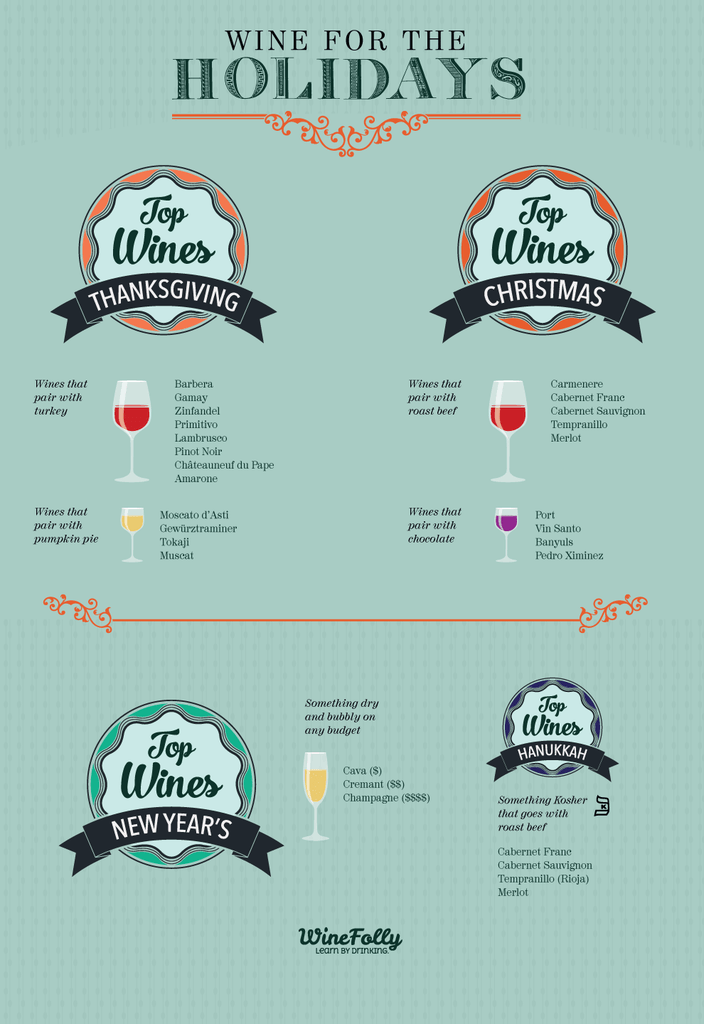
Crémant, Champagne or another well-made dry traditional-method sparkling wine can suit salty snacks, fried appetizers and the celebratory arrival of guests. The bubbles and acidity refresh the palate, while the category offers a wide range of styles and prices. Serve it cool, using a wine glass that allows aromas to develop. Make an attractive non-alcoholic sparkling choice available too. Nobody should have to explain why they are raising a different glass for the toast.
White wine beyond the obvious
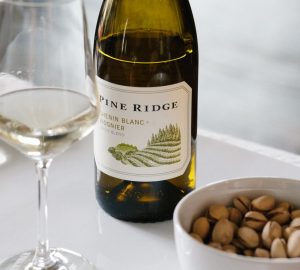
A lively Chenin Blanc can pair with roast chicken, creamy vegetable dishes and seasonal sides. Chardonnay may work beautifully with richer poultry or creamy sauces, depending on oak and acidity. For a lighter seafood course, choose a fresh white that will not overpower delicate flavours. The preparation method matters as much as the main ingredient. A turkey breast with lemon is a different pairing challenge from the same turkey covered in a rich mushroom sauce.
Choose reds with flexibility
Pinot Noir and Gamay are often friendly choices for mixed holiday menus because their acidity and relatively moderate tannin can work with many dishes. Nebbiolo or Cabernet Sauvignon may suit braised beef and stronger flavours but can dominate lighter food. Do not serve red wine at the temperature of an overheated living room. A modest chill may improve freshness, particularly in lighter styles. Taste the wine before deciding whether it needs air.
Gift etiquette without the awkwardness
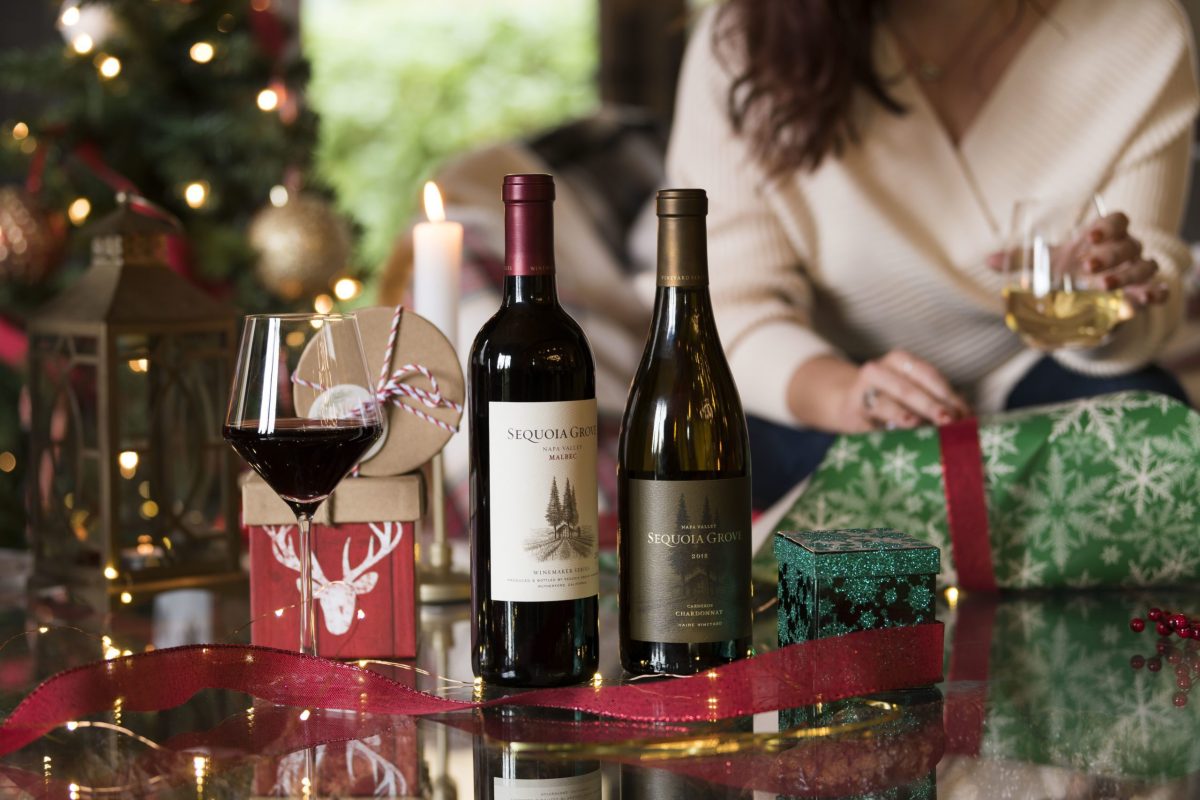
A bottle brought by a guest should not automatically be opened that evening. The host may already have planned pairings, or the gift may be intended for a later occasion. If you are buying for someone, consider their preferences and budget rather than relying on an impressive-looking label. Wine-related books, artisan foods and thoughtful alcohol-free gifts can be equally welcome. The best present communicates attention, not how much you spent.
How much should a host buy?
A 750 mL bottle provides about five 150 mL pours, but pours vary and not everyone drinks. Estimate based on the gathering’s duration and guests’ preferences, and provide abundant food and water. There is no obligation to finish every bottle. Keep unopened bottles for future occasions instead of encouraging extra consumption. A successful dinner party ends with people feeling cared for and getting home safely, not with evidence that the host bought exactly the right quantity of alcohol.
A simple way to taste more confidently
Pour a modest sample into a clean glass and notice its colour, aroma, acidity, sweetness, body and finish. Do not worry about identifying an impressive list of fruits or flowers. A description such as fresh, bright, creamy, drying or savoury is often more useful than an elaborate tasting note. Taste a small bite of food, return to the wine and see what changes. This is where pairing starts to make sense. Different people will notice different things, and that is part of the enjoyment rather than a problem to correct.
Buying wine without the snobbery
Before visiting a wine shop, decide on your budget, the occasion and the style you usually enjoy. Tell the staff whether you prefer refreshing acidity, soft tannin, richer texture or a touch of sweetness. Ask for two possibilities and what distinguishes the producers, not simply which bottle has the best label. Stock, vintages and pricing can vary across Edmonton retailers, so specific recommendations should always be checked locally. A less famous appellation can deliver tremendous enjoyment, but no region or price point guarantees a perfect match for every palate.
Hospitality always comes first
Wine should support a meal and the people sharing it, not become the centre of attention unless guests specifically want a tasting. Put water on the table, offer satisfying food and make alcohol-free drinks as appealing as alcoholic ones. A guest should never need to explain why they are not drinking. The health risks of alcohol are real, so avoid describing consumption as a wellness practice. The most successful wine education encourages informed choices, sensible serving and curiosity without pressure.
Reading a label without guessing
A bottle label can reveal origin, producer, vintage and sometimes grape varieties or sweetness indications. It usually does not tell you everything about texture, flavour or how the wine was made. Appellation rules are helpful background, but individual producers can express the same region differently. If you are unsure, a retailer can explain the difference between two bottles in ordinary language. Ask about acidity, tannin, oak, sweetness and food pairing. These details lead to a better purchase than a gold medal sticker or a vague promise that a wine is smooth.
Putting the advice in perspective
For this particular topic, consider the difference between a one-time experiment and a long-term habit. A 750 mL bottle provides about five 150 mL pours, but pours vary and not everyone drinks. Return to the question after several weeks and ask whether your experience supports the advice. Keep the parts that serve you and change the parts that do not. Nobody benefits from turning a helpful suggestion into an inflexible rule.
The YEG Thrive takeaway
The point is not to get every tasting note or pairing exactly right. It is to understand enough to select a bottle you enjoy, share it thoughtfully and stay curious. If a guest prefers water, tea or a non-alcoholic option, that is just as welcome. Good wine without the snobbery begins and ends with hospitality.