
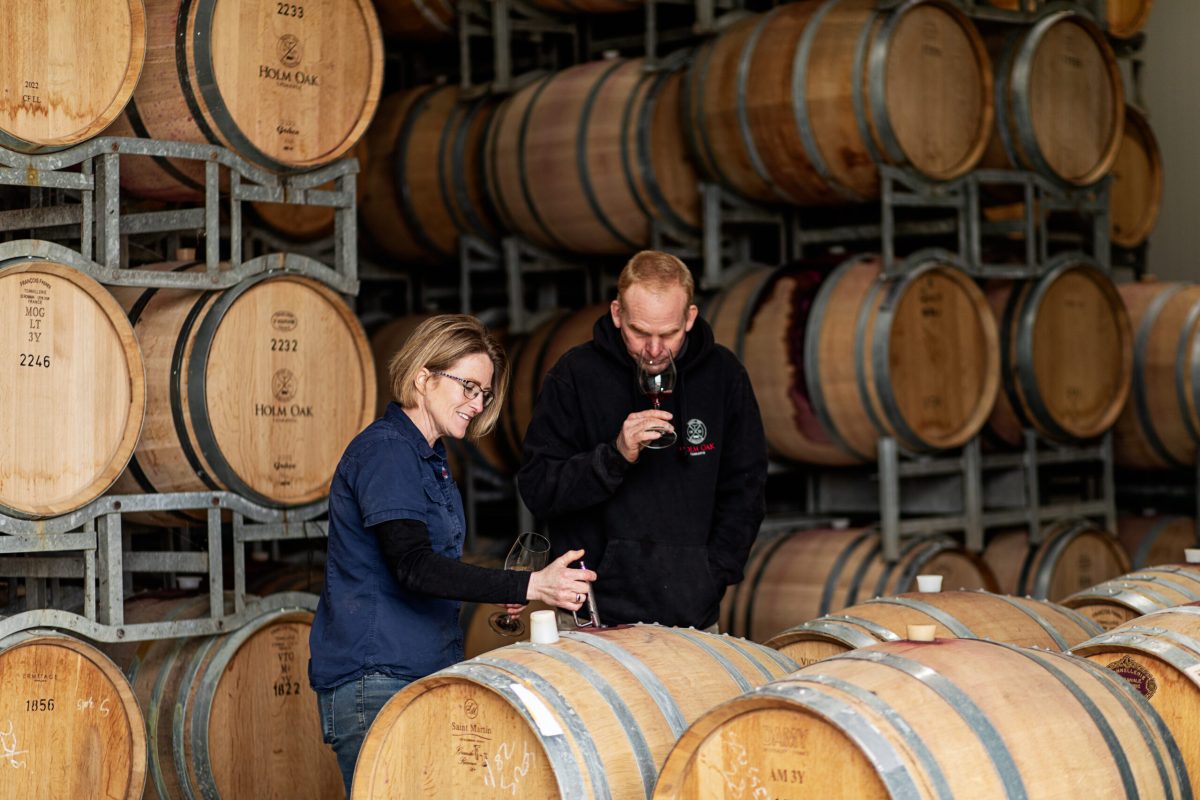

Someone says they dislike oaky wine. A moment later, they describe a favourite red that smells like vanilla and baking spice. This is not necessarily a contradiction. Wine language often bundles several different sensations into one convenient word, and “oaky” does a remarkable amount of unpaid overtime.
Understanding what oak contributes can help you choose bottles more confidently. It can also prevent one unfortunate encounter with a heavily styled Chardonnay from becoming a lifelong grudge against an entire grape variety.
The aim is not to decide whether oak is good or bad. It is to work out which flavours you enjoy, how much of them you want and what other characteristics you would like in the glass. Those are far more useful shopping instructions than declaring yourself permanently for or against a tree.
Oak has a recognizable flavour vocabulary
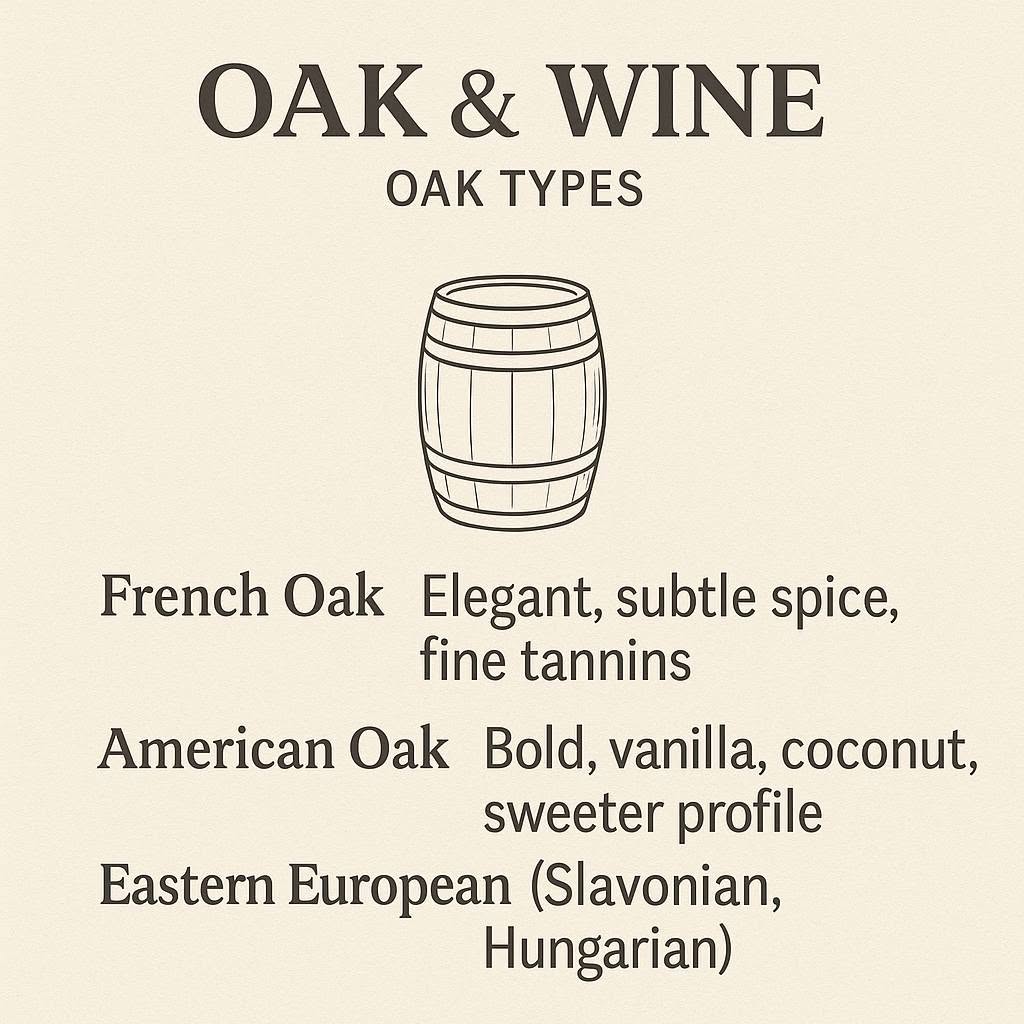
Oak can contribute aromas associated with vanilla, clove, cinnamon, toast and smoke. The way a barrel is made and toasted helps shape those characteristics, and the wine’s time in contact with the wood matters. These flavours sit alongside those from the grapes and other parts of winemaking.
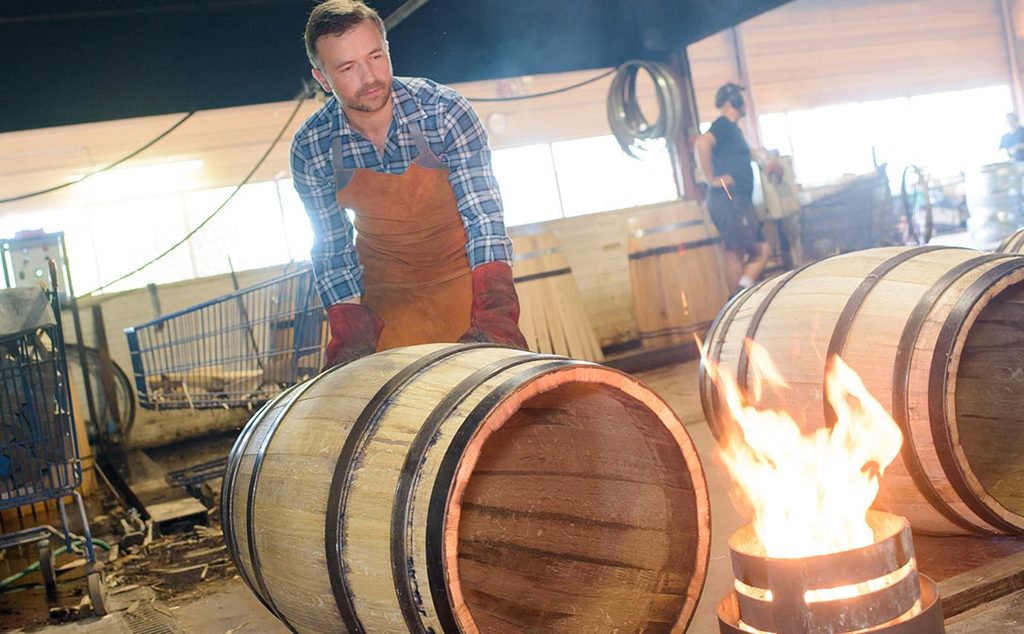
Think about whether you enjoy that combination. A little baking spice beside the fruit may appeal to you. A wine in which toasted flavours dominate everything else may not. Describing that difference tells a wine-shop employee much more than “I hate oak,” especially if you still enjoy certain barrel-aged reds.
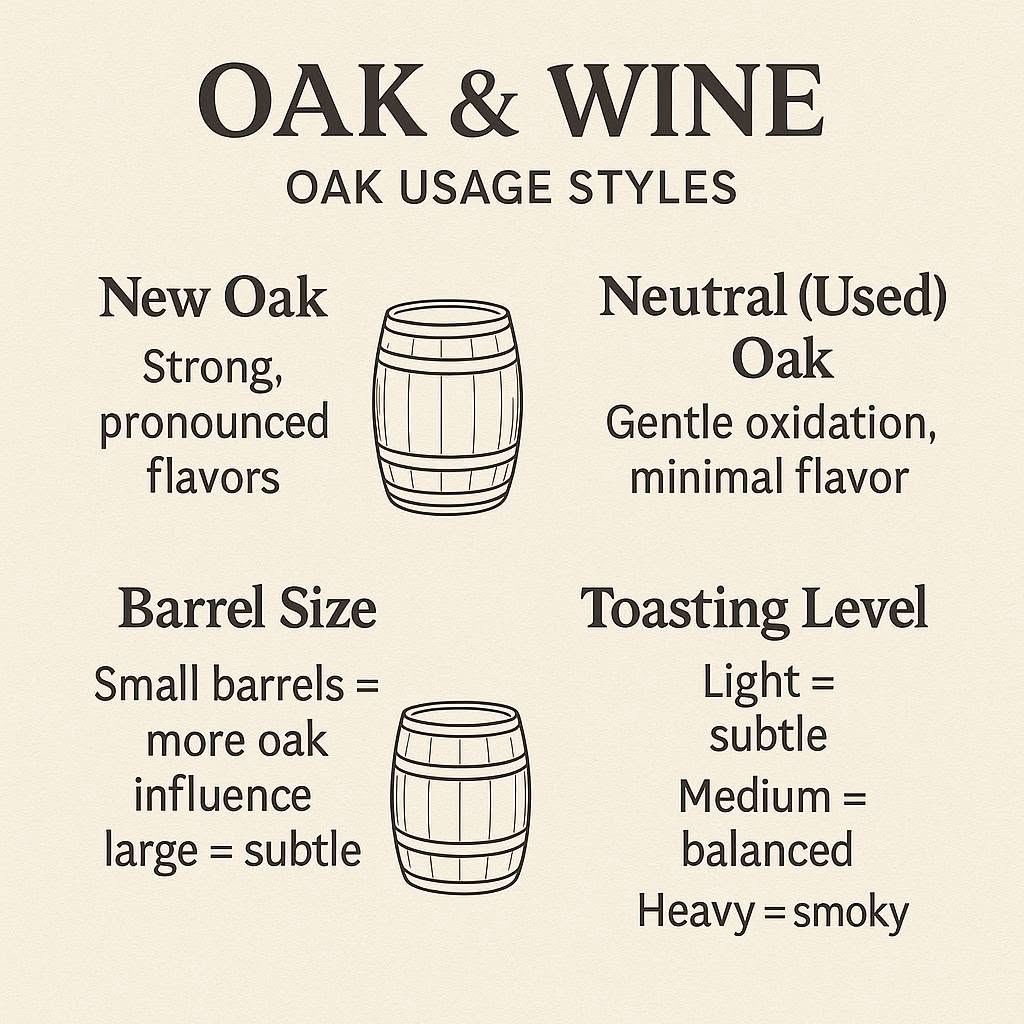
Barrels are also reused. Their role and the flavours they contribute change over their working life; a reference to barrel ageing alone does not tell you exactly how forceful the result will taste. The Australian Wine Research Institute notes that barrels can continue serving as storage vessels beyond their most useful flavour-contributing years.
Butter is a different clue
Buttery aromas are often associated with a process called malolactic fermentation, or malolactic conversion. In it, bacteria convert malic acid into lactic acid. This generally reduces acidity, while other bacterial activity can produce diacetyl, a compound associated with buttery aromas. The intensity depends on production choices and conditions.
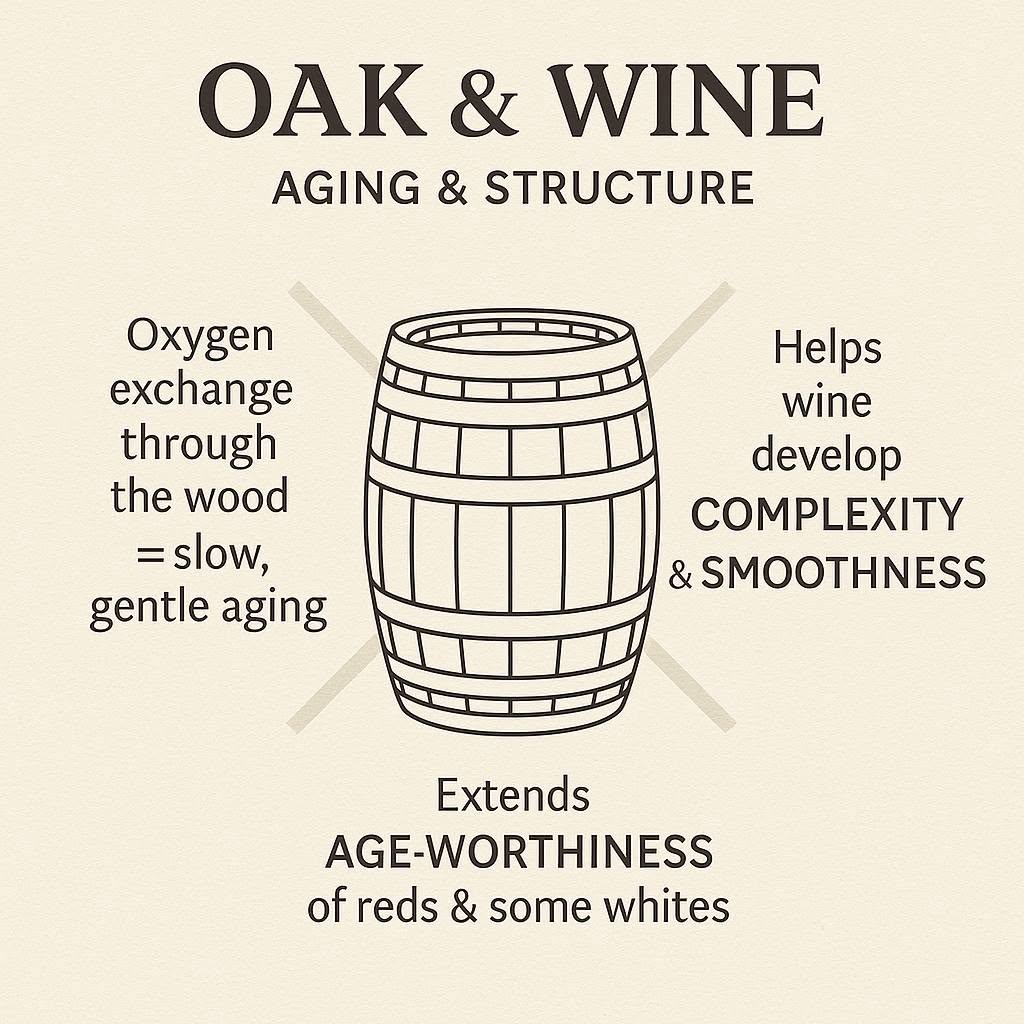
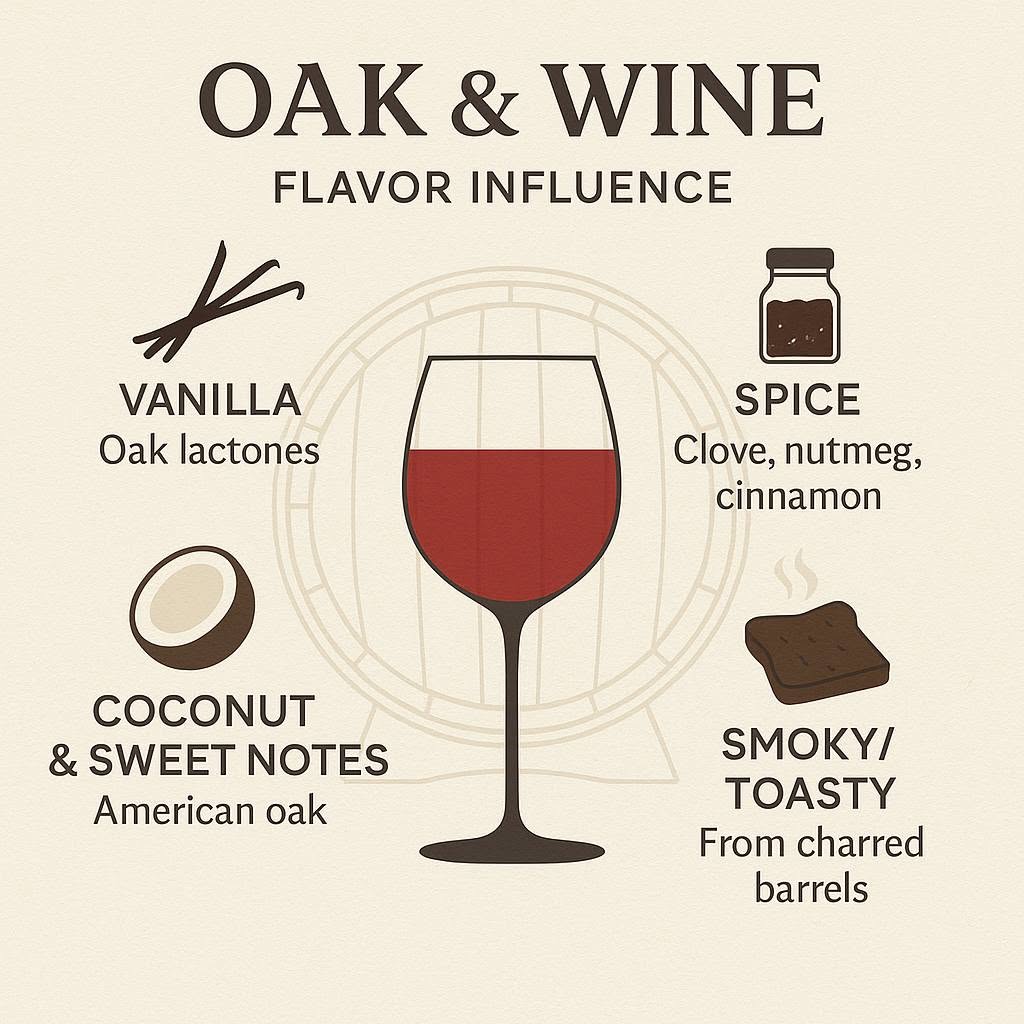
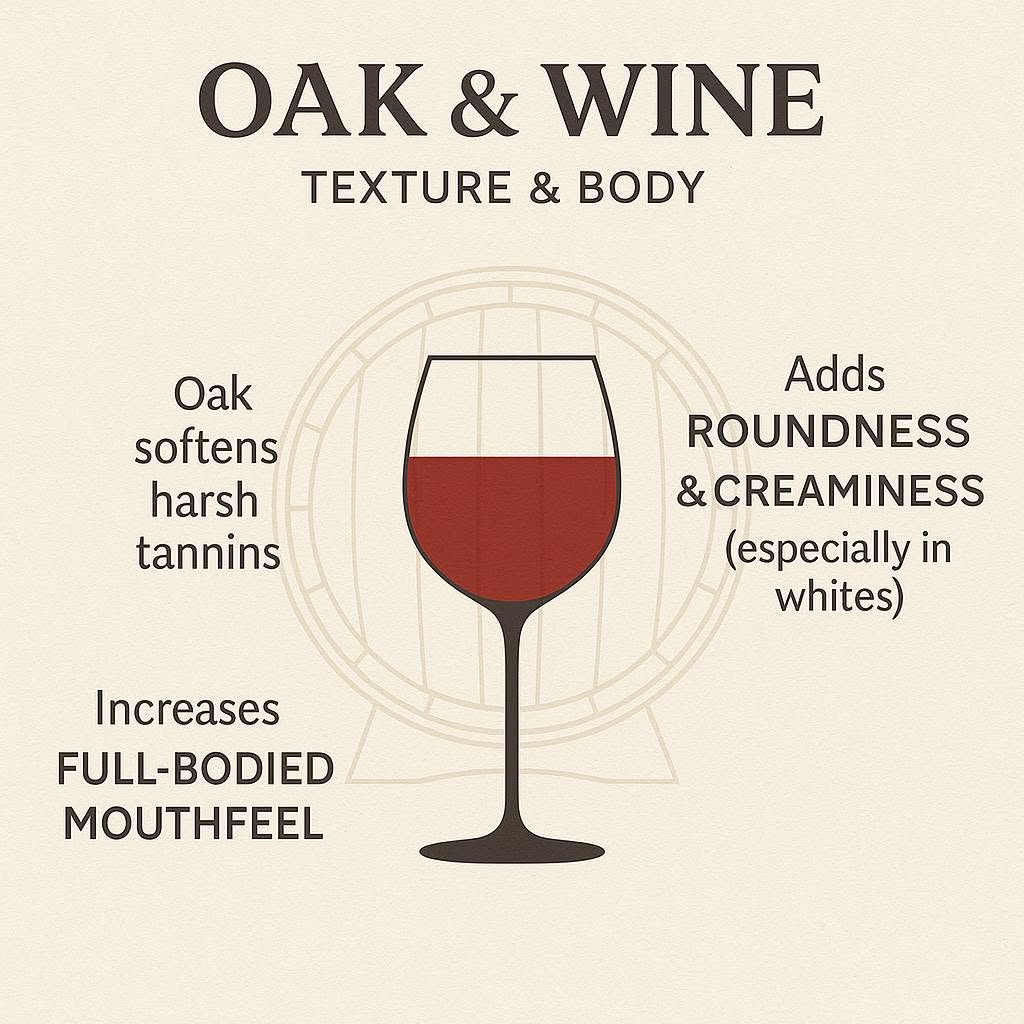
Oak and malolactic conversion may both feature in the making of a wine, which helps explain why people associate them. They are still different things. A buttery impression is not proof that a wine was aged in a new oak barrel, and an oak-aged wine does not have to remind you of melted butter.
This distinction is especially helpful with Chardonnay. If what you dislike is a very buttery, broad style, say so. You may still enjoy a Chardonnay with restrained oak and a fresher overall impression. Conversely, someone who loves a generous, creamy style should not feel obliged to apologize for it. Taste is not an entrance exam.
Describe the balance you want
Try a sentence such as, “I like some vanilla and toast, but I still want the wine to feel fresh,” or, “I prefer fruit-forward wines with little obvious wood flavour.” These descriptions give the person helping you several useful clues. A bottle photo can help as well, particularly when you remember liking the wine but not the words on its label.
For a simple comparison, ask a local wine shop for two contrasting examples within a comfortable budget. Keep the grape the same if possible and ask what is known about each producer’s approach. This will not isolate oak scientifically, but it can help you recognize the styles you prefer.
Taste small amounts, notice the aromas and pay attention to the whole wine rather than hunting for one “correct” answer. Oak is one part of the story. Once you can explain how you like it to fit with fruit, freshness and texture, choosing wine becomes a more useful conversation and a much less mysterious purchase.