
Oak in wine can sound like a simple yes-or-no question. A friend says they dislike oaky whites. A restaurant describes a red as barrel-aged. A label mentions French oak in lettering large enough to suggest it should settle the matter. Yet none of those details tells you exactly how the wine will taste.
As Edmonton dinners move toward roasted vegetables, baked dishes and slower evenings at home, richer wine styles may draw your attention. Learning a little about oak can help you describe what you enjoy and avoid assuming that one unpleasant bottle represents an entire grape.
You do not need to become a barrel expert. The useful goal is understanding which sensations you are reacting to, then asking clearer questions. Oak is part of a wine’s style, and style is something you can explore according to your preferences.
Begin with what oak can contribute
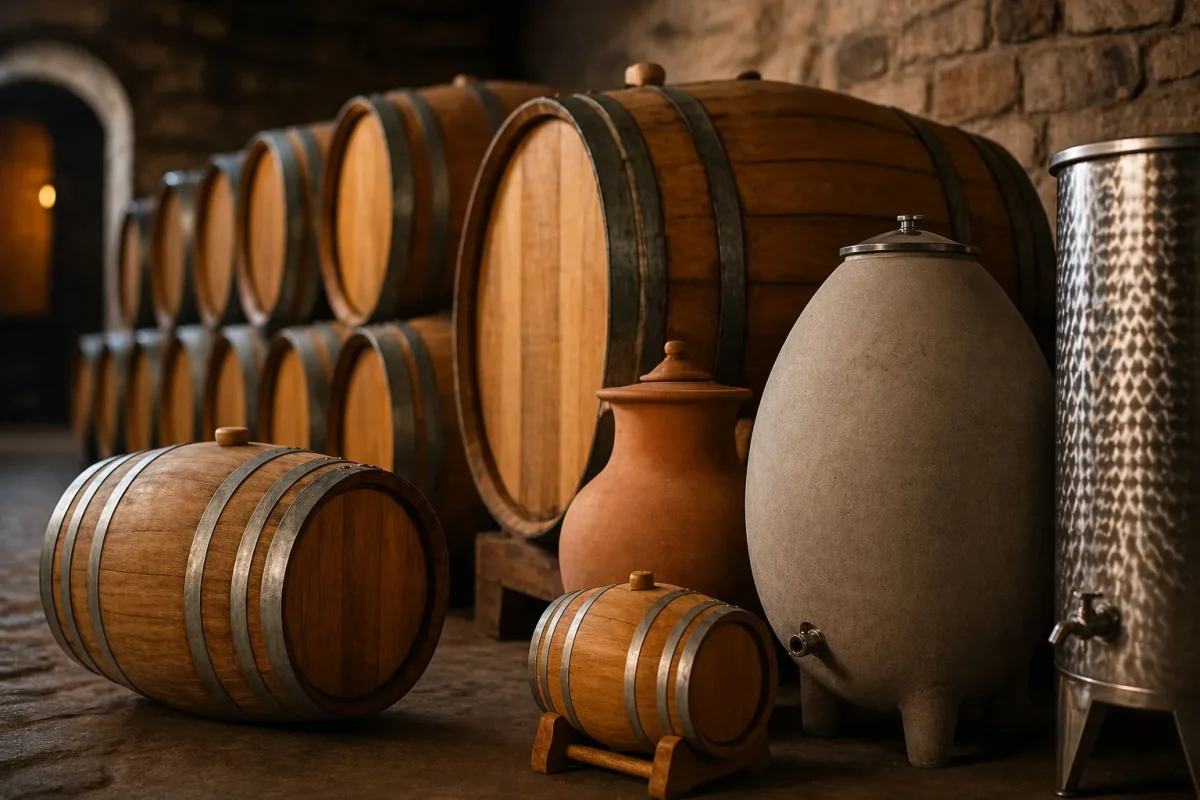
WSET’s explanation of oak in winemaking describes how toasted barrel wood can contribute aromas and flavours such as vanilla, baking spice and smoke. It also makes an important point: oak does not automatically improve a wine. It changes the style.
That distinction is helpful when shopping. A prominent oak note might be exactly what one person likes and the feature another wants to avoid. Neither response requires an argument about who has the more sophisticated palate. You are noticing a characteristic and deciding whether it suits you.
If you enjoy a wine described as toasty or spicy, ask whether oak plays a role. If you dislike a strong vanilla impression, mention that specifically. A precise observation gives a retailer more information than declaring that all barrel-aged wines are too much.
Describe the experience before naming the cause
Imagine tasting a white wine that feels rich and smells like ripe fruit. You might immediately call it oaky, but several aspects of wine can influence that impression. Start by describing what you actually notice: sweetness, weight, a buttery aroma, toast or a particular fruit note.
The WSET Systematic Approach to Tasting separates different characteristics rather than treating them as one general impression. For a casual drinker, this can mean asking whether the feature you dislike is sweetness, texture or a specific aroma.
This matters because a vague dislike can lead to an unnecessarily narrow shopping list. You may enjoy another Chardonnay that feels fresher or more restrained. You may like a red with subtle spice while disliking one with a stronger wood impression. Your preference can be more detailed than the word oaky suggests.
Ask about the particular bottle
Barrel-aged is a useful piece of information, but it is not a complete tasting note. Ask the person recommending the bottle how noticeable the oak is in the finished wine. Does it sit in the background, or is it one of the first things you will notice?
You can also ask what other characteristics stand out. A wine with ripe fruit and a little spice may feel different from one with prominent toast and a heavier texture. The combination matters more to your enjoyment than any one production detail printed on the label.
If a technical sheet is available, use it as context. You do not need to memorise every barrel specification. Focus on the explanation of the finished style and whether it fits what you want for the evening. The most useful answer connects the cellar information to your glass.
Make a focused comparison
One way to explore your preference is to choose two examples of the same grape with different stated styles. You can taste them over separate meals, keeping notes, or compare small pours with other adults who wish to participate. Buying several bottles at once is unnecessary.
Keep the rest of the setting fairly similar. Use clean glasses and avoid making one wine a completely different temperature from the other. Taste each before adding food so you have an initial impression. Then see how the meal changes your enjoyment.
Write down a few plain-language notes. You might prefer one because it seems fresher, or the other because the richer style feels more satisfying with dinner. Either is useful information. You are finding your own pattern rather than trying to produce the tasting note that sounds most professional.
Connect the style to the occasion
Think about what you want the wine to do at the table. A quiet meal with a creamy or roasted dish may invite a different style from a light lunch. These are starting points for exploration, not fixed pairing laws. Your own reaction remains the final test.
Tell a retailer about the meal and your preferences together. For example, you might want a white with some texture but little obvious vanilla, or a red with a gentle spice note that does not feel especially heavy. Those descriptions leave room for a helpful recommendation.
If you are ordering at a restaurant, ask whether the wine is available by the glass. A smaller commitment can be useful when you are trying a style you do not know. The staff’s description can guide you, but you do not need to order something merely because it has been presented as impressive.
Do not make price the style guide
A higher price does not tell you whether you will like the oak character. You may enjoy an affordable bottle and find a more expensive one too intense. Set your spending range first, then ask for the style within that range.
The WSET guide to finding a wine you like encourages using wine characteristics and familiar preferences to make choices. You can apply that by taking a photograph of a bottle you enjoyed and explaining what appealed to you.
That record also helps when a bottle is unavailable. Instead of searching only for the same producer, you can ask for a similar experience. A useful substitute respects the flavours and feel you liked, rather than matching one label term while ignoring everything else.
Leave room for your taste to change
You may prefer fresher wines in some settings and richer ones in others. Your taste can also develop as you try different examples. There is no need to turn a current preference into a permanent rule that limits every future purchase.
If you decide that noticeable oak rarely appeals to you, that is useful too. Ask for wines with little obvious oak influence and enjoy them. A wine education should make choices easier, not persuade you to spend money on a style you repeatedly dislike.
For your next fall dinner, choose one clear question to ask: how noticeable is the oak, and what does it contribute? The answer may help you understand a favourite bottle or avoid a familiar disappointment. Either way, you have made the wine aisle a little less mysterious.