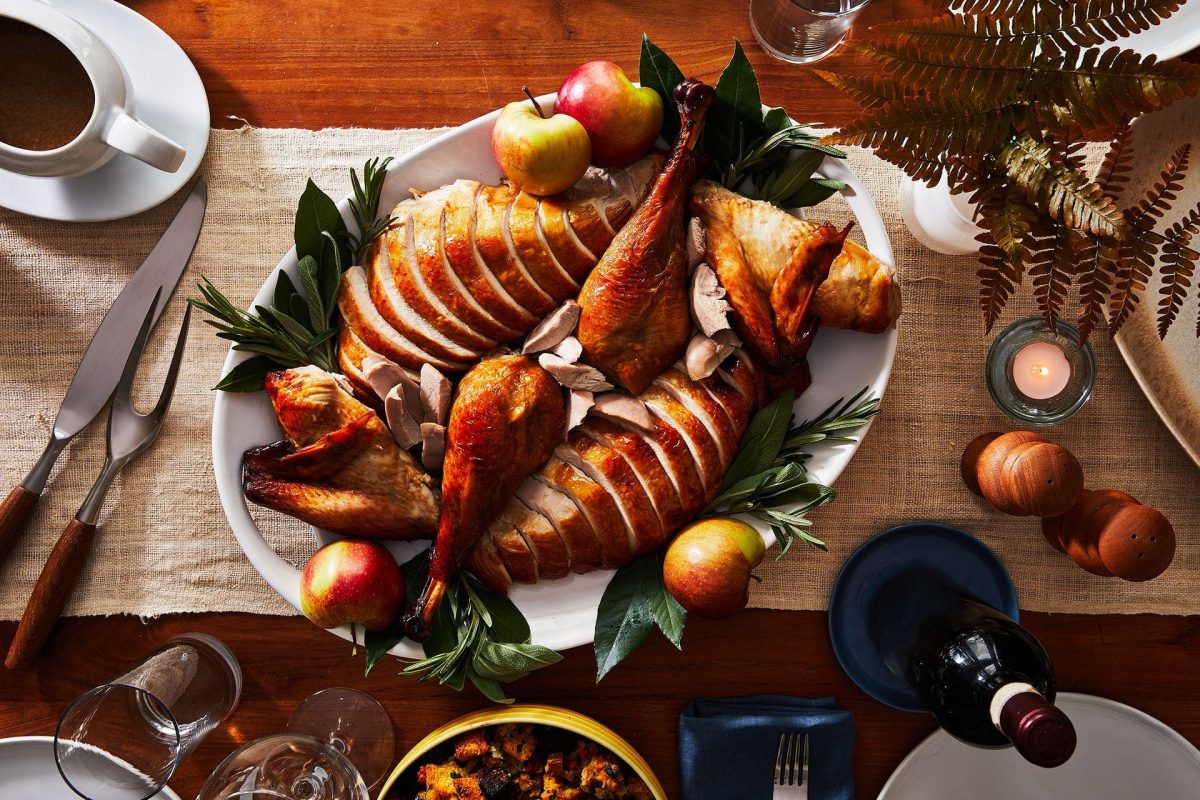

Thanksgiving wine pairings get complicated when we imagine that every dish needs its own bottle. Turkey arrives with gravy, stuffing, vegetables, potatoes and something sweet from a family recipe. A single forkful can contain three different flavours. Trying to create a flawless match for each component is a quick way to turn dinner into homework.
For an Edmonton Thanksgiving gathering, a more useful goal is choosing a couple of wines that guests enjoy and that offer flexibility across the meal. You can make thoughtful decisions without becoming the person who interrupts the conversation to explain why someone has paired the wrong potato with the wrong glass.
Start with the menu, the preferences around your table and a budget you feel comfortable spending. The wine should support the evening. It should not compete with the food, the company or the person trying to locate enough chairs.
Think about the whole plate
Plain turkey is only part of the picture. Rich gravy, savoury stuffing and sweet cranberry sauce change what the meal tastes like. Notice which flavours dominate your own version of dinner. A table built around herb-roasted poultry will suggest different possibilities from one centred on glazed ham or a strongly spiced vegetarian dish.
The Wine & Spirit Education Trust’s Thanksgiving pairing guide recommends versatility across the plate. Its suggestions include sparkling wine and dry or off-dry Riesling, whose refreshing acidity can suit a rich meal. Although the guide discusses American Thanksgiving, the pairing problem is familiar at many Canadian tables.
Use that as a starting point, rather than a fixed menu. Write down your main dish and two prominent sides before shopping. That short description gives a wine retailer something useful to work with. Mention whether the cranberry sauce or glaze is especially sweet, and whether guests prefer crisp whites or fuller reds.
Choose a white wine that people will want to drink
If your guests enjoy fresh, lively whites, ask for a wine in that style that can handle dinner. Dry Riesling is one possibility. A slightly sweeter example may appeal to some guests, but sweetness should be discussed clearly rather than assumed from the grape name.
For people who enjoy a different white grape, start there. You might explore a Chenin Blanc or a Chardonnay after explaining the menu and your preference. The exact producer and style matter, so ask about the bottle rather than relying on a broad category to make the decision for you.
You do not have to persuade everyone to enjoy your favourite wine. If half the table consistently prefers a familiar crisp white, serving one is good hosting. Include an interesting alternative if you want, while keeping enough flexibility for guests to choose what they like.
Give red wine a manageable role
Red wine fans do not need to be left out of a turkey dinner. Describe the wine you want in terms of feel: fresh, moderate in weight and comfortable to sip alongside several dishes. Pinot Noir or Gamay may be useful styles to discuss with a retailer, depending on the particular bottle.
Avoid buying the biggest red available simply because it is a holiday. A powerful wine may be enjoyable on its own while dominating a delicate part of the meal. If your family loves that style, however, there is no need to ban it. Keep it as an option and allow people to make their own choices.
Consider opening one white and one red instead of creating a procession of pairings. Guests can stay with the one they prefer. The arrangement is easier to manage, and fewer bottles need to be opened just to demonstrate that you have considered every flavour on the table.
Sparkling wine can stay for dinner
Many hosts think of sparkling wine as an arrival drink that disappears before the food. You can also consider keeping it available with the meal. Ask for a style that fits your budget and preferences, whether that means a traditional-method sparkling wine or another option your retailer recommends.
You do not need to buy Champagne to make the table feel festive. Nor do you need a separate glass shape for every stage of the evening. Clean wine glasses and manageable pours are enough for a relaxed gathering.
Think about whether a welcome drink is necessary at all. If guests arrive close to dinner, going directly to the table may make more sense. The best sequence is the one that fits your household, rather than one borrowed from a formal restaurant service.
Let dessert be its own decision
A dry dinner wine may taste quite different alongside a sweet dessert. WSET’s guide to winter food and wine matching explains that sweet food can make a wine seem less sweet, making a wine with sufficient sweetness a useful starting point for dessert pairing.
If you want to serve wine with pumpkin pie, ask specifically for a dessert pairing and describe the toppings. A small shared bottle may suit the occasion better than another full-sized bottle opened without a plan. You can also leave wine out of dessert entirely and serve coffee or tea.
Guests are allowed to be finished drinking. Offering a different beverage without commentary is part of making the table comfortable. An enjoyable pairing is an optional addition to dinner, rather than the final course everyone must complete.
Shop for the gathering you are having
Set a total budget before entering the store. Explain how many adults are attending, which guests drink wine and whether other drinks will be offered. Ask about a couple of styles within your range rather than treating the most expensive recommendation as the most appropriate one.
If you are visiting someone else’s home, ask what would be helpful. A bottle chosen for the host to enjoy later may be more welcome than one presented with an instruction that it must be opened immediately. Bringing wine should not create an additional hosting task.
Make non-alcoholic drinks easy to find and appealing to serve. A sparkling water with citrus, a favourite alcohol-free drink or a well-made tea can belong at the same table without explanation. Canada’s Guidance on Alcohol and Health makes clear that drinking less lowers health risk; wine is an enjoyment choice, not a wellness requirement.
Choose your bottles, prepare the glasses and then return your attention to the meal. Thanksgiving does not depend on an expert-approved sip. A thoughtful selection, generous options and a comfortable atmosphere will do far more for the evening than a perfect pairing nobody remembers.