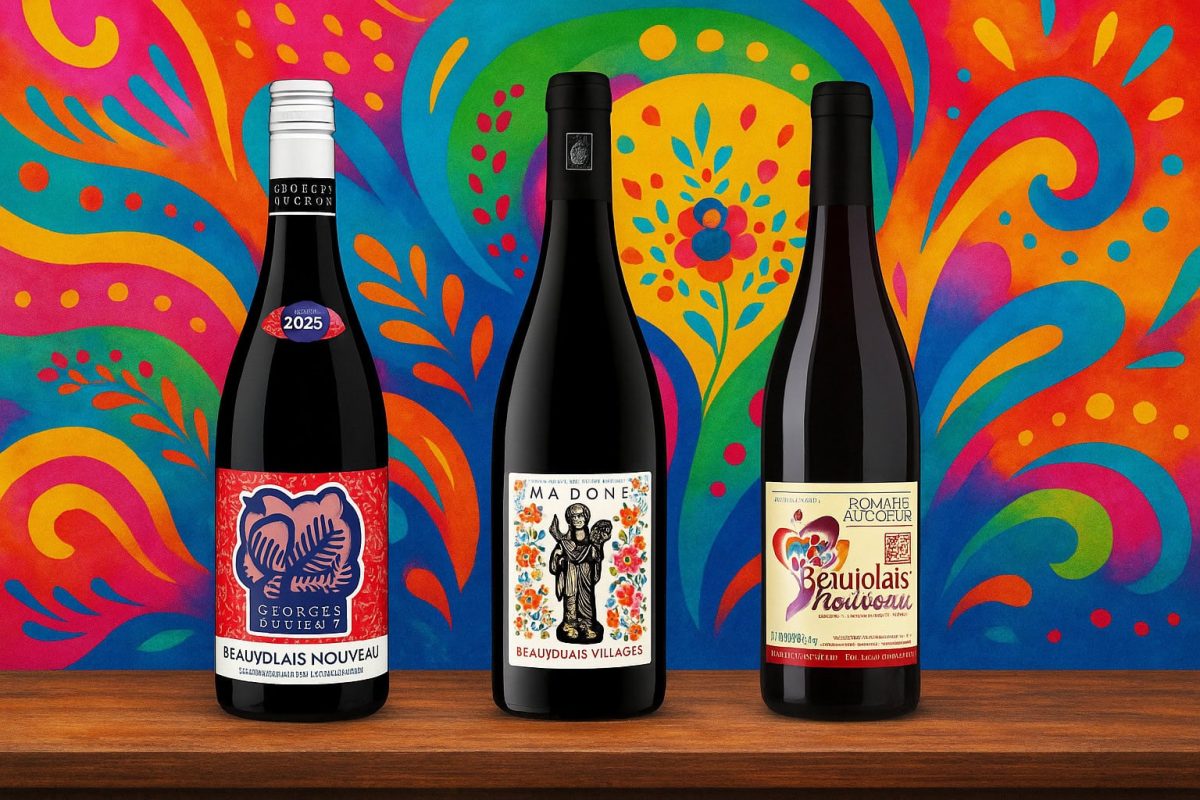

Every November, a familiar French wine tradition arrives with considerable enthusiasm: Beaujolais Nouveau. In 2026, the official release fell on Thursday, November 19. Bars, retailers and wine fans around the world marked the arrival of young wine made from the season’s Gamay harvest. For some, it is a playful annual ritual. For others, the name conjures memories of simple, fruity bottles and a marketing campaign that seemed bigger than the wine itself. Both reactions miss something important. Beaujolais is much more than Nouveau, and one of the most compelling regions to explore if you enjoy lively, food-friendly reds.
Start with the grape: Gamay
Gamay is the signature red grape of Beaujolais, a wine region north of Lyon and south of Burgundy’s famous Côte d’Or. It often produces wines with vivid red-fruit aromas, bright acidity and, depending on vineyard and winemaking, relatively approachable tannins. Think cherries, raspberries, strawberries, flowers and occasional spicy or earthy notes. Those are possibilities, not a mandatory checklist for every bottle. Gamay has a reputation for uncomplicated pleasure, which is not an insult. But the same grape can also make complex, structured wines capable of developing with bottle age. The difference between a youthful party wine and a serious cru bottle is a lovely reminder that grape variety alone never tells the whole story.
What makes Nouveau different?
Beaujolais Nouveau is released only weeks after harvest, intended to celebrate the new vintage while the wines are exuberantly young. It is made within the Beaujolais and Beaujolais-Villages appellations, rather than the region’s ten crus. Winemaking often emphasizes fresh, immediate fruit. The traditional regional approach may include whole bunches and semi-carbonic fermentation techniques, in which fermentation conditions and intact berries influence aroma and extraction. These wines tend to be light, juicy and ready to drink soon after release. Some drinkers notice candied fruit or other distinctive fermentation-derived aromas, though they are not universal. The idea is freshness and celebration, not decades in the cellar.
The ten crus reveal another side
Move north through the Beaujolais vineyards and you encounter ten named cru appellations: Brouilly, Côte de Brouilly, Régnié, Morgon, Chiroubles, Fleurie, Moulin-à-Vent, Chénas, Juliénas and Saint-Amour. These are not a ranking from best to worst. They are geographic identities with different sites, soils, exposures and traditions. Cru Beaujolais is red wine made from Gamay, and producers may use different lengths of maceration, extraction and ageing to express their vineyards. A bottle labelled Morgon or Fleurie therefore tells you something much more specific than the word Beaujolais alone. The official regional wine organization publishes useful appellation guides for exploring these distinctions.
Fleurie, Morgon and Moulin-à-Vent: three useful starting points
Fleurie is often described as floral, fragrant and elegant, making it attractive to Pinot Noir drinkers looking for something related in spirit but distinct in personality. Morgon frequently shows more depth and structure, and certain bottles can develop intriguing savoury complexity with age. Moulin-à-Vent is another cru associated with structure and ageing potential. None of these styles is guaranteed by the name on the label; producer, site and vintage matter. Still, comparing these three is an excellent introduction to the idea that Gamay has serious range. You might find one cru more perfumed, another firmer and a third especially compelling with food.
Does carbonic maceration mean cheap wine?
No. This is where wine discussions can become unnecessarily dismissive. Carbonic or semi-carbonic techniques are tools, not quality grades. The proportion of whole bunches, the length of maceration, fermentation temperature and subsequent ageing all affect the result. Shorter extraction can support a fresh, fruit-driven style; longer maceration and other choices may build additional tannin and depth. Some respected cru producers use whole-bunch techniques, while others destem or combine methods. It would be as silly to reject an entire region because of one production method as to dismiss all Chardonnay because somebody once served an overly oaked bottle in 1998.
Why these wines work at the table
Beaujolais can be extraordinarily useful with food. Nouveau suits charcuterie, roast chicken, simple sausages and casual appetizers. A fragrant Fleurie can complement mushroom dishes, poultry and lighter roasted meats. More structured Morgon or Moulin-à-Vent may work beautifully with braised dishes or earthy flavours. Serve the lighter examples with a modest chill, but avoid making every bottle refrigerator-cold. Too much cold can suppress aroma and make tannins feel more severe. Our earlier YEG Thrive article on chilled red wine explains why Gamay can be so refreshing when served a little cooler than a heated living room.
A two-bottle tasting anyone can host
Invite a few friends, open a bottle of Beaujolais Nouveau if you can still find one and compare it with a cru such as Fleurie or Morgon. Use similar glasses, pour modest amounts and taste before and during a simple meal. Ask approachable questions: Which smells more floral? Which feels firmer or fresher? Which improves most with food? Hide the labels for the first round if you want to keep expectations from leading the conversation. There is no need for a formal scoring system. A good tasting makes people curious, not anxious about saying the wrong thing. Provide water, snacks and an appealing alcohol-free option, too.
Buying Beaujolais in Edmonton
Start with an independent wine merchant and ask what cru bottlings are currently available. Inventory and prices can change, so avoid relying on a static list. Ask about the producer’s style, whether a bottle is intended for early drinking or cellaring and what food you plan to serve. A Cru Beaujolais may cost more than a simple Nouveau, but it can offer distinctive quality and a compelling alternative to more famous French red-wine regions. Buy according to taste and occasion rather than assuming an appellation or price guarantees pleasure.
A region worth revisiting all year
The best thing about Beaujolais Nouveau might be that it reminds us to pay attention to Beaujolais at all. The third Thursday of November is fun, but it is only the opening chapter of a much broader wine story. Whether you enjoy a bright, simple young Gamay or a complex bottle of Morgon, the region rewards curiosity without demanding reverence. For a casual dinner party, that is exactly the kind of wine education worth sharing: a little history, a few useful distinctions and a bottle that tastes good with the people around your table.
Frequently asked questions
Is Beaujolais Nouveau the same as Cru Beaujolais? No. Nouveau is an early-release style from Beaujolais or Beaujolais-Villages; the ten crus are distinct appellations with different production and stylistic possibilities.
What grape is used? Gamay for the red wines discussed here.
Can Cru Beaujolais age? Some examples can, particularly structured bottlings from certain producers and vintages.
Should Beaujolais be chilled? A slight chill often suits lighter bottles; adjust to style and personal preference.