
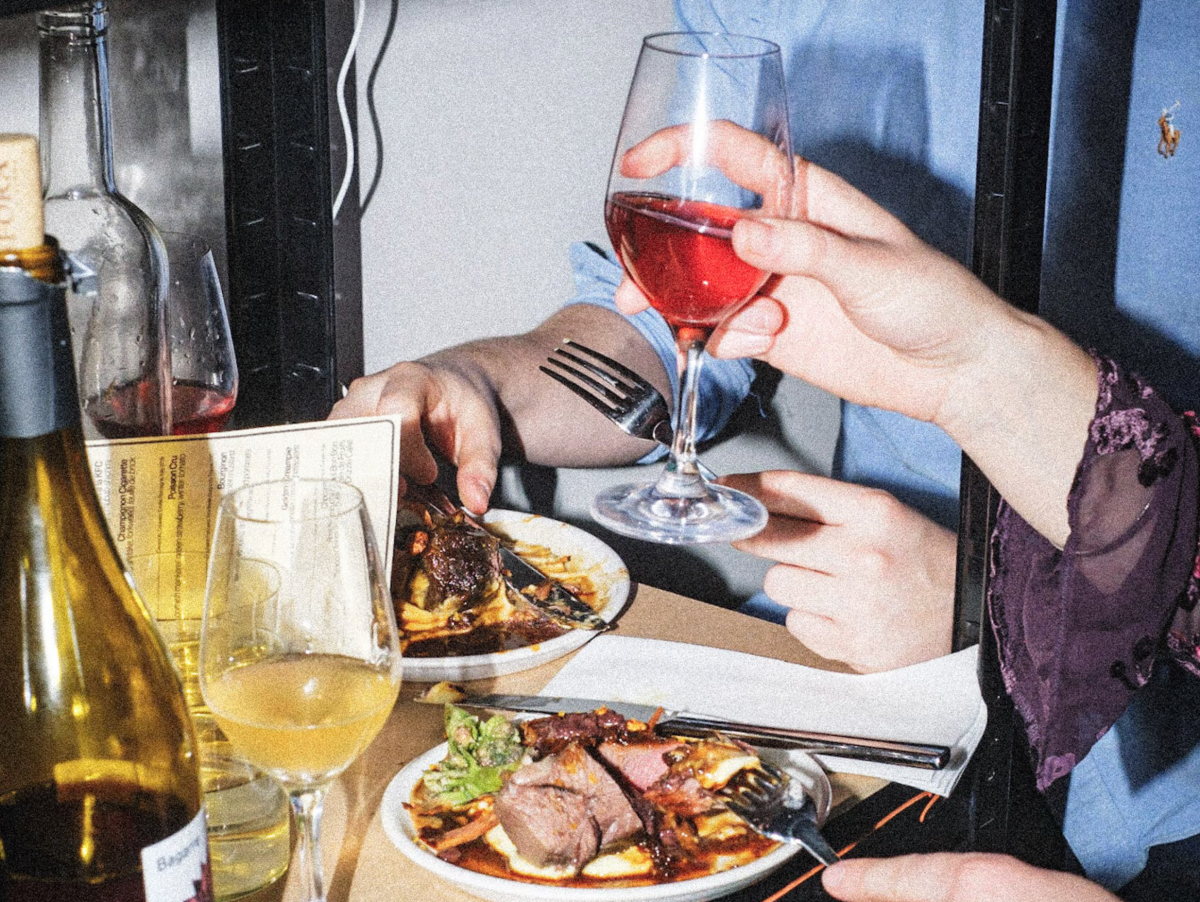

For generations, one of the first wine rules most of us learned was incredibly simple: white wine goes in the fridge and red wine stays out.
Then somebody apparently decided rules weren’t much fun.
Walk into a modern wine bar or scroll through summer wine recommendations and you’ll increasingly encounter something that would have confused plenty of wine drinkers a decade ago: bottles of red wine coming straight out of the fridge or sitting comfortably in an ice bucket.
Welcome to the era of chilled red wine.
What once might have earned you a disapproving glance from a wine traditionalist has become one of the most interesting shifts in how people drink wine. Restaurants are creating dedicated sections of their lists for chillable reds, winemakers are producing lighter styles specifically suited to cooler serving temperatures, and younger wine drinkers in particular seem increasingly willing to ignore old rules and simply drink wine the way they enjoy it.
I’m very much here for it.
Wine already has enough unnecessary rules. And as it turns out, putting certain red wines in the fridge isn’t wine sacrilege at all. In many cases, a slight chill can make them taste even better.
So why has chilled red wine suddenly become everywhere—and which bottles should you actually be putting in the fridge this summer?
First, We’ve Been Serving Red Wine Too Warm
Let’s clear up one of wine’s longest-running misunderstandings.
Red wine should be served at “room temperature.”
We’ve all heard it. The problem is that the advice dates back to a time when room temperature was considerably cooler than many modern homes.
If your house is sitting around 21°C or warmer on an Edmonton summer afternoon, that’s not necessarily an ideal temperature for your Cabernet Sauvignon, let alone a delicate Gamay.
Serving red wine too warm can make the alcohol seem more prominent while the wine’s fruit, acidity and structure lose definition. Instead of tasting fresh and balanced, it can begin to feel heavy and slightly soupy.
Even bigger reds generally benefit from being served cooler than many people realize.
For lighter reds, dropping the temperature further can completely change the experience. Acidity becomes more refreshing, fruit tastes brighter and the entire wine can feel more energetic.
The idea isn’t to make every red wine ice cold. It’s about finding the temperature where that particular wine tastes its best.
Why Chilled Red Wine Is Having a Moment
Temperature alone doesn’t explain why chilled reds seem to be everywhere right now. The trend also reflects a broader change in what people want from wine.
For years, powerful reds dominated the conversation. Big Cabernet Sauvignon, heavily extracted Shiraz and richly oaked styles earned high scores and loyal followings.
Those wines haven’t disappeared, nor should they. There are evenings when a big Barossa Shiraz or structured Bordeaux is exactly what you want.
But another style of wine has been gaining momentum: lighter, fresher, fruit-forward reds with bright acidity and less obvious oak.
These wines are often described with words like juicy, crunchy, fresh and gluggable. They’re approachable without being boring and serious without demanding that you sit in a leather chair contemplating them for three hours.
They also happen to taste fantastic slightly chilled.
The natural wine movement helped accelerate interest in these lighter styles, but the appeal has spread far beyond natural wine bars. Chillable reds are now increasingly common on restaurant lists and wine shop shelves because they fit the way many people want to drink today: casually, socially and with food.
They’re essentially the patio wine for people who don’t always want rosé.
What Makes a Red Wine “Chillable”?
Unfortunately, you can’t simply grab any bottle of red wine, throw it beside the beer in the fridge and expect magic.
The best chilled red wines tend to share several characteristics.
Look for wines with:
- Light to medium body
- Bright acidity
- Low to moderate tannins
- Fresh red-fruit flavours
- Little or no obvious oak
- Moderate alcohol
The key relationship is between acidity and tannin.
Acidity becomes wonderfully refreshing when wine is chilled. Tannin can move in the opposite direction. Lower temperatures can make tannins feel firmer and more drying, which is why heavily tannic wines usually aren’t the best candidates for serious chilling.
Imagine biting into a juicy raspberry straight from the refrigerator. That’s roughly the effect you’re looking for: fresh, bright and refreshing rather than heavy and warming.
Start With Gamay
If you’re curious about chilled reds but don’t know where to begin, buy a bottle of Beaujolais.
Made from Gamay in France’s Beaujolais region, these wines are almost perfectly designed for this style of drinking. Gamay typically delivers bright acidity, relatively low tannins and flavours ranging from raspberry and strawberry to cherry and violet.
Basic Beaujolais and Beaujolais-Villages are excellent starting points, but don’t assume Gamay is incapable of being serious. The ten Beaujolais Crus—including Morgon, Fleurie, Moulin-à-Vent and Chiroubles—can offer considerably more complexity while retaining that characteristic freshness.
Give a youthful Beaujolais 20 to 30 minutes in the fridge and try it alongside charcuterie, burgers, grilled chicken or even slightly spicy foods.
You may quickly begin questioning why anyone told you all red wine needed to be warm.
Pinot Noir Loves a Little Chill Too
Pinot Noir is another natural candidate, although there’s an important caveat.
Not every Pinot Noir should be treated the same way.
A young, fruit-forward Pinot with minimal oak can be wonderful served cool. Chilling emphasizes the wine’s acidity and fresh cherry, cranberry and raspberry character.
A complex, mature Burgundy you’ve been saving for a special occasion? Maybe don’t bury that one underneath the ice at your backyard barbecue.
Winemaking matters as much as grape variety.
The lighter and fresher the style, the more likely it is to benefit from chilling.
Italy Has Plenty to Offer
Italy is a playground for anyone interested in discovering chilled reds.
Valpolicella Classico from Veneto can be particularly good. Made primarily from Corvina and other local grapes, traditional Valpolicella tends to be light, bright and filled with sour-cherry character.
Notice I said Valpolicella, not Amarone.
Please don’t put your expensive Amarone in the refrigerator because you read an article telling you Italian reds taste good cold. I don’t need that responsibility.
Frappato from Sicily is another fantastic option, offering delicate tannins, floral aromas and juicy red fruit. Lambrusco deserves attention too, especially if your only memory of it involves cheap sweet wine from decades ago. Quality dry Lambrusco can be fresh, savoury, lightly sparkling and brilliant with pizza, cured meats and barbecue.
Go Beyond the Familiar Grapes
One of the best things about the chilled red trend is that it’s encouraging people to explore varieties they might otherwise overlook.
Keep an eye out for:
- Cinsault — light, floral and loaded with strawberry and red-cherry flavours
- Cabernet Franc — lighter Loire Valley examples can be beautifully refreshing
- Zweigelt — an Austrian red known for juicy fruit and lively acidity
- Poulsard and Trousseau — Jura varieties capable of producing wonderfully delicate reds
- País — an increasingly interesting Chilean option
- Nerello Mascalese — particularly lighter expressions from Sicily
- Grenache — youthful, lighter styles can work extremely well with a modest chill
Don’t get overly hung up on grape variety, though. Ask your local wine shop for something light-bodied, low-tannin and good chilled and you’ll probably discover bottles you’ve never considered before.
That’s part of the fun.
How Cold Should Chilled Red Wine Actually Be?
Here’s where people sometimes go wrong.
Chilled doesn’t necessarily mean refrigerator cold.
Your fridge is probably somewhere around 4°C. Most chillable reds will show better closer to roughly 10–13°C, with somewhat fuller reds warmer still.
Fortunately, you don’t need to stand beside the bottle with a thermometer.
For a lighter red sitting at normal household temperature, put it in the fridge for approximately 20 to 30 minutes before serving. If it’s already been refrigerated, take it out for a short period before pouring.
You can also use an ice bucket for around 10 to 15 minutes if you’re in a hurry.
And remember that wine warms quickly once it’s poured. Starting slightly cooler isn’t necessarily a bad thing on a hot summer afternoon.
What Should You Eat With Chilled Reds?
This might be where chilled red wine really earns its place at the summer table.
These wines can occupy the middle ground between white and traditional red wine, making them incredibly versatile with food.
They’re particularly good with:
- Burgers and grilled sausages
- Charcuterie
- Pizza
- Grilled chicken
- Salmon and richer fish
- Tomato-based pasta
- Mediterranean dishes
- Slightly spicy foods
- Barbecue
That versatility makes them ideal for summer entertaining when you’ve got several different foods hitting the table and don’t want six bottles open simultaneously.
A chilled Gamay beside grilled burgers on an Edmonton patio makes considerably more sense than letting a 15% alcohol Cabernet bake in the afternoon sun.
Maybe the Best Part Is Breaking the Rule
What I like most about the rise of chilled red wine isn’t actually the temperature.
It’s what the trend says about wine culture.
People are becoming increasingly comfortable questioning the old rules. They’re drinking wine in ways that suit the occasion rather than worrying about whether they’re doing it “correctly.”
That’s healthy for wine.
Wine should be explored, shared and enjoyed. Learning why traditions exist can make you a more knowledgeable drinker, but understanding wine shouldn’t make you afraid of experimenting with it.
If you prefer your Pinot Noir a little cooler, drink it cooler.
If your Gamay tastes better after half an hour in the fridge, put it in the fridge.
And if somebody tells you you’re drinking your wine incorrectly, you probably don’t need to invite them to the next patio night.
The Bottom Line on Chilled Red Wine
Chilled red wine isn’t really a new invention. Wine professionals have long understood that lighter reds benefit from cooler serving temperatures. What’s changed is that the rest of us are finally embracing it.
The growing popularity of Gamay, lighter Pinot Noir, Cinsault, Frappato, Valpolicella and other fresh red styles has helped create an entirely new category of summer drinking—one that sits comfortably between rosé and traditional full-bodied reds.
So the next time Edmonton hits 28°C and you’re standing in front of the fridge wondering whether red wine makes sense for the patio, don’t automatically reach for the Sauvignon Blanc.
Grab the Gamay.
Give it 30 minutes in the fridge.
Fire up the barbecue.
Some wine rules were made to be chilled.